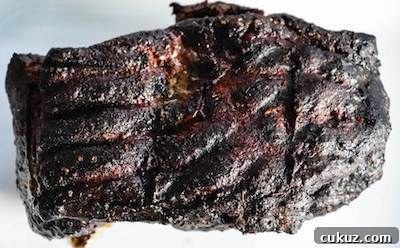
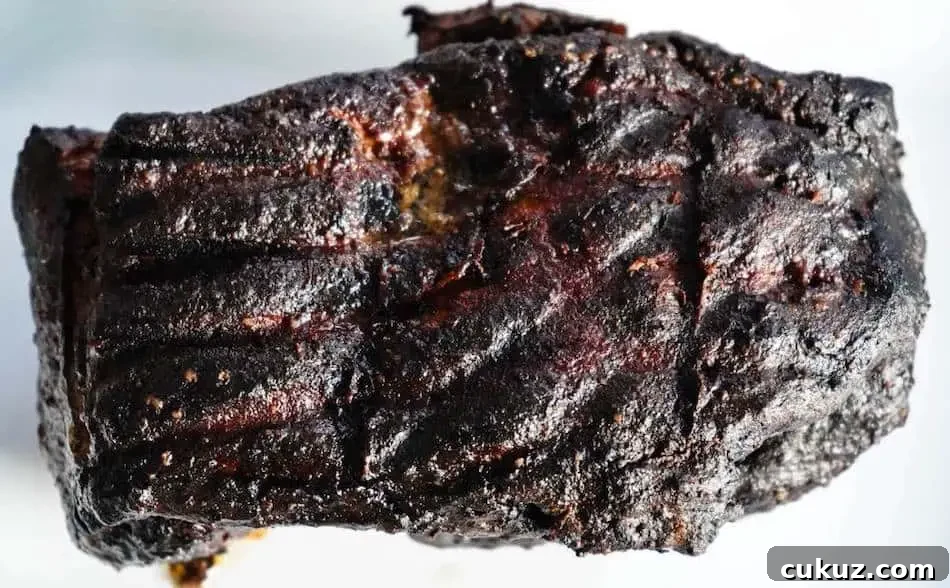
If your smoked meat ends up with an overpowering or unpleasant smoke flavor, too much smoke is usually to blame. Understanding what creates excess smoke and how to control it will help you get cleaner, more balanced results. Below are the common causes of over-smoking and practical steps to reduce it so the natural flavor of the meat can shine.
In short: Excess smoke comes from the wrong wood choice, too much wood or smoke, allowing grease to burn, or not protecting the meat during the cook. Strong woods like hickory and mesquite can overwhelm delicate proteins, while too many wood chunks or continuous exposure to smoke will intensify flavor beyond what you want. Wrapping meat and cleaning your smoker are simple, effective ways to avoid over-smoking.
1. Match the Right Wood to the Right Meat
Different meats tolerate smoke differently. Thin, delicate proteins such as fish, chicken, and other poultry absorb smoke more readily than thick cuts like brisket or pork shoulder. For delicate meats, favor milder fruit woods—apple, cherry—or use small amounts of stronger woods. Fruit woods add a gentle, pleasant smoke without overpowering.
You can combine woods for a layered flavor, but be cautious with smoking pouches or tubes: they produce a concentrated burst of smoke that can be intense or bitter if overused.
| Meat Cut | Recommended Wood |
|---|---|
| Beef | Mesquite, Oak, Hickory |
| Pork | Mesquite, Oak, Cherry, Maple |
| Poultry | Fruit Woods (Apple, Cherry), Pecan |
| Fish | Alder, Cedar, Fruit Woods (Apple, Cherry) |
| Lamb | Rosemary, Thyme, Mint, Oak |
| Game Meat | Mesquite, Oak, Cherry |
2. Mesquite Can Overpower the Meat
Mesquite delivers a bold, distinct smoke that works well for strong-flavored meats and quick, hot cooks. But because it’s so intense, mesquite should be used sparingly or blended with milder woods. A common approach is to begin with a few chunks of mesquite and then switch to a milder wood after an hour so the mesquite note is present without dominating the profile.
Keep in mind that most smoke flavor is absorbed early in the cook; once a surface crust forms, additional smoke has little impact. That’s why managing the type and amount of wood early on is important for balanced results.
| Wood Type | Flavor Strength |
|---|---|
| Mesquite | Very Strong |
| Hickory | Strong |
| Oak | Strong |
| Cherry | Mild |
| Maple | Mild |
| Pecan | Mild |
| Apple | Mild |
| Alder | Mild |
| Cedar | Mild |
| Peach | Mild |
| Walnut | Mild |
| Beech | Mild |
| Ash | Mild |
3. You Used Too Much Wood
Quantity matters. Adding too many wood chunks produces thick smoke that will over-season and sometimes bitter the meat. For most cooks, two to three chunks are enough to provide consistent smoke for two to three hours. For longer cooks, replenish sparingly. Many pitmasters use a steady, moderate amount of wood early, then wrap the meat later to prevent further smoke absorption.
Experiment with amounts and types of wood until you find the level of smoke intensity you prefer. The goal is to enhance meat flavor, not mask it.
| Cooking Time | Recommended Amount of Wood |
|---|---|
| 2-3 hours | 2-3 chunks |
| 4-5 hours | 4-5 chunks |
| 6-7 hours | 6-7 chunks |
| 8+ hours | 8+ chunks |
4. You Didn’t Wrap the Meat
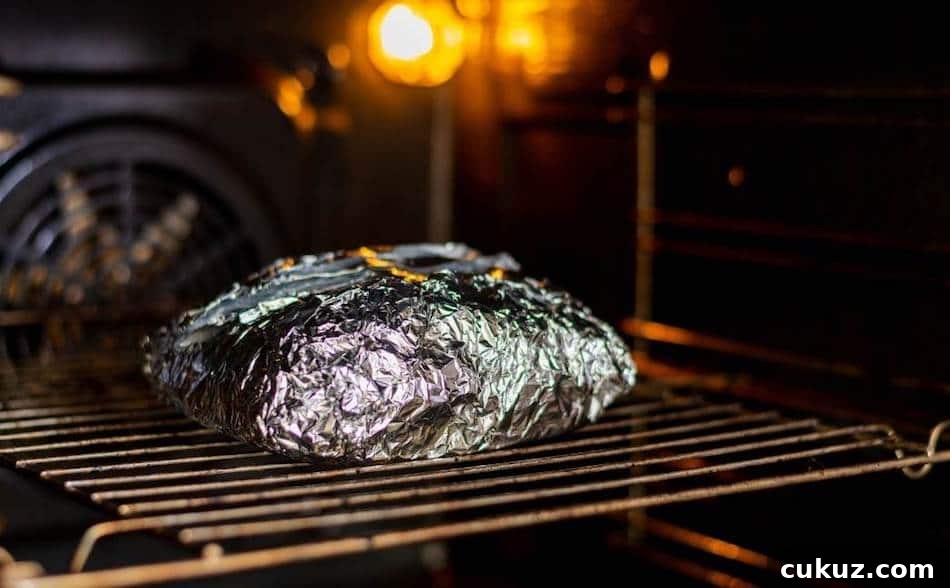
Wrapping in foil or unwaxed butcher paper during the latter half of a cook protects meat from continuous smoke exposure and helps retain moisture. This technique—often called the “Texas crutch”—also speeds cooking and prevents the meat from becoming overly smoky. Wrap once the meat has absorbed the desired smoke or when it reaches a target temperature specific to the cut.
| Meat | Recommended Wrapping Time |
|---|---|
| Ribs | After 4-6 hours of smoking |
| Brisket | When internal temperature reaches 165-170°F |
| Pork Butt | When internal temperature reaches 190-200°F |
| Turkey | When internal temperature reaches 165-170°F |
Wrapping recommendations: ribs are commonly wrapped after 4–6 hours; brisket is often wrapped around 165–170°F; pork butt is wrapped later when it hits 190–200°F; turkeys are usually wrapped once they reach a safe internal temperature but still need tenderness development.
5. You Didn’t Clean Your Smoker
A dirty smoker can produce dark, acrid smoke from built-up grease and residues, which taints meat with bitter or off flavors. Regular cleaning reduces excessive dark smoke and helps limit harmful compounds that form when residue burns. Clean grates, ash, grease traps, and smoke boxes according to your smoker type to maintain clean-burning smoke and safer cooks.
| Smoker Type | Cleaning Recommendations |
|---|---|
| Electric | Unplug, cool, remove ash/debris, wipe interiors, scrub grates, clean grease trap and wood chip tray. |
| Pellet | Cool, remove ash, wipe interiors, scrub grates, clean fire pot, clear hopper, empty grease trap. |
| Kettle Grill | Cool, remove ash, empty fire baskets, wipe interiors, scrub grates, scrape vents. |
| Drum Smoker | Cool, remove fire box ash, wipe interiors, scrub grates, clean vents and intake valve. |
| Offset Smoker | Cool, remove ash, wipe interiors, scrub grates, clear smoke box and sweep ash. |
| Kamado Egg | Cool, remove deflector plates, empty ash, wipe interiors, scrub grates, clean ash pan and vents per manufacturer instructions. |
6. You Let Grease Drip onto the Fire
Fat and grease that drip onto hot coals or wood can flare up and produce thick, acrid smoke that ruins flavor and can introduce unpleasant or unsafe compounds to the meat. Cook with indirect heat and use drip pans when possible to keep grease away from flames. Lump charcoal burns cleaner than briquettes; if using briquettes, pre-light them in a chimney to burn off initial white smoke. Keeping grease from contacting the fire helps ensure a cleaner, more desirable smoke profile.
Keeping smoke clean is essential because smoke is a primary flavor component in smoked meat. Preventing burnt grease, residue, and overly intense woods will deliver a balanced, enjoyable smoke character that complements rather than overpowers your meat.
Thanks for reading. Use these tips—match wood type to meat, use wood sparingly, wrap appropriately, clean your smoker, and avoid grease flare-ups—to reduce excess smoke and improve your results.
Related:
Bitter Smoked Meat? Here’s Why