When you think of wine, picture flavors that dance on the tongue and aromas that warm the room like a cozy evening. Wine transforms ordinary moments into memorable ones; it holds stories, evokes memories and invites new discoveries with every sip. For those who appreciate bold flavors and layered narratives, a well-chosen bottle is a treasure worth exploring. Read on to learn why Chardonnay and other wines continue to captivate enthusiasts.
Many people immediately picture Chardonnay or a generic white wine when they think of wine—sometimes even boxed varieties—but wine comes in many forms: red, rosé, sparkling, sweet wines, ports and dessert wines, each with its own character and storage needs.
How long does a bottle of Chardonnay last? And how long should you keep it? Those are the questions we’ll answer here.
How long does a Chardonnay last?
The lifespan of a Chardonnay depends on several factors: whether it’s dry or sweet, how it was produced, storage conditions and how long it has been since bottling. With proper storage, many Chardonnays remain enjoyable for several years. Lower-quality or mass-market bottles are meant to be consumed young, while higher-quality examples can develop over time.
Opened bottles will deteriorate faster due to oxygen exposure. If resealed and refrigerated, an opened Chardonnay typically keeps for a few days to a week before noticeable changes occur. Unopened, a standard commercial Chardonnay is usually best within three to five years of bottling, while select or oak-aged wines can improve and remain drinkable longer.
How long does it take for a Chardonnay to mature?
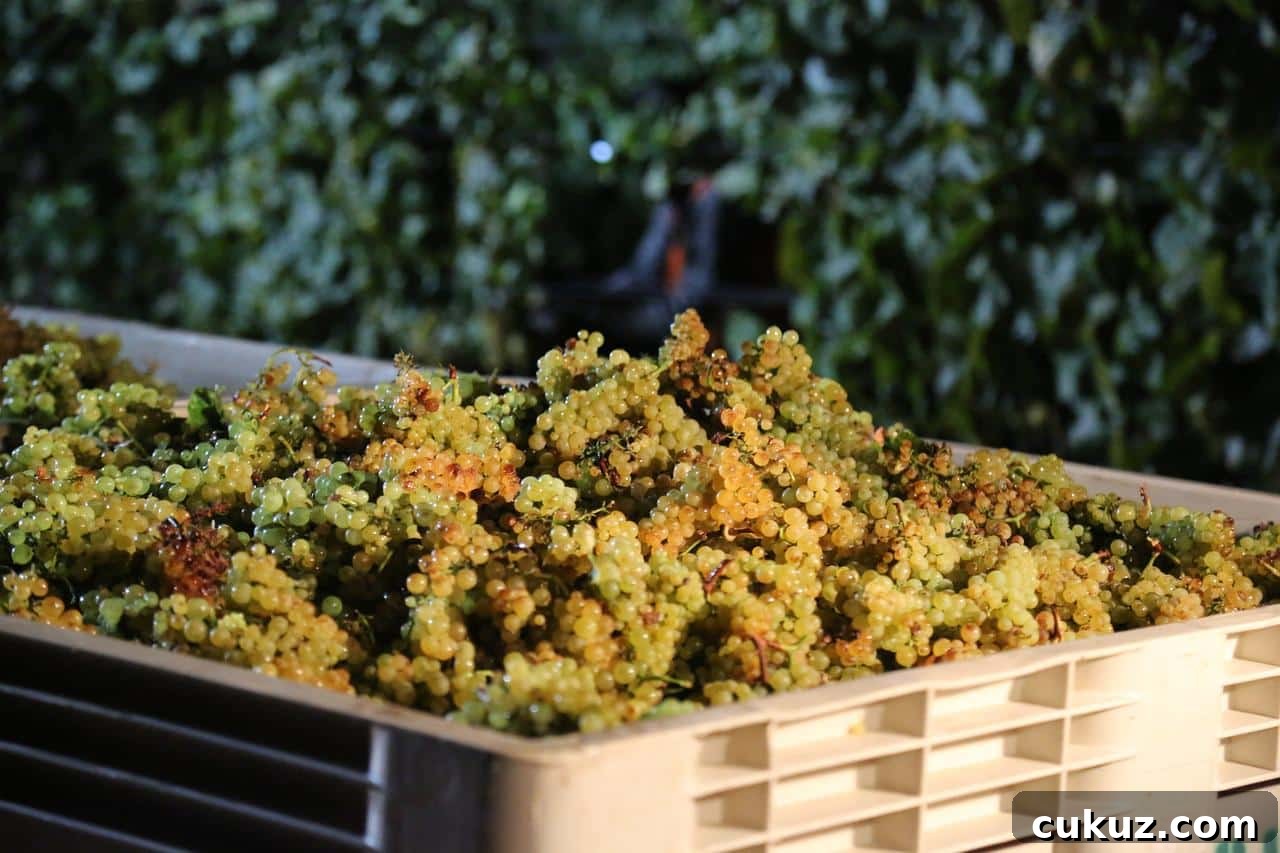
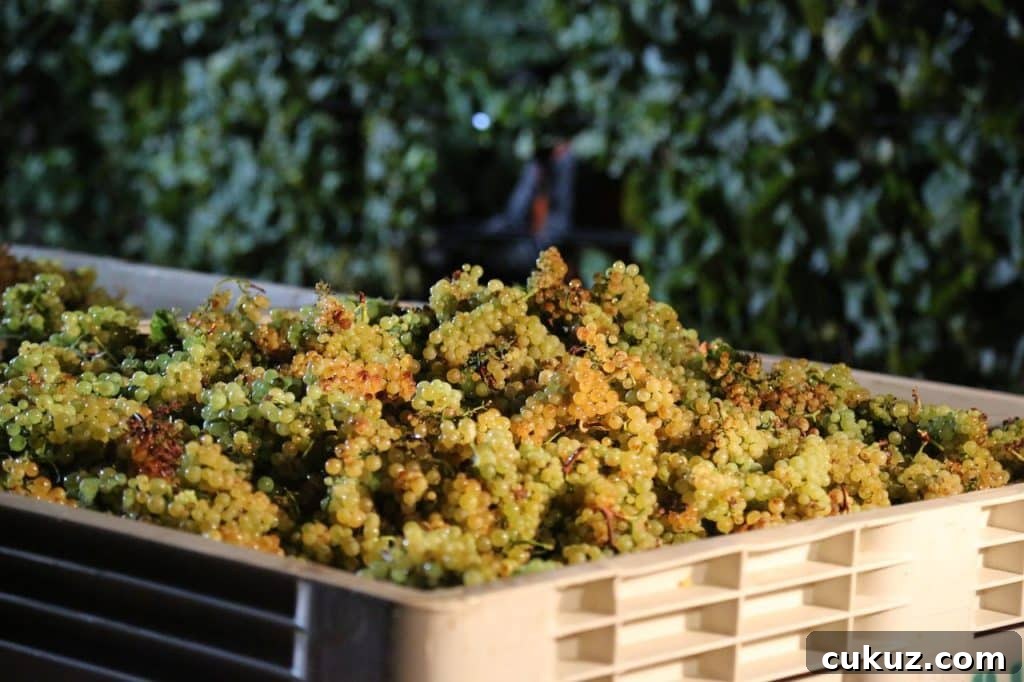
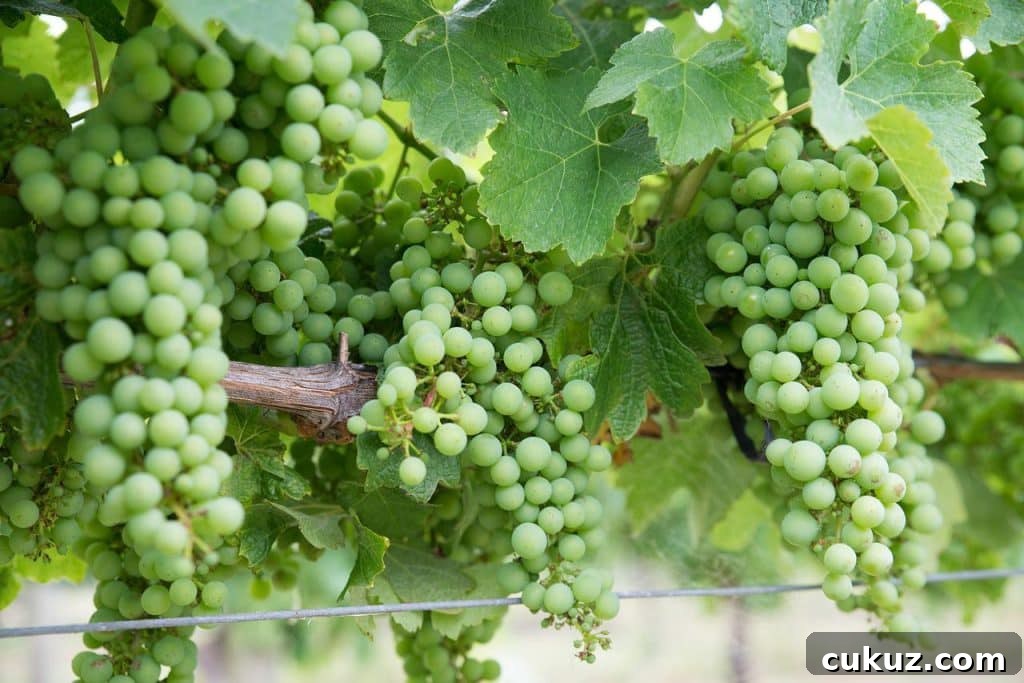
From harvest to bottle-ready maturity, Chardonnay often reaches an approachable stage within several months, but true bottle maturation continues over years. Initial winemaking and early aging—often in stainless steel or oak—shape the wine’s fruit, acidity and texture. Over the first six months to a year after production, the wine settles and integrates; beyond that, gradual changes in aroma and flavor occur as the wine ages in the bottle.
Flavors evolve rather than vanish overnight: acidity may soften, fruit notes may become more subdued, and secondary characteristics like butteriness, nuttiness or spice can emerge. How a wine is stored significantly affects this evolution.
To preserve a Chardonnay, avoid temperatures above 75°F (24°C). Aim for a cool, steady environment between 55–70°F (13–21°C). Avoid direct sunlight and strong odors—perfume, tobacco and certain foods can influence a corked bottle. Wrapping a bottle or storing it horizontally in a dark place helps protect it from light, dust and temperature fluctuations.
How long can you age a Chardonnay?
Many Chardonnays are intended for near-term enjoyment, but quality bottles—especially those with balanced acidity, oak integration and concentration—can age gracefully for five years or more. Some premium Burgundies and high-end New World Chardonnays can develop positively for a decade or longer. Conversely, simple everyday Chardonnays are best consumed within a few years of release.
If you prefer to drink a Chardonnay soon after purchase, it will generally be at its vibrant, fruit-forward best. If you plan to age a bottle, expect gradual development: richness and complexity usually increase with time, though not every wine benefits from extended cellaring.
What is the ideal storage temperature for a Chardonnay?
Store Chardonnay at a stable, cool temperature—around 60°F (15°C) is widely recommended. Avoid temperatures higher than 80°F (27°C), which accelerate chemical changes and can degrade acidity and aroma. Temperature fluctuations are also harmful; keep conditions steady to prevent premature aging or spoilage.
Store bottles on their sides if they have natural corks to keep the cork moist and airtight. Keep them in the dark or in low light to prevent UV damage. Minimizing oxygen exposure—through proper corking and limited movement—preserves freshness and prevents rapid oxidation.
When is a Chardonnay ready to drink?
Chardonnay is often enjoyed at peak ripeness, when acidity and fruit are balanced. Some drinkers prefer the bright, youthful expression with crisp fruit and acidity, while others enjoy the deeper, more nuanced profile that comes with short- to medium-term bottle aging. Letting a newly bought bottle rest for a few weeks to months can allow flavors to integrate, but many Chardonnays are enjoyable right away. Remember that patience can reward you with a different, sometimes richer tasting experience over time.
Benefits of aging a Chardonnay
Aging can enhance complexity, reveal tertiary aromas (such as nuttiness, honeyed notes or baking spices) and soften harsh edges. For certain Chardonnays, especially those fermented or aged in oak, time brings integration between fruit, oak and acidity, producing a smoother, more layered wine.
Additionally, careful aging improves longevity: a well-preserved bottle can be enjoyed over an extended period and may continue to evolve in interesting ways. However, not all Chardonnays benefit from long aging—choose wines known for structure and acidity if you plan to cellar them.
How aging affects Chardonnay’s flavor
With age, Chardonnay commonly moves from bright, primary fruit toward richer, more complex notes: buttery or creamy textures from malolactic fermentation, nutty or toasty characteristics from oak, and subtle spice or honeyed elements. Acidity tends to mellow, and the overall profile becomes more integrated. Some drinkers prefer the youthful vibrancy of an unaged Chardonnay, while others seek the layered complexity of an aged bottle. Personal preference and the specific wine style guide how long you should keep it.
Popular ways to enjoy Chardonnay
Chardonnay is versatile and can be served in several styles. Chilled and crisp, it pairs beautifully with seafood, salads and light poultry dishes. For a more festive twist, some people blend a splash of sparkling wine or Champagne with Chardonnay to add effervescence and brightness. Serve chilled, avoid over-icing to prevent muting flavors, and consider gentle aeration for oak-aged bottlings to open up their aromatics.
Related Posts
Liquid Marijuana Cocktail Recipe
Barefoot Contessa Tuna Casserole Recipe
Kielbasa in Air Fryer
Does Bacon Grease Go Bad?