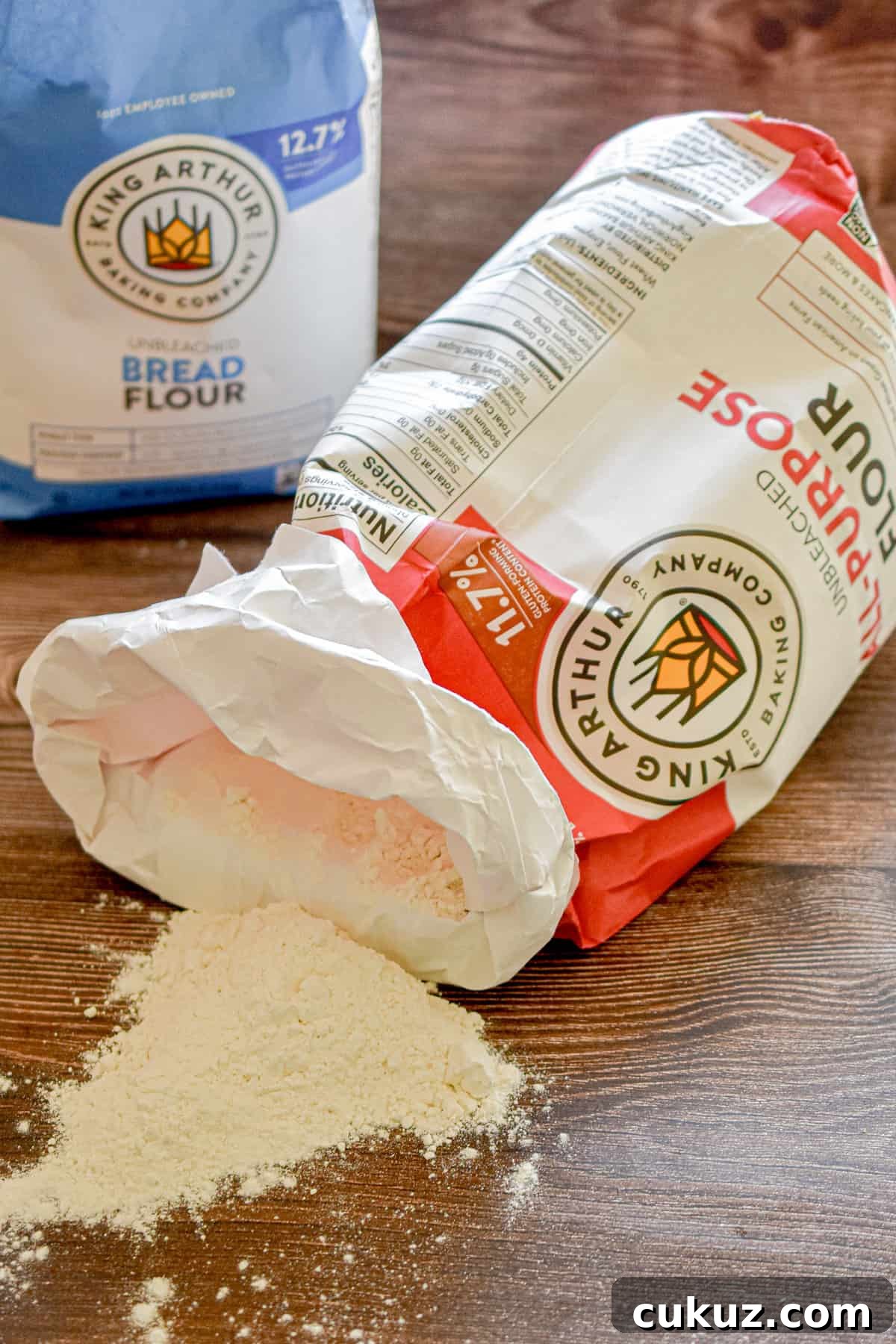
When baking, it can be confusing to decide between bread flour vs all purpose flour. This guide explains the differences and helps you choose the right flour for your recipes.
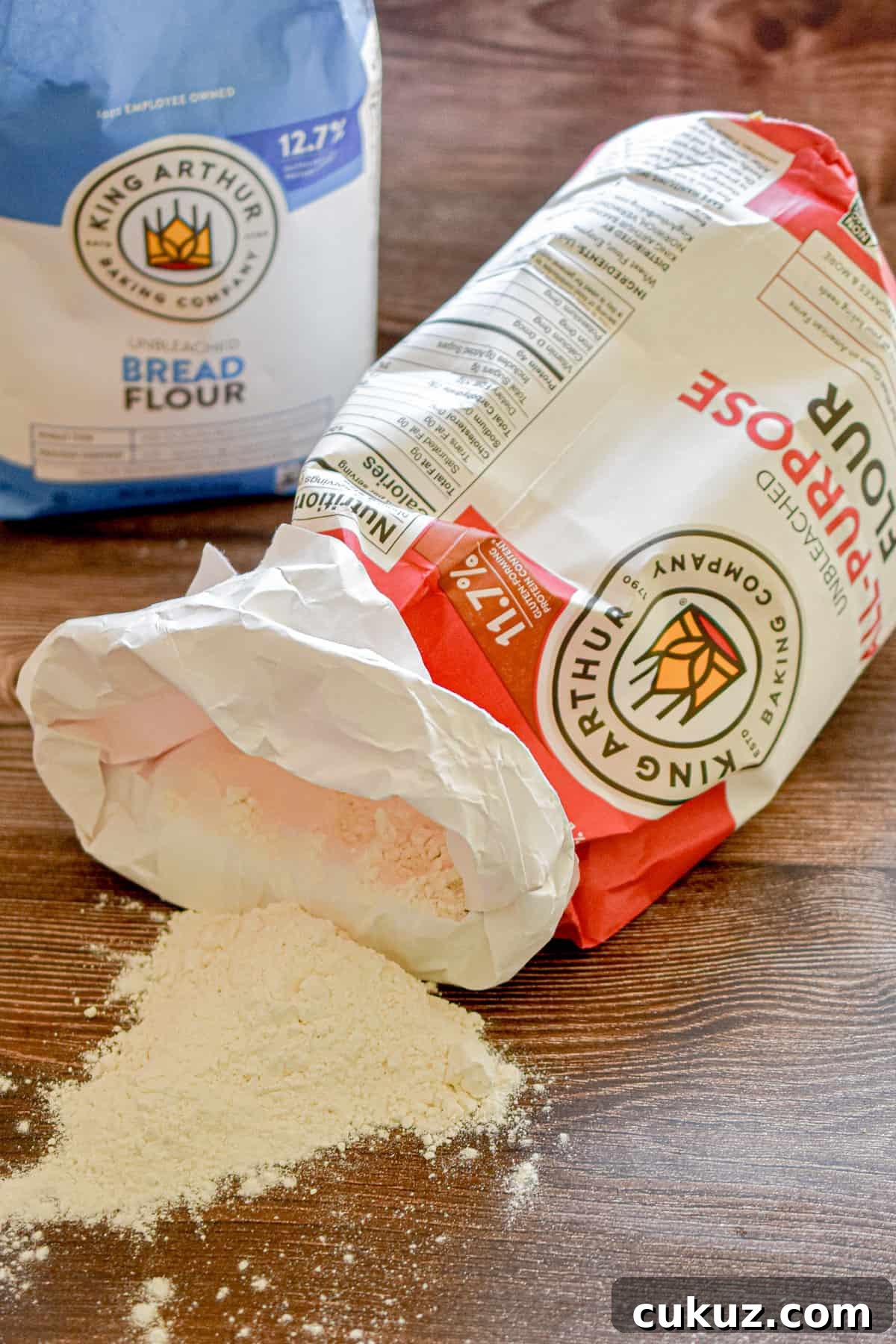
Have you ever found a recipe that calls for bread flour and wondered if you can use all-purpose instead? Or questioned why bagels or certain artisan loaves call specifically for bread flour? Choosing the right flour affects texture, structure, and flavor, so it helps to know what each type does best.
Bread flour contains more protein, which gives breads a chewier, stronger structure—ideal for yeasted recipes. All-purpose flour is versatile and milder, suitable for cakes, cookies, quick breads, and general cooking.
Below is a clear comparison to help you pick the right flour for your baking.
Bread Flour vs All Purpose Flour
What is Bread Flour?
Bread flour is a higher-protein wheat flour designed to develop more gluten, producing the sturdy, chewy crumb typical of many yeasted breads. It’s commonly used for bagels, artisan loaves, and other recipes where a strong structure and chew are desired.
When combined with yeast, bread flour helps develop elasticity and volume, improving both texture and flavor in yeasted breads.
What is All Purpose Flour?
All-purpose flour is a versatile, medium-protein flour milled to suit a wide range of baking and cooking needs. It strikes a balance between strength and tenderness, making it suitable for pancakes, muffins, cookies, and many quick breads.
All-purpose flour is also useful outside baking—for example, as a thickener for soups and sauces—making it a staple in most kitchens.

Bread Flour vs All Purpose Protein Comparison
Protein content is the main difference. Bread flour generally contains about 12–14% protein, which promotes gluten formation and gives breads their chewy texture. All-purpose flour typically has 8–11% protein, resulting in less gluten and a softer crumb—preferred for cakes, cookies, and pastry.
How To Use Bread Flour
Use bread flour for yeast-based recipes where a strong, chewy structure is desired: sandwich loaves, bagels, pizza dough, and artisan sourdoughs. It’s also a good choice for enriched doughs and any recipe that benefits from extra strength and elasticity.
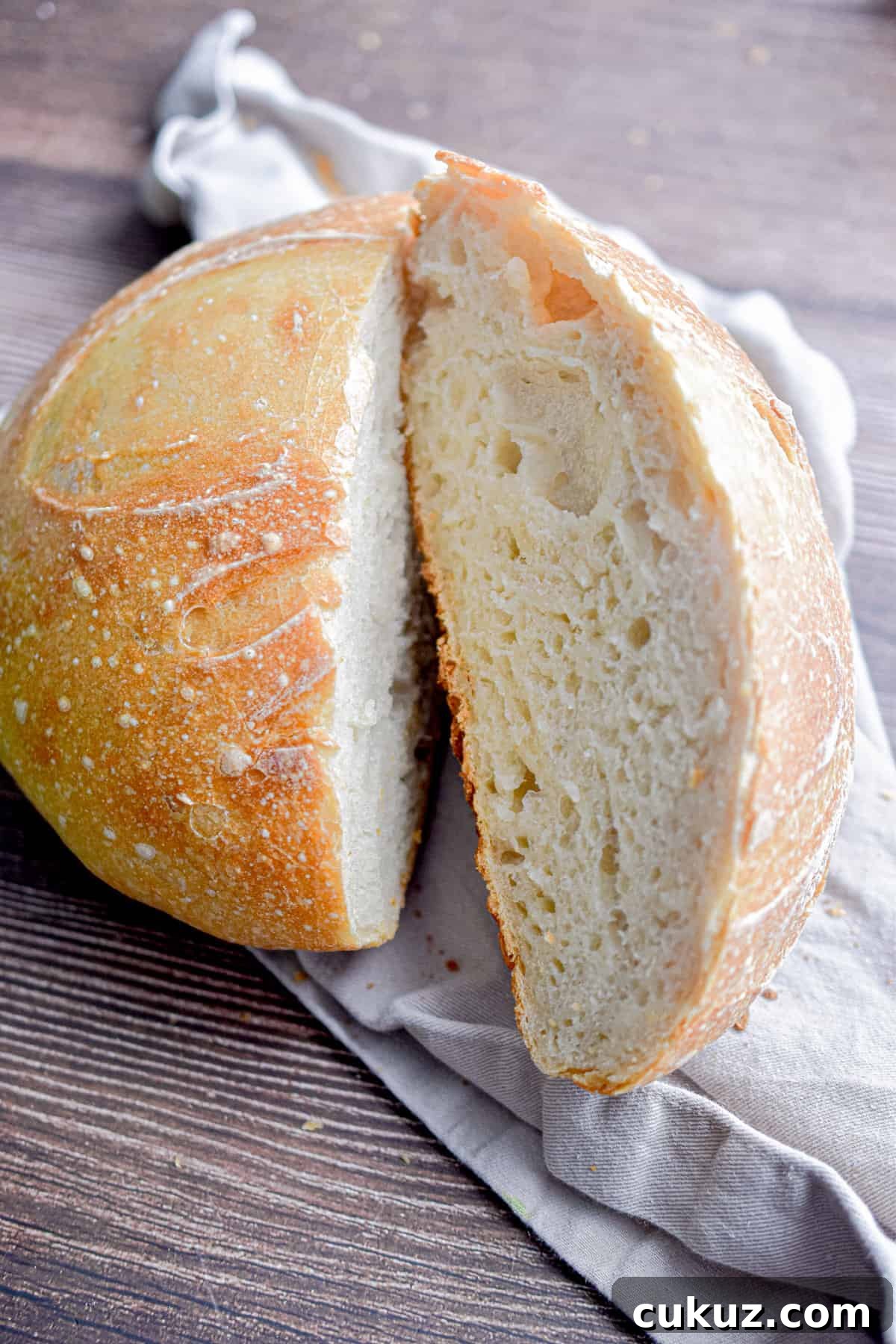
How To Use All Purpose Flour
All-purpose flour shines in quick breads, muffins, pancakes, cookies, and many everyday baking tasks. It also works well for thickening sauces, gravies, and soups. When a tender, delicate crumb is preferred, reach for all-purpose flour.
Is Bread Flour The Same As All Purpose Flour When Substituting?
You can often substitute one for the other, but results will vary. Replacing all-purpose with bread flour can produce a chewier, denser outcome because of the higher protein and increased gluten. For yeasted breads and pizza crusts, bread flour is usually a one-to-one swap. For tender baked goods, substituting bread flour may require adjusting liquid and expect a firmer texture.
How To Store Flour
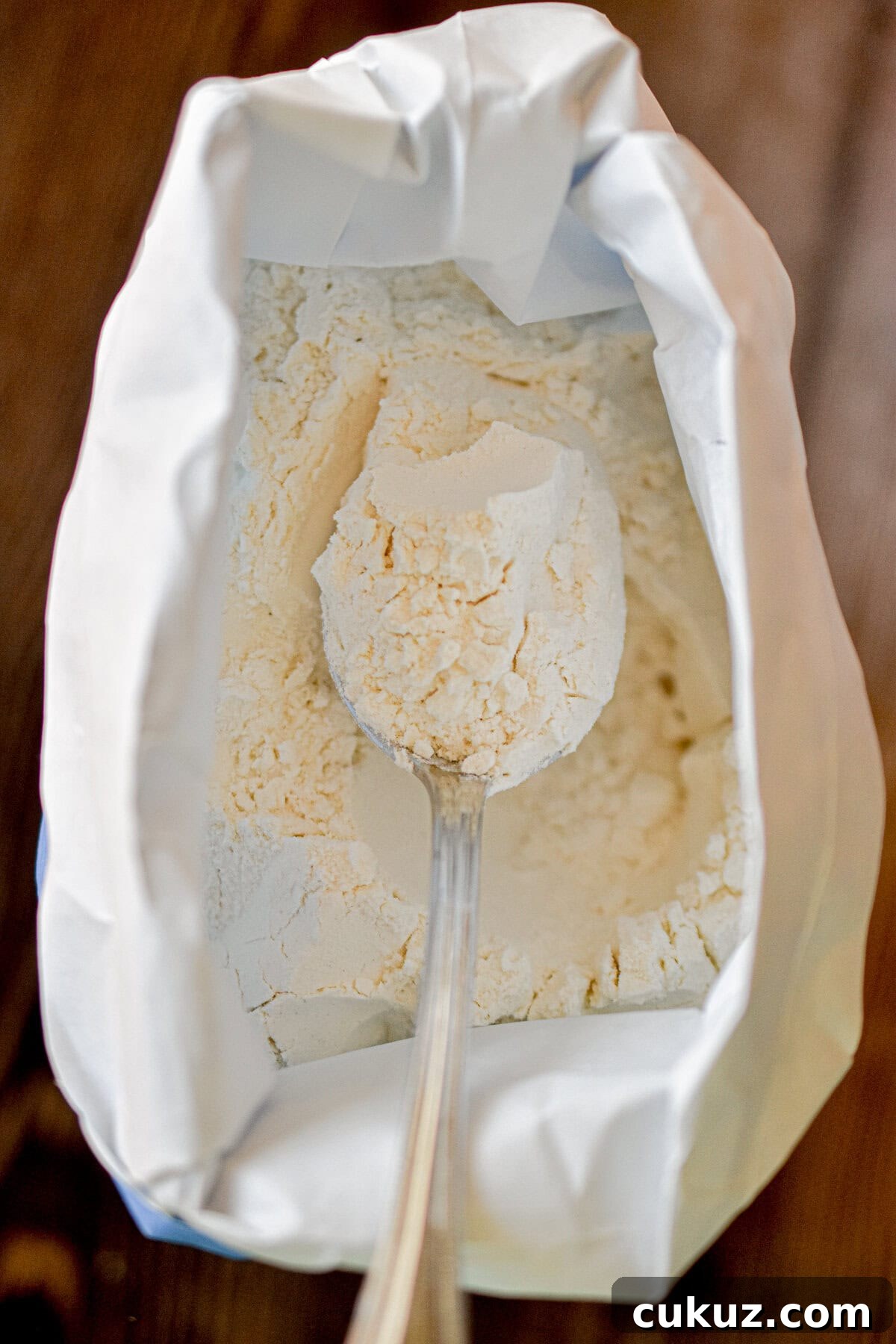
Store both bread and all-purpose flour in a cool, dry place away from sunlight and moisture. Use an airtight container or a sealed freezer bag to prevent pests and odors. Properly stored flour lasts longer and stays fresher.
You can also freeze flour in labeled, airtight bags for up to six months or longer. Thaw it before use and keep it sealed to maintain quality.
All Purpose vs Bread Flour FAQs
Unbleached flour is preferred for its natural flavor and performance in most recipes, though bleached flour can be used when specifically called for.
Bread flour enhances chew and structure, but many bread recipes will work with all-purpose flour if you don’t have bread flour on hand.
Organic bread flour is a fine choice if available. Quality brands of non-organic bread flour also perform well and are widely available.
Did you find this information helpful?
If so, consider leaving a review and sharing your results on social media.