Written by Beth Waweru and Abbie Davidson
As a new parent, you likely want to avoid harsh chemicals on your baby’s skin. Minimizing irritation and steering clear of endocrine-disrupting ingredients is a common priority—and a smart one.
This guide presents trusted picks for sensitive-skin baby wipes formulated without phthalates, parabens, chlorine bleaching, formaldehyde releasers, and common skin irritants. We also explain what to look for when choosing non-toxic wipes so you can evaluate other brands with confidence.
What this guide includes:
- Why Should You Use Non-Toxic Baby Wipes?
- Factors to Consider when Choosing Non-Toxic Baby Wipes
- 1. The Cloth Itself
- 2. Ingredients
- 3. Thickness & Texture
- 4. Dispensing Design
- 5. Price
- Our Picks for the Best Non-Toxic & Natural Baby Wipes
- “Compostable” vs. “Biodegradable” Baby Wipes
- Which Type Do You Want? Wet Wipes vs. Dry Wipes vs. Reusable Wipes
- FAQs
This guide contains product recommendations; we may receive compensation if you purchase through certain links. We only recommend products we believe in.
Why Should You Use Non-Toxic Baby Wipes?
Wipes are used on the most sensitive parts of a baby’s body. That means ingredients matter. Dermatologists caution against harsh additives that can cause immediate irritation, while research on endocrine-disrupting chemicals (EDCs) such as phthalates highlights potential long-term effects on developing children. Because infants are still growing, small disruptions in hormone signaling can have meaningful consequences.
With that in mind, the next section outlines the key factors to evaluate when shopping for non-toxic baby wipes. If you prefer, you can skip ahead to the product recommendations below.
Factors to Consider when Choosing Non-Toxic Baby Wipes
1. The Cloth Itself
Wipe fabric varies. Many conventional wipes are polyester or polypropylene blends—essentially plastic. Plant-based alternatives are typically made from cellulose fibers such as wood pulp, bamboo, or eucalyptus and are labeled rayon, viscose, or lyocell. These plant-based options are generally preferable to plastic wipes.
However, not all rayon or viscose is produced the same way. Some manufacturing processes use toxic chemicals; others use closed-loop systems that minimize pollution. If a brand discloses sourcing from a transparent supplier, that’s a strong positive. Organic cotton is the gold standard for fiber safety, but it is costlier and less common for disposable wipes.
Bleaching Method
Bleaching matters because conventional chlorine bleaching can produce dioxins and other harmful byproducts. Look for wipes that are unbleached or use TCF (total chlorine-free) or other chlorine-free whitening methods.
2. Ingredients
Wipe solutions should ideally contain a short, transparent list of ingredients—primarily water, a gentle cleanser, and a safe preservative. Many natural brands add soothing botanicals like organic aloe vera or chamomile.
Preservatives
Preservatives prevent mold and bacterial growth in wet products, but some are problematic. Avoid parabens, formaldehyde-releasers (e.g., DMDM hydantoin), isothiazolinones (e.g., methylisothiazolinone), and ethoxylated ingredients that can carry contaminants. Safer preservatives include citric acid, sodium benzoate, and potassium sorbate. If you’d rather avoid preservatives entirely, consider using dry wipes with your own water and cleanser.
Fragrance
Avoid unspecified “fragrance.” The term can hide many chemicals, including phthalates, which are used to make scents linger and are known endocrine disruptors. Unscented or naturally scented wipes (e.g., from chamomile) are the safer choice.
3. Thickness & Texture
Thicker wipes tend to be more absorbent and durable, which can mean fewer wipes used per change. Texture can help clean messes more effectively. Personal preference and intended use (diaper changes vs. face/hands) will determine which thickness is best for you.
4. Dispensing Design
A one-hand, easy-dispense design is invaluable during messy diaper changes. Look for packaging that prevents multiple wipes from sticking together and preserves moisture.
5. Price
Non-toxic wipes can range from budget-friendly to premium. If cost is a concern, fragrance-free conventional wipes are a reasonable interim option, or try reusable cloth wipes made from organic cotton to save over time.
Our Picks for the Best Non-Toxic & Natural Baby Wipes
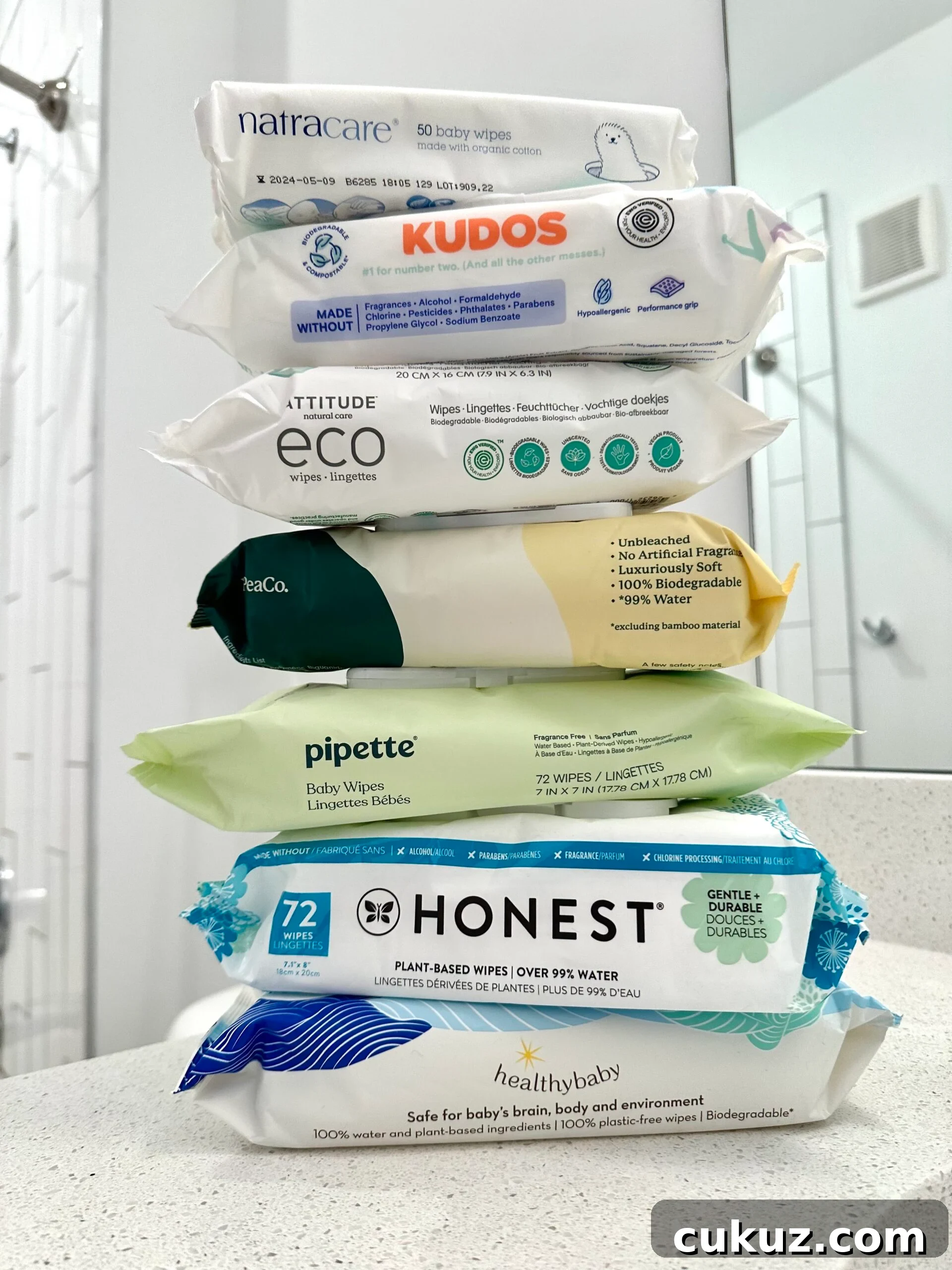
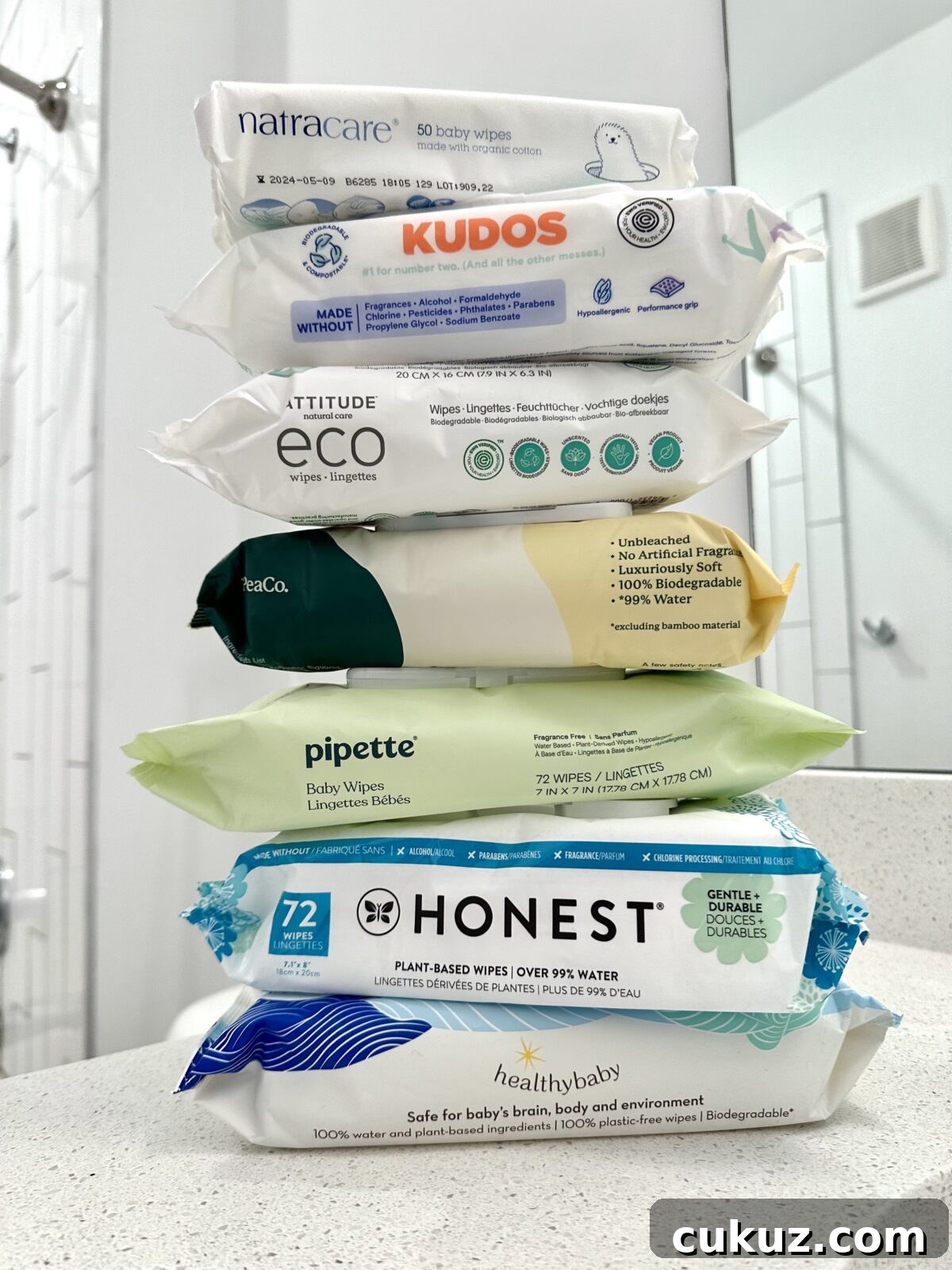
Below are our recommended brands, chosen for minimal and transparent ingredient lists, safer preservatives, and fabric choices. Many of these brands carry third-party certifications that further validate their claims.
Eco Pea Co.
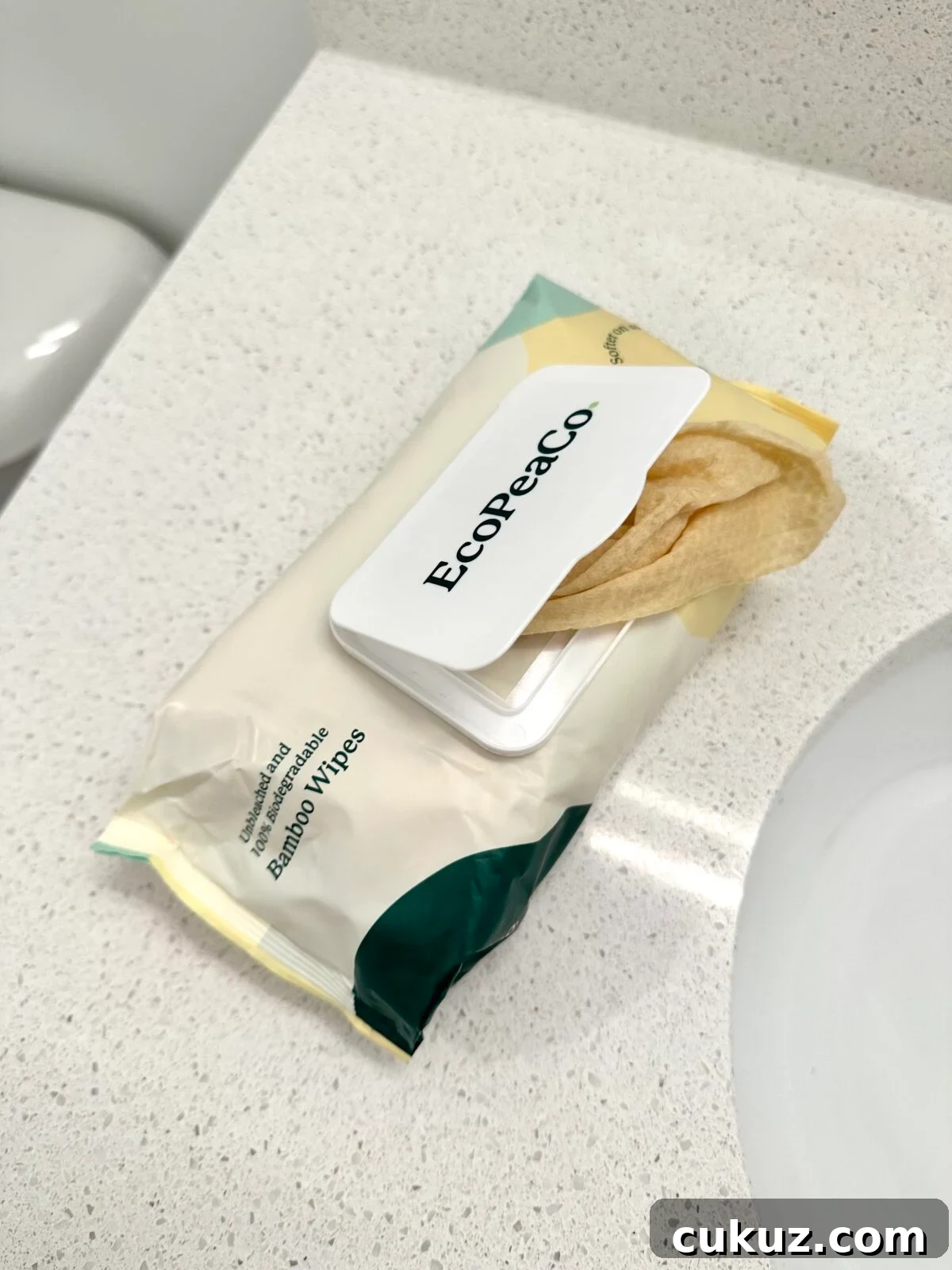
Types: Unbleached bamboo wipes. Price range: Higher up-front due to large packs.
Eco Pea Co. offers unbleached, plastic-free wipes made from plant-based cellulose, formulated with 99% water and gentle ingredients. They prioritize sustainability in sourcing and packaging.
Pros: Unbleached, fragrance-free, balanced thickness and texture, subscription savings. Cons: Large minimum order size and higher upfront cost.
Healthybaby
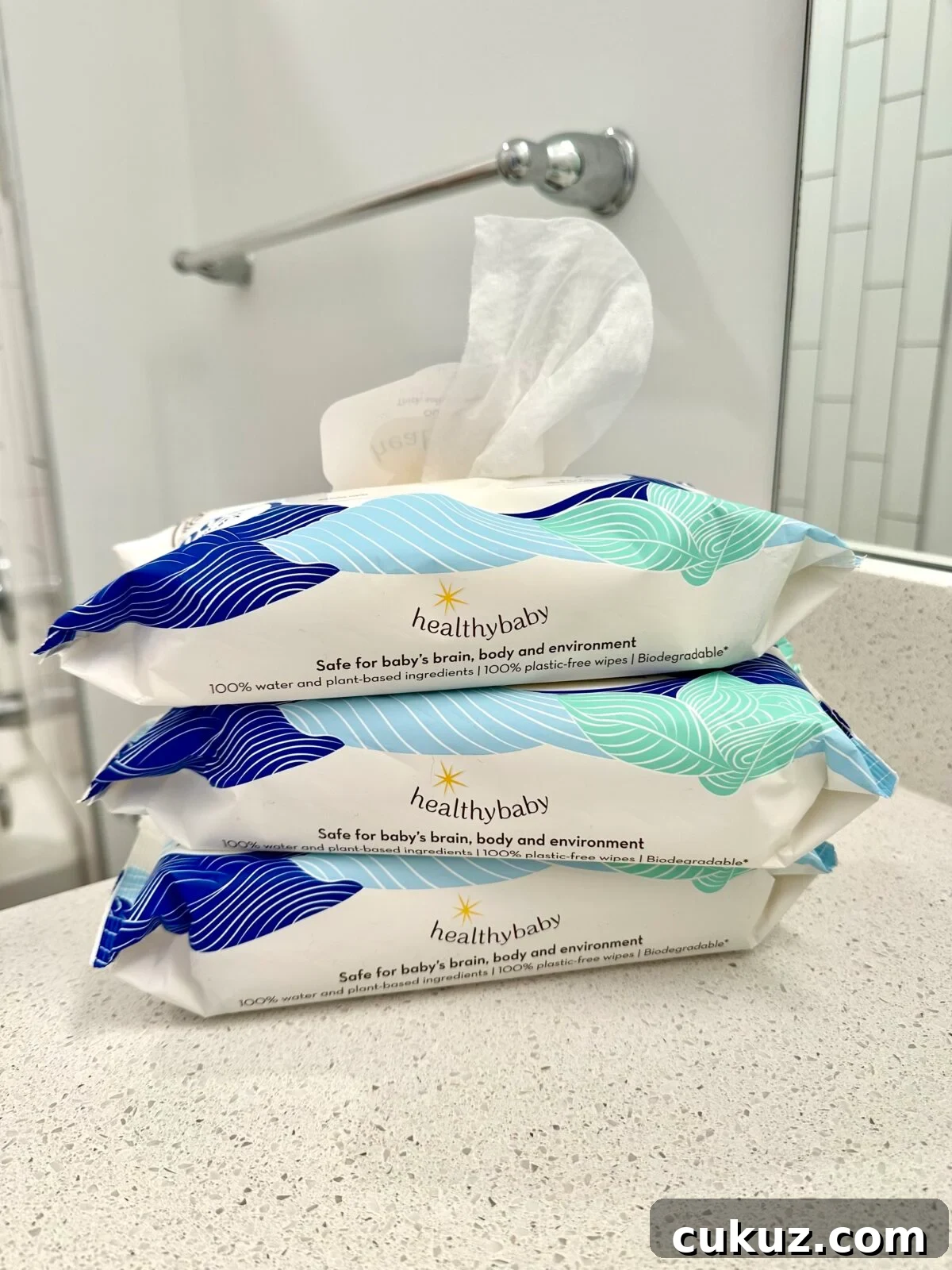
Types: Wet wipes (plant-based cellulose) and dry wipes (100% organic cotton). Price range: Mid to premium.
Healthybaby’s wet wipes are EWG Verified and MADE SAFE certified, with soothing ingredients like organic aloe and chamomile. Their dry organic cotton wipes let you control the solution you use, avoiding preservatives altogether.
Pros: Multiple certifications, TCF bleaching, good thickness, subscription discounts. Cons: More expensive and not widely available in retail stores.
ATTITUDE
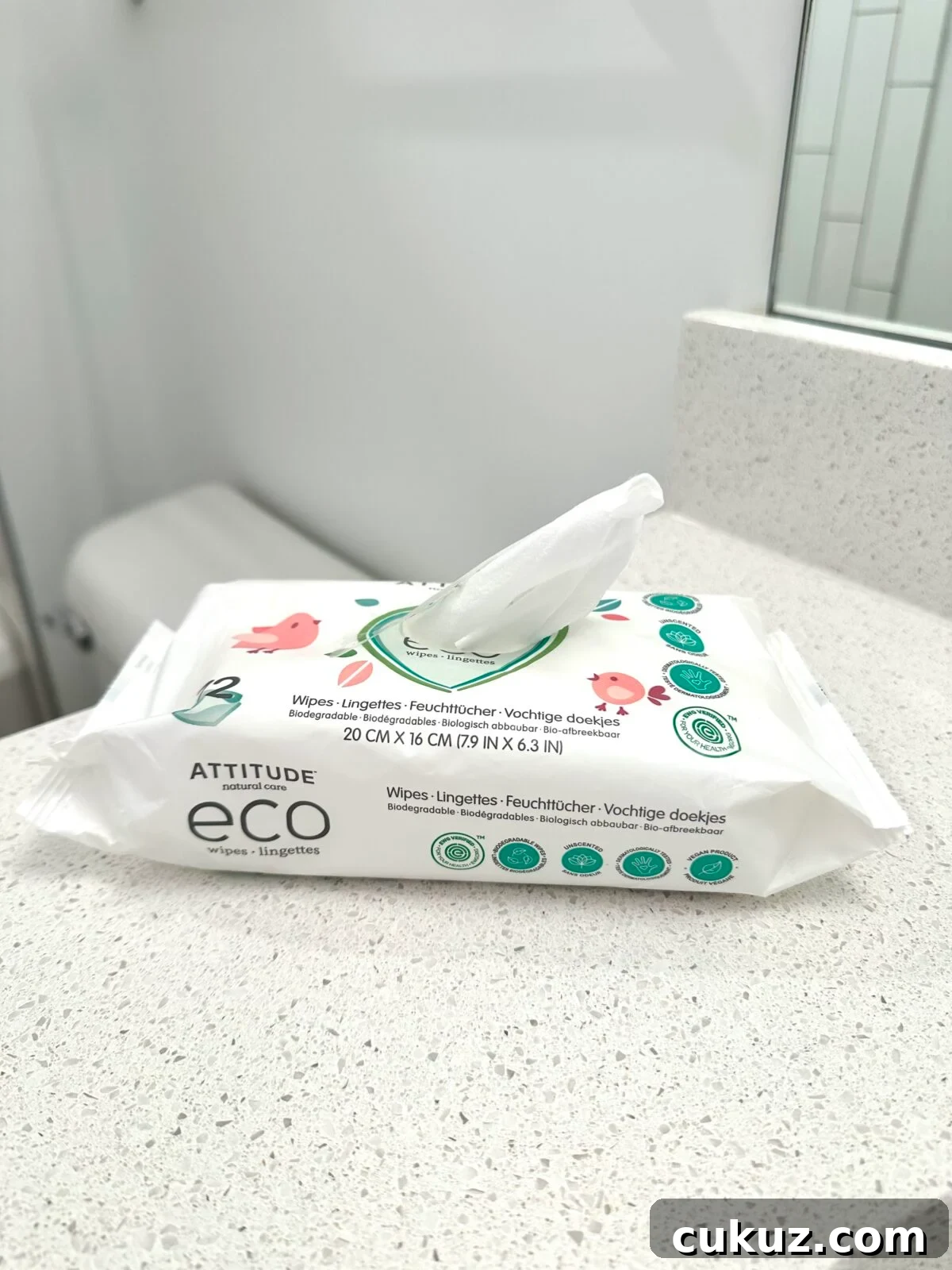
Types: Regular and Sensitive Skin baby wipes. Price range: Budget to mid.
ATTITUDE offers hypoallergenic, unscented formulas with plant-based preservatives. Their Sensitive Skin line includes oatmeal and is approved by the National Eczema Association.
Pros: Hypoallergenic, unscented, subscription options. Cons: Uses ECF bleaching (chlorine dioxide) rather than fully chlorine-free methods.
Pipette
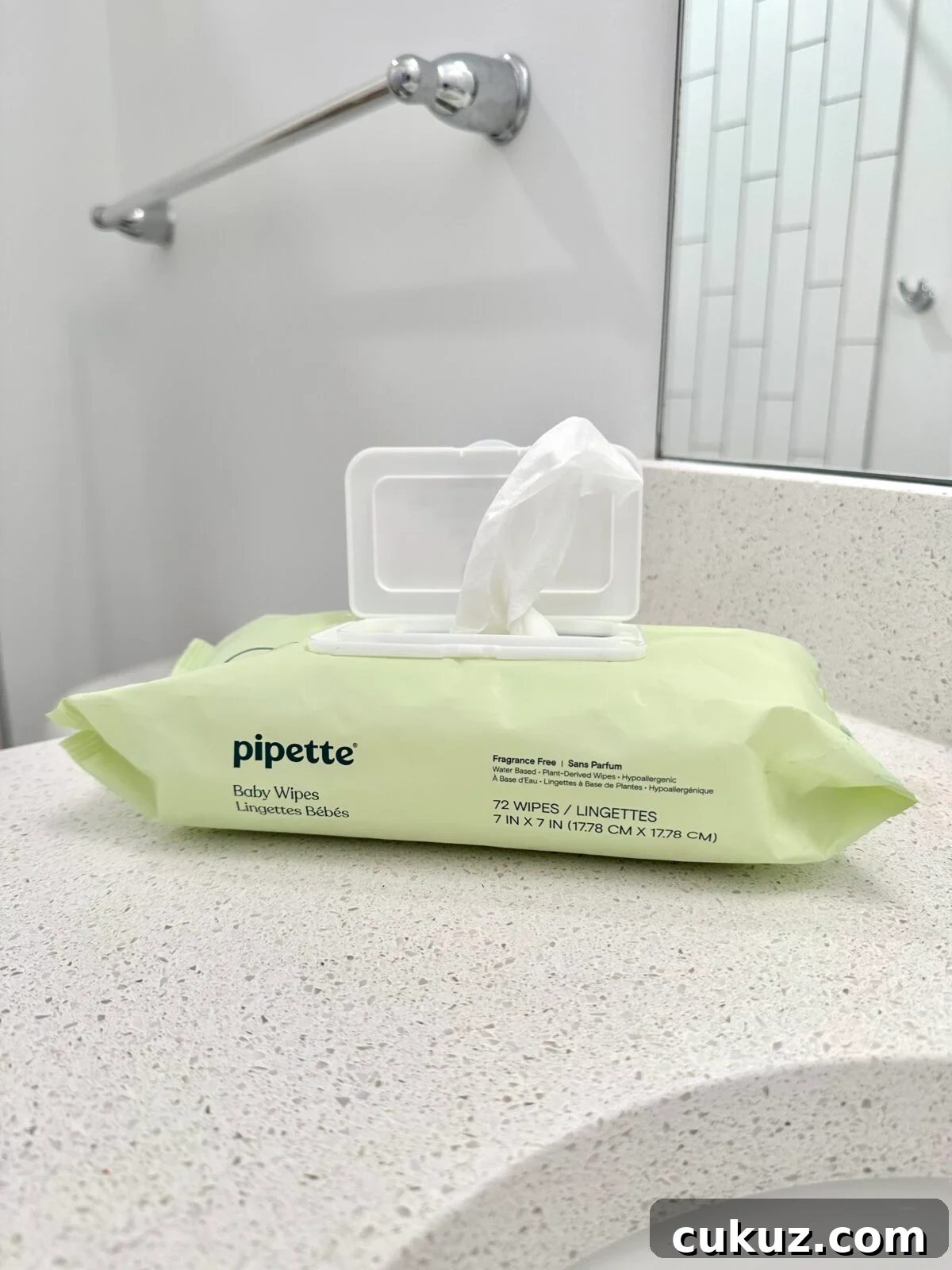
Types: Standard baby wipes. Price range: Affordable to mid.
Pipette incorporates squalane for moisturizing and uses gentle actives like vitamin E and apple extract. Their wipes are EWG Verified and cruelty-free.
Pros: Moisturizing squalane, easy dispensing, subscription savings. Cons: Uses ECF bleaching method.
Natracare
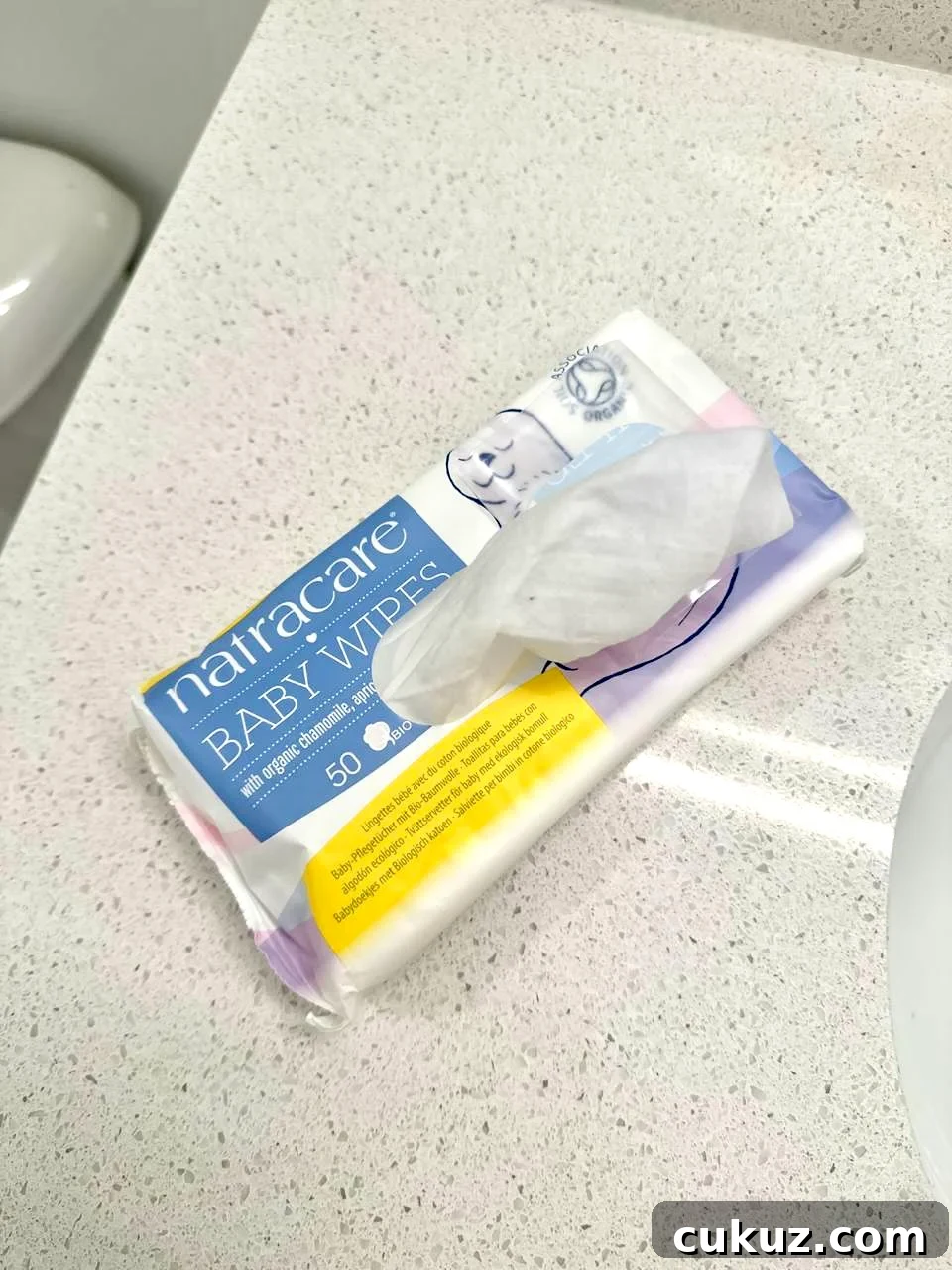
Types: Organic cotton baby wipes and other wipe varieties. Price range: Mid to premium.
Natracare is one of the few brands using certified organic cotton for disposable wet wipes. Their wipes are pH-balanced, include calming botanicals like chamomile and calendula, and carry multiple third-party certifications.
Pros: Organic cotton fabric, TCF bleaching, widely available in major retailers. Cons: Higher cost and a slightly longer ingredient list.
Coterie
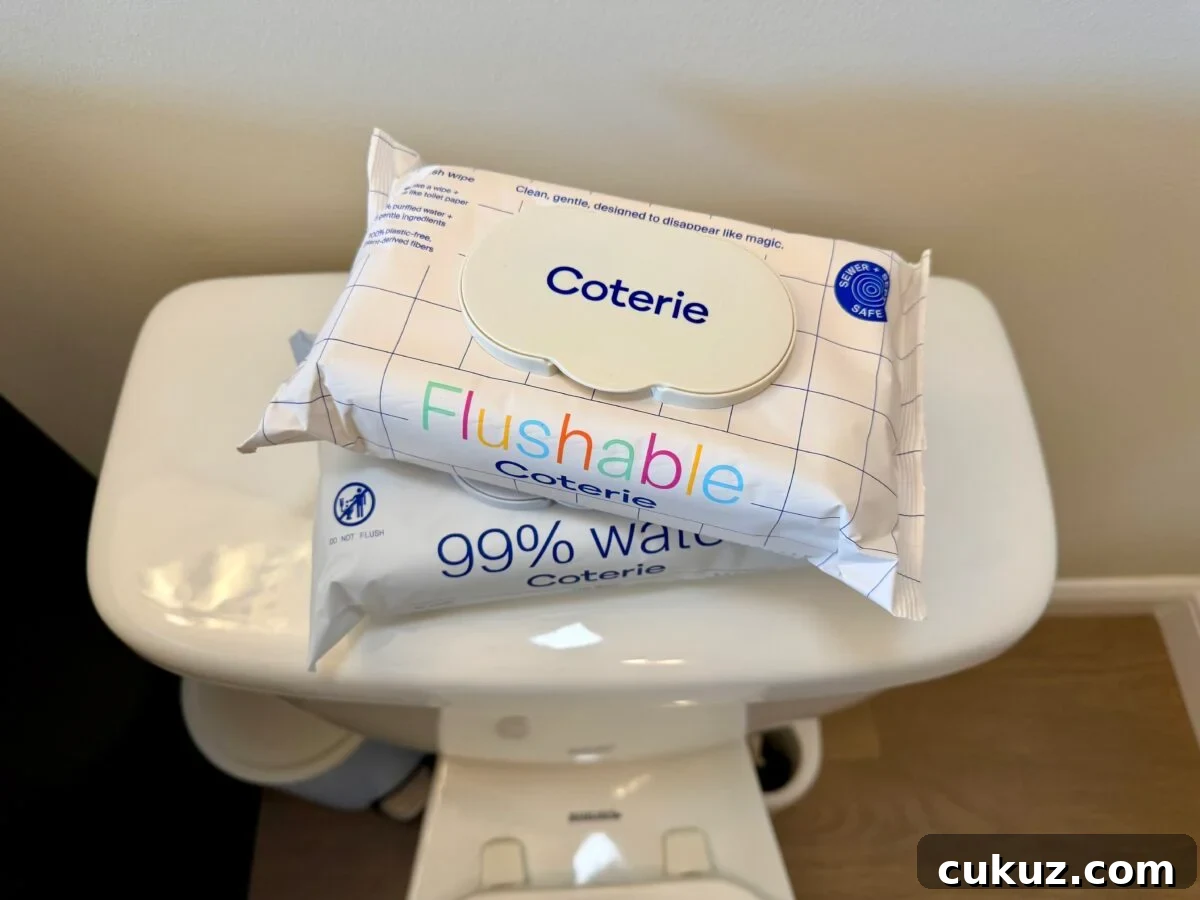
Types: 99% water wipe, flushable wipe, travel and soft wipe options. Price range: Premium.
Coterie’s 99% water wipes are thick, durable, and made from FSC-certified viscose/lyocell. They’re EWG Verified and eczema-friendly. Avoid the “Soft Wipe” if you prefer the most minimal ingredient lists.
Pros: Strong fabric, effective single-wipe performance, certifications. Cons: Premium price, and some formulations include less desirable ingredients.
Kudos
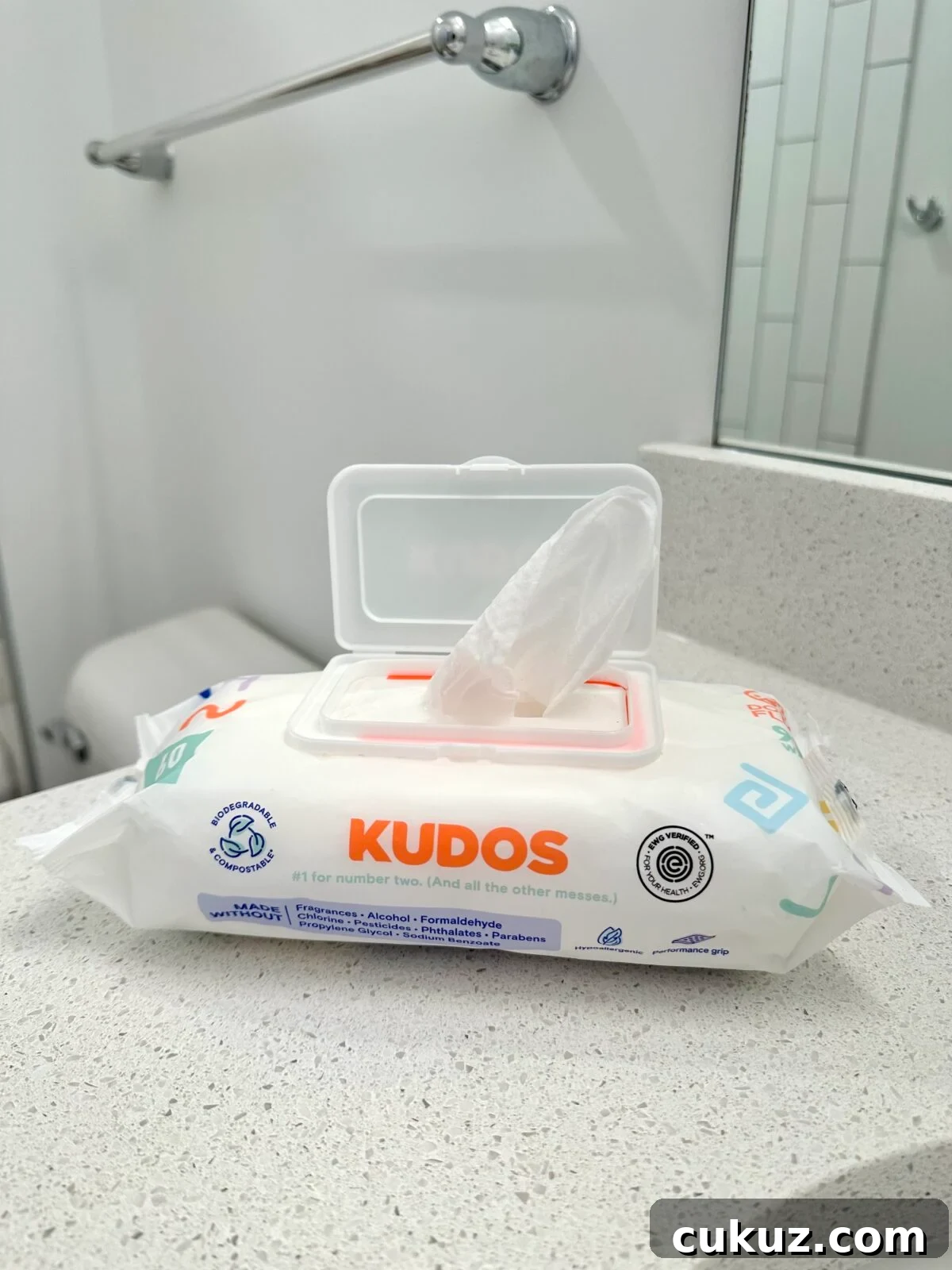
Types: Premium wet wipes. Price range: Mid to premium.
Kudos uses Lenzing-sourced cellulose with a quilted texture for effective cleaning. Their wipes are EWG Verified and pair well with their diaper bundles for cost savings.
Pros: Responsible cellulose sourcing, effective texture, bundling options. Cons: No trial packs and limited retail availability.
Eco by Naty
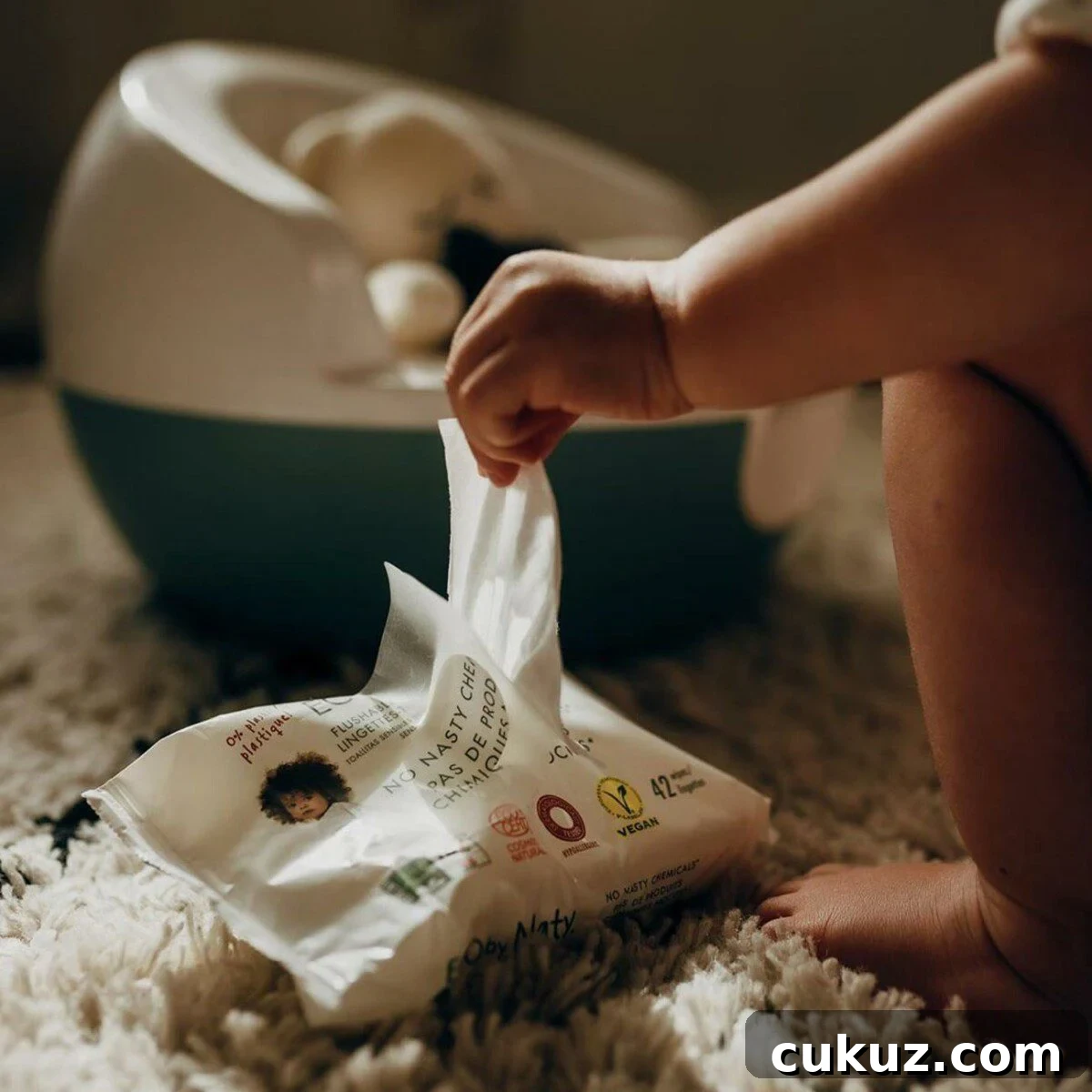
Types: Unscented, flushable, and aloe vera options. Price range: Budget-friendly.
Eco by Naty offers unbleached plant-based wipes that are hypoallergenic and gentle, making them suitable even for newborns. They are affordable and widely available.
Pros: Unbleached, unscented, affordable. Cons: Dispensing can be inconsistent and tissue can be thinner than some premium options.
Honest
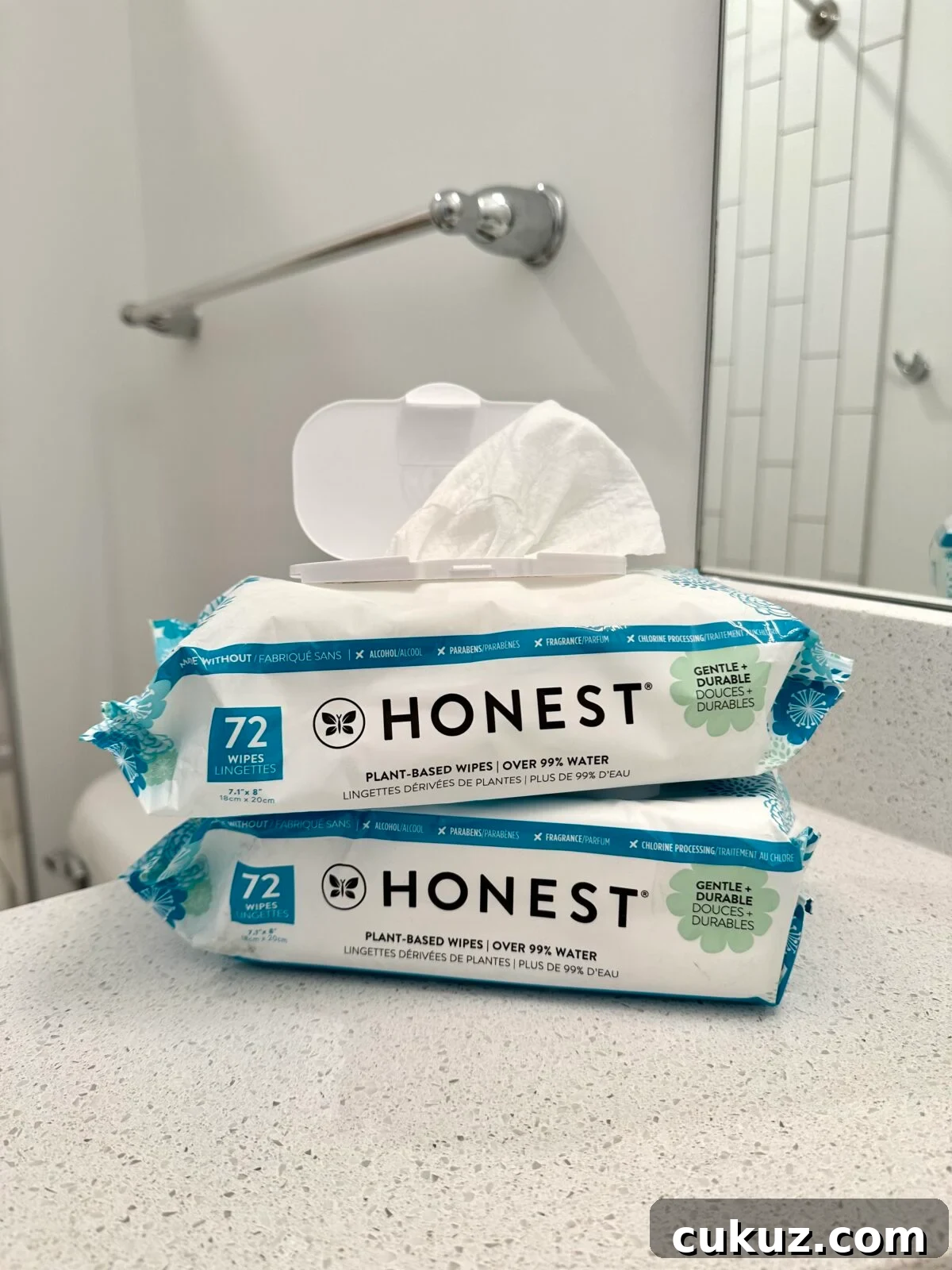
Types: CLEAN CONSCIOUS™ wet wipes, dry wipes (100% organic cotton), sanitizing and makeup wipes. Price range: Budget to mid.
Honest wipes are hypoallergenic, fragrance-free, and come in many size and packaging options. Their dry wipes are pure organic cotton for DIY wetting. Honest uses TCF bleaching methods for their wet wipes.
Pros: Multiple options and sizes, widely available, subscription discounts. Cons: Some synthetic ingredients are used in certain formulations.
Kinder by Nature
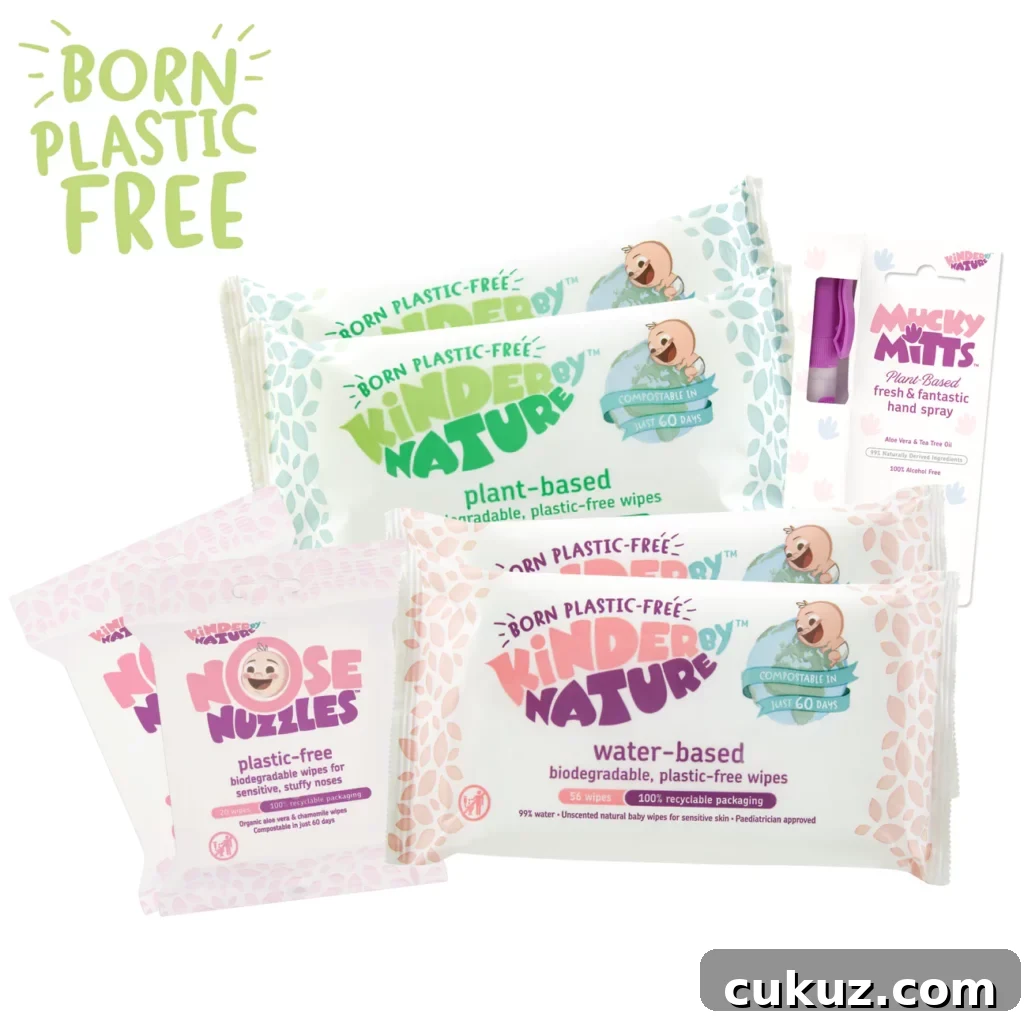
Types: Plant-based wipes and water-based wipes. Price range: Affordable.
UK-based Kinder by Nature offers minimal-ingredient, pH-balanced wipes that are dermatologist-tested and pediatrician-approved. Their water-based wipes have very short ingredient lists and are plastic-free.
Pros: Fragrance-free, chlorine-free bleaching, trial packs available. Cons: Limited availability outside the UK.
“Compostable” vs. “Biodegradable” Baby Wipes
Biodegradable and compostable are not interchangeable. Biodegradable materials break down over time but may leave residues or microplastics. Compostable materials break down into nutrient-rich compost under specific conditions.
All compostable items are biodegradable, but not all biodegradable items are compostable. Compostable products may be certified for home composting or require industrial composting facilities. Home compost systems typically don’t reach temperatures needed to neutralize pathogens from human waste, so composting dirty wipes at home can be unsafe. Industrial facilities that accept such waste and maintain high temperatures can be a better option—if your local facility allows that material.
If you don’t have access to appropriate composting, even compostable wipes will likely end up in landfill, so treat compostable labeling thoughtfully and investigate local disposal options before relying on it.
Which Type Do You Want? Wet Wipes vs. Dry Wipes vs. Reusable Wipes
Wet wipes are convenient—pre-moistened and ready for use. Dry disposable wipes are cloth-only and require you to add water or a cleanser, which avoids preservatives. Reusable cloth wipes are the most economical and produce the least waste; choose organic, undyed cotton and wash with a non-toxic detergent. You can also make DIY wipes from old organic t-shirts or towels for a low-cost, low-ingredient option.

FAQs
What are the safest baby wipes to use?
Safest wipes have short ingredient lists, are plastic-free or plant-based, use chlorine-free bleaching or are unbleached, and avoid skin irritants, harsh preservatives, formaldehyde releasers, and synthetic fragrances.
Which baby wipes are chemical free?
“Chemical-free” is imprecise because everything is made of chemicals. Look for wipes free from toxic chemicals like endocrine disruptors and known irritants. Brands highlighted above, such as Healthybaby, ATTITUDE, and Eco Pea Co., are examples of options with minimal, safer ingredients.
Are baby wipes non-toxic?
Not all baby wipes are non-toxic. Some contain problematic preservatives, fragrances, and other additives. Many brands now offer safer formulations with clear ingredient lists—refer to the recommended brands in this guide.
What is a healthy alternative to baby wipes?
Reusable organic cotton cloths, cut-up towels, or old t-shirts used with water and a gentle cleanser are healthy, economical alternatives. Wash and reuse for less waste and full control over ingredients.
Are WaterWipes non-toxic?
WaterWipes have minimal ingredients but use benzalkonium chloride as a preservative, which may be unsuitable for babies with eczema or respiratory sensitivities. They are better than many conventional wipes but not the absolute safest option for all infants.
What are the most organic baby wipes?
Natracare is one of the few brands making disposable wet wipes from certified organic cotton. Healthybaby also offers 100% organic cotton dry wipes.
Are baby wipes safe for premature and newborns?
Yes—when you choose fragrance-free, minimal-ingredient, non-toxic wipes formulated for sensitive skin.
Can you flush baby wipes?
Most baby wipes are not flushable and can damage plumbing. A few brands make flushable options—always check packaging and follow local disposal guidance.
This guide focused on natural baby wipes that help prevent skin irritation while minimizing exposure to harmful chemicals.
To receive non-toxic product recommendations and environmental toxin updates, consider subscribing to a newsletter from trusted sources.
About the Authors

Beth Waweru is a health and wellness writer and freelance writing trainer and coach. She is a certified content marketer, SEO specialist, and advanced copywriter with experience creating content for moms’ wellness, holistic health, and fitness brands.

Abbie Davidson is the creator and editor of The Filtery. With expertise in sustainability, she researches and writes to help people reduce environmental toxins in accessible, practical ways.