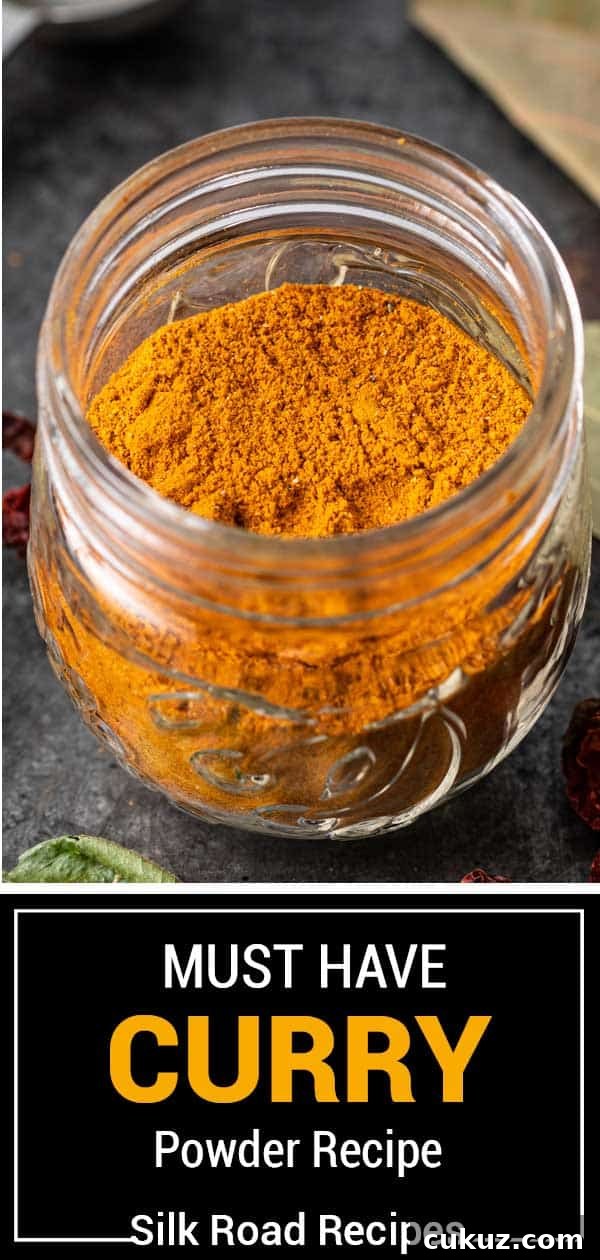
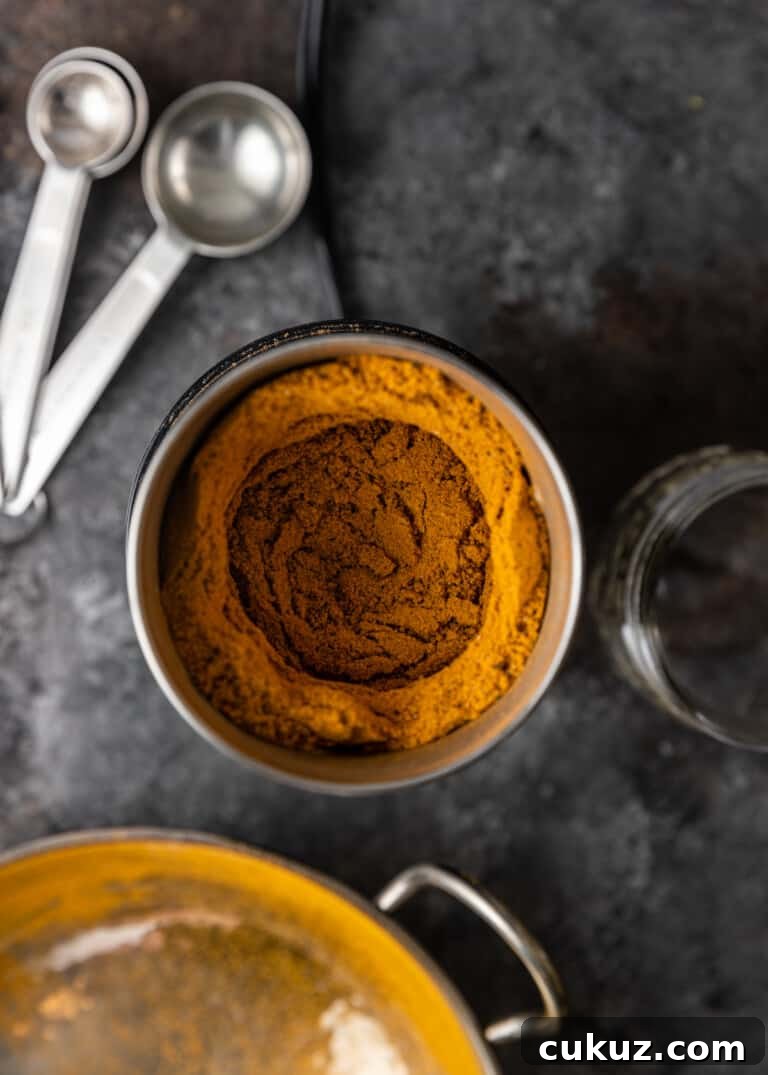
This DIY Curry Powder Recipe is an easy way to brighten everyday meals. A pinch of this aromatic blend adds the right balance of savory, warm sweetness and gentle heat to sauces, salads, stews, and marinades.
My pantry is stocked with homemade spice blends, but lately I keep reaching for this curry powder more than any other. It’s not too hot or too salty, and it has just enough sweetness to complement many dishes.
Although widely associated with Indian cooking, curry powder as we know it was actually created by British cooks and travelers who wanted to reproduce Indian flavors at home. Authentic Indian cuisine typically relies on specific spice mixes—like Madras or Vindaloo blends—rather than the generic curry powder commonly found in Western kitchens.
This versatile homemade curry powder works well in a wide range of recipes, from soups and stir-fries to meat rubs and marinades. For some chickpea dishes, you might prefer a Chana Masala blend, but this generic curry powder is great for everyday use.
More Indian Spices For Your Homemade Curry Powder
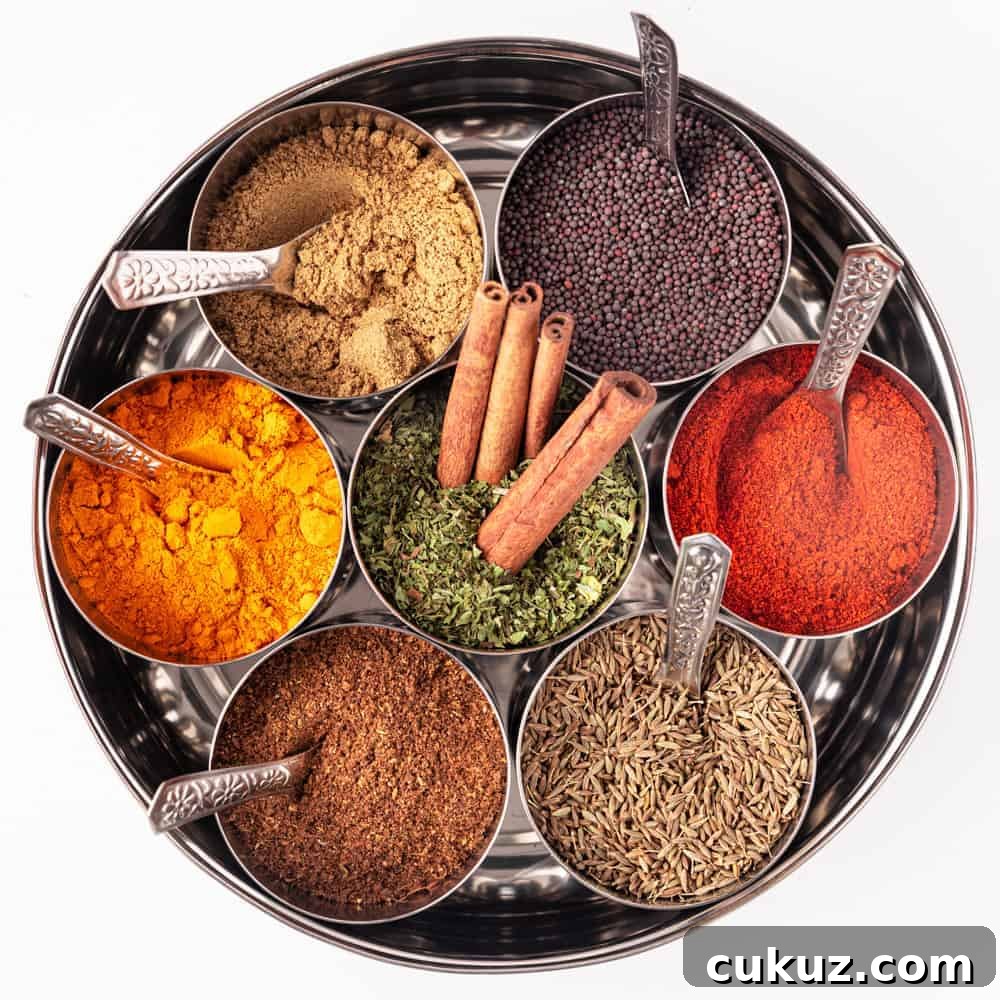
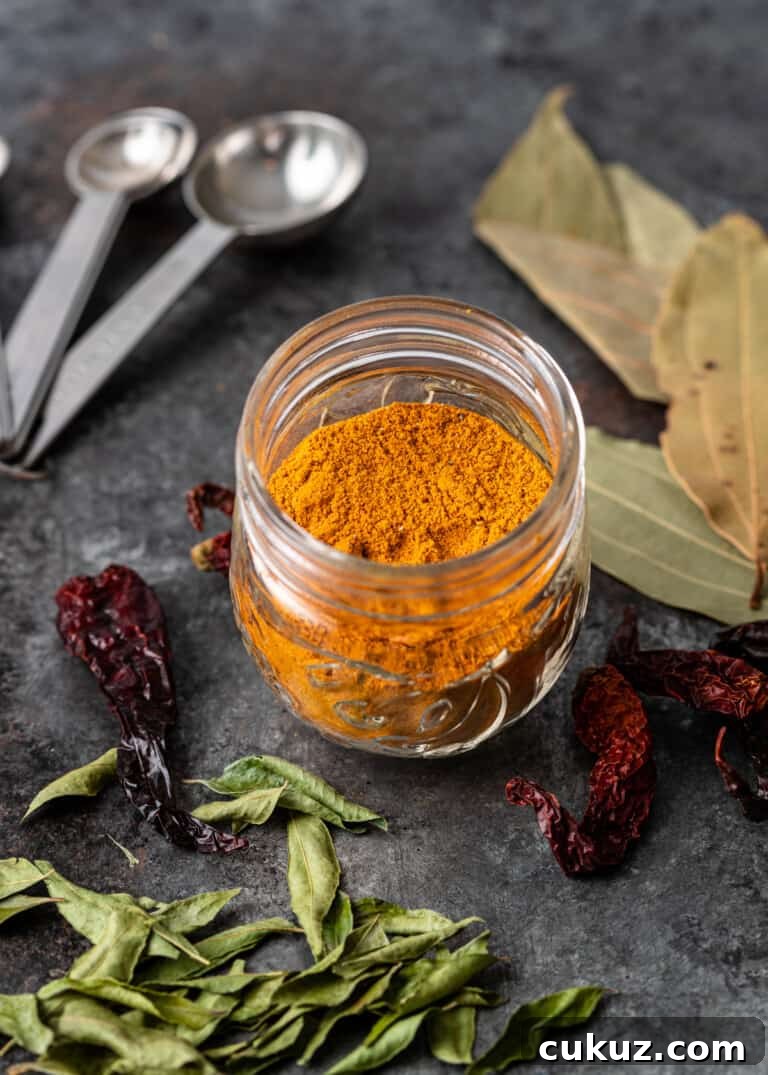
Curry powder recipes vary widely—no two jars are exactly the same. The blend below uses commonly available Indian spices that are practical and flexible. If you want to experiment, try adding or swapping one of these seasonings to adjust heat, sweetness, or aroma:
- Chili powder
- Fennel seeds
- Red pepper flakes
- Anise
- White pepper
- Bay leaves
Many ingredients can be adjusted to taste. Increase cayenne or chili for more heat, add a bit more cinnamon or coriander for sweetness, or substitute fennel for fenugreek if needed. Experiment until you find your favorite balance.
INGREDIENT NOTES AND SUBSTITUTIONS
- Turmeric – Gives the blend its signature golden color and earthy, slightly bitter warmth. It’s essential to the mix.
- Cumin – Adds a robust, slightly citrusy depth that anchors savory flavors.
- Coriander – Light and aromatic with a gentle sweetness that brightens the blend.
- Ginger – Warm and spicy-sweet, ginger contributes characteristic zing and should be included.
- Cinnamon – Provides warm, sweet-spicy notes; nutmeg or allspice can be used for variation.
- Dried mustard – Tangy and sharp, it lends a subtle tang that enhances sauces and marinades.
- Fenugreek – Slightly sweet with a licorice-like aroma; if unavailable, substitute fennel seeds.
- Black pepper – Adds background heat and balance.
- Cardamom – Fragrant and peppery, cardamom brings warmth and complexity.
- Cayenne – A small amount adds bright, fresh heat and color.
HOW TO MAKE MY CURRY POWDER RECIPE
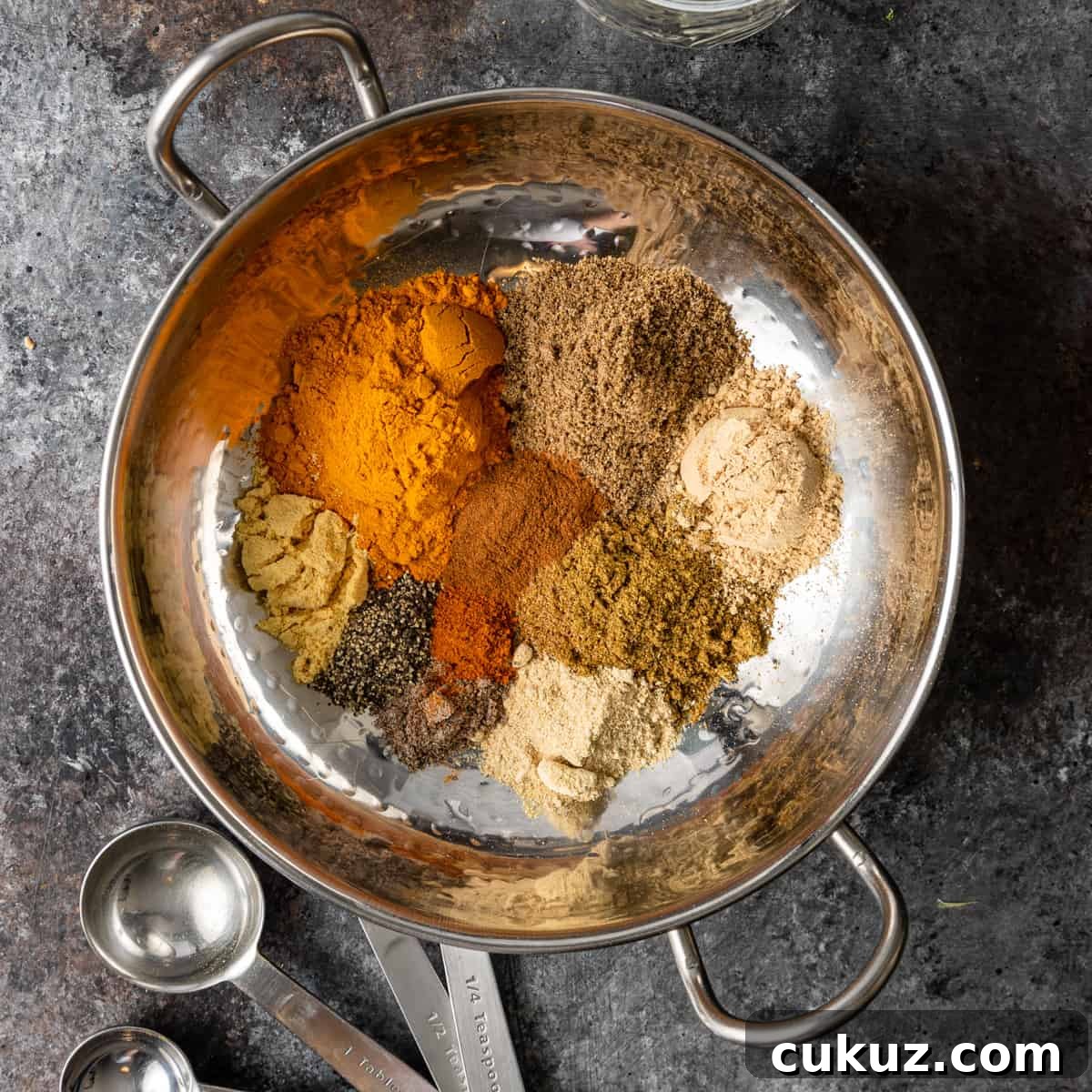
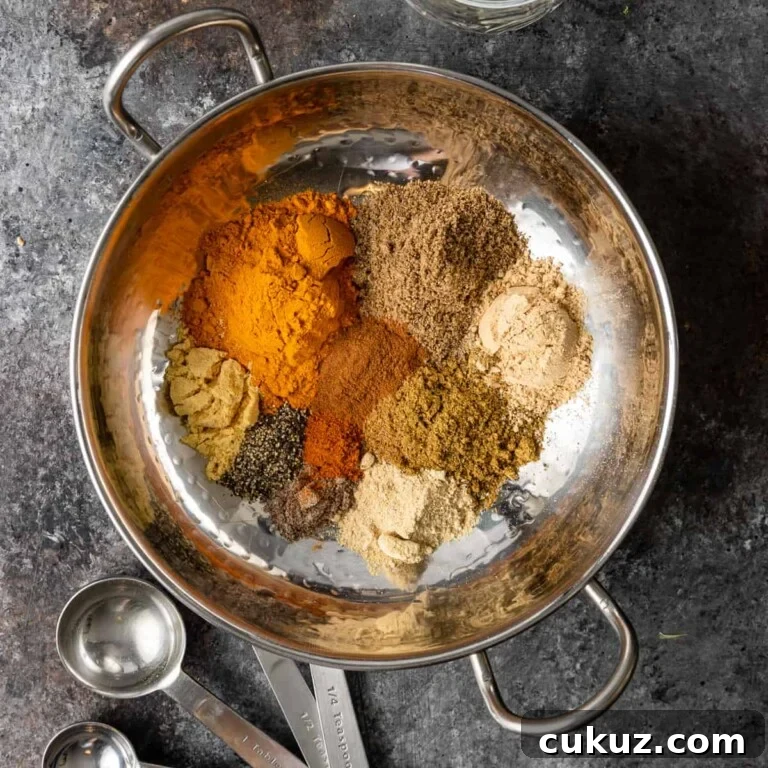
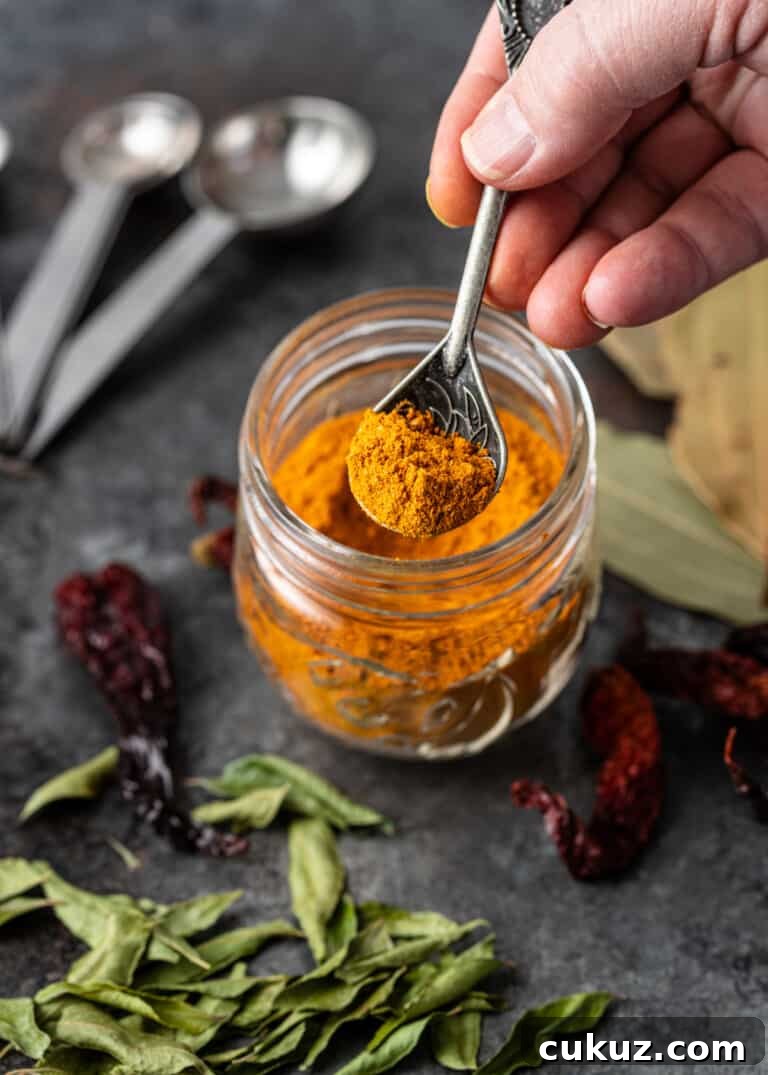
Mix All Ingredients Together. Combine ground turmeric, cumin, coriander, ginger, cinnamon, dry mustard, fenugreek, black pepper, cardamom, and cayenne. Whisk well, or pulse briefly in a spice grinder for a finer texture. Store the blend in an airtight container, such as a mason jar, in a cool, dark pantry. Use within three months for best flavor.
Is curry powder a thing in India?
Curry powder is not commonly used in traditional Indian kitchens. It was developed by British cooks who adapted Indian flavors for Western tastes. Indian cooks generally use specific regional spice blends and fresh spice combinations tailored to each dish.
In Western cooking, curry powder serves as a convenient shortcut to achieve an Indian-style flavor without assembling multiple individual spices every time.
What is curry powder made of?
Recipes vary by brand and household. This homemade blend combines turmeric, cumin, coriander, ginger, cardamom, cinnamon, fenugreek, dry mustard, black pepper, and a touch of cayenne for heat. The result is warm, aromatic, and versatile.
How do I use DIY curry powder in a dish?
Curry powder performs best when dissolved into a liquid—broth, coconut milk, yogurt, or tomato sauce—to release its flavors and infuse proteins and vegetables. Add it early in cooking so the spices have time to bloom.
Is garam masala the same as curry powder?
No. Garam masala is a traditional Indian spice mix featuring warm, aromatic spices like cloves, cinnamon, and cardamom. It has a different flavor profile and is often added at the end of cooking, whereas curry powder is a broader, Western-style blend used during cooking.
What is curry powder used for?
Use it anywhere you want warm, earthy spice: meat and vegetable marinades, sauces, soups, stir-fries, roasted vegetables, and of course, curries. It’s an easy way to elevate everyday dishes.
What is BIR curry?
BIR stands for British Indian Restaurant style curries—popularized curry sauces developed for flavor, speed, and economy. They refer to a style of dishes served in many British curry houses rather than a single specific spice mix.
Curry Powder Recipe
0.5 cup
5
5
PrintRecipe
Ingredients
- 3 tablespoons ground turmeric
- 2 tablespoons ground cumin
- 2 tablespoons ground coriander
- 2 teaspoon ground ginger
- 1 teaspoon ground cinnamon
- 1 teaspoon dry mustard
- 1 teaspoon ground fenugreek
- 1/2 teaspoon ground black pepper
- 1/2 teaspoon ground cardamom
- 1/8 teaspoon cayenne pepper
Instructions
-
Whisk all the spices together until evenly combined, or pulse briefly in a spice grinder for a finer powder. Transfer to an airtight container and store in a cool, dark place. Use within three months for best flavor.
Notes
Nutrition
|
Carbohydrates: 101 g
|
Protein: 22 g
|
Fat: 24 g
The nutrition values are estimates from an online calculator and should not replace professional advice.
Have You Made This Recipe? Let Me Know on Instagram
Tag @keviniscooking or use #keviniscooking