Understanding our children and how they differ from us — or how they resemble us in some ways — can dramatically improve our effectiveness as parents.
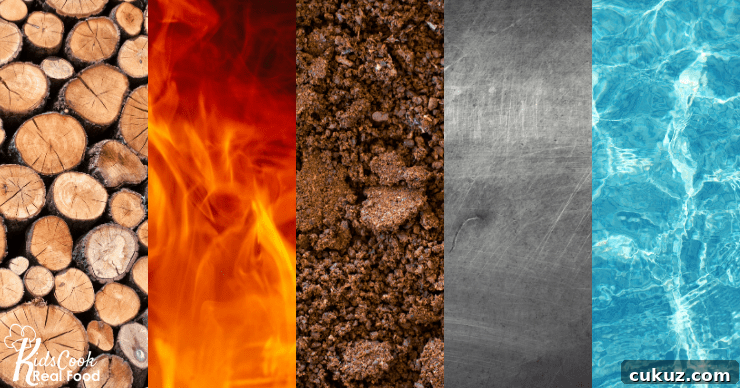
You may be familiar with personality labels like introvert and extrovert. Another useful lens is Traditional Chinese Medicine’s idea of a child’s primary “element.”
Robin Green brings this time-honored framework to modern parenting in a clear, practical way. In this interview you’ll learn how to use the 5-element perspective to better understand temperament, health tendencies, and everyday needs.
Key takeaways include:
- The Unwellness Gap — why so many children fall into a zone of chronic low-level health issues and what small changes can close that gap.
- How body, mind, and spirit interact in a child’s wellbeing — explained in practical, non-spiritual terms.
- How to identify which of the five elements best describes your child’s natural tendencies.
- Which foods and flavors tend to attract or challenge each type.
- How to gently guide eating habits using your child’s element so changes stick.
- Which element can actually benefit from screen time and how technology affects each type differently.
- A simple 2-minute Tuina technique you can use daily to help restore balance.
Watch the full conversation embedded below, and consider taking the 5-Element Questionnaire and downloading Robin’s free Elemental Parenting Guide to get more tailored suggestions.
Can’t view the video here? Search the same title on YouTube to watch.
If you don’t have time to watch the whole interview, here are the main points and timestamps to help you jump to the parts most relevant to your family.
Finding Your Child’s Element — Notes and Timestamps
- 0:22 — Introduction to how small, element-based tweaks can make discipline and daily life easier.
- 1:50 — Robin Green’s background: acupuncturist, author, and educator who applies Traditional Chinese Medicine to pediatrics.
- 3:05 — Robin explains how she came to focus on children’s health and family wellness.
- 5:33 — Clarifying that Chinese Medicine here refers to a traditional medical system focused on observation and pattern recognition, not a spiritual belief system.
- 6:14 — The Unwellness Gap: many children experience persistent, manageable symptoms that aren’t addressed by quick fixes; small consistent changes help.
- 9:53 — Increasing rates of food sensitivities and the limits of symptom-focused treatments; the value of addressing root causes.
- 12:05 — Contributing factors to the Unwellness Gap: changes in food quality, chemical exposures, convenience diets, and generational influences.
Chinese Medicine Principles for Parents
- 15:19 — A quick overview of TCM: observation of nature, the concept of Qi flowing along meridians, and the aim of identifying and restoring blocked flow.
- 18:18 — The interplay between body and emotions: physical imbalances can affect temperament, and strong emotions can manifest as physical issues.
- 19:26 — Practical examples of how these dynamics show up in children.
Understanding the 5 Elements in Children
- 20:15 — The five-element framework: each child typically has one dominant element and one or two secondary influences. An assessment can help identify which fits best.
- 20:46 — Knowing your child’s element helps anticipate temperament, prevent common issues, and tailor supportive strategies.
- 21:12 — The elements: wood, fire, earth, metal, and water. Wood and fire lean toward higher energy and drive; metal and water tend toward calm and reflection; earth is steadier and relational.
- 22:11 — Characteristic traits by element:
- Wood: active, goal-oriented, always in motion.
- Fire: dramatic, emotionally attuned, charismatic.
- Earth: nurturing, family-focused, sometimes prone to worry; often steady eaters but can be picky.
- Metal: orderly, routine-loving, sensitive to sensory input.
- Water: imaginative, introspective, sometimes slower to reach milestones as infants.
- 26:15 — You may notice overlap with familiar personality systems; the elements provide a physical-and-temperament lens together.
Food, Cravings, and Elemental Needs
- 27:52 — Food preferences and sensitivities often align with elemental tendencies. For example, wood types benefit from set meal times; metal types may struggle with textures.
- 31:25 — Parenting aims to help children adapt, but a small shift tailored to their element can make adaptation easier and more sustainable.
- 33:58 — Typical food patterns by element: fire types like bold flavors and can be picky; fire and earth types often wrestle with sugar and carbs; water types prefer warming and salty foods.
- 35:27 — While children’s cravings sometimes reflect genuine needs, caregivers may need to gently limit certain tendencies to support long-term health.
Four Basic Needs for Healthy Kids
- 35:59 — Four essentials: adequate sleep, consistent love and connection, nourishing food, and daily movement. Often addressing one of these—especially sleep—brings surprisingly large improvements.
- 36:46 — Sleep often gets overlooked. Prioritizing bedtime routines and sleep quality can resolve many behavioral and health concerns.
- 38:39 — Screen time affects elements differently. Water and wood types may be more vulnerable to gaming and need clearer boundaries; other types experience different pitfalls with tech.
- 41:59 — Water and wood children are often at higher risk for video game or screen overuse and benefit from firm, predictable limits.
- 44:13 — Self-awareness matters: when children understand their own tendencies, siblings and families can relate more compassionately.
- 45:48 — Involving kids in the kitchen helps them explore new foods outside the pressure of the dinner table and supports healthy habits.
- 48:28 — Robin offers free videos demonstrating Tuina massage techniques you can use at home; a short, two-minute daily routine can support digestion, sleep, and calm.
Resources and Practical Next Steps
- Explore assessment tools like the 5-Element Questionnaire to identify your child’s type and receive tailored guidance.
- Consider simple daily practices: predictable meal times, consistent sleep routines, element-informed food swaps, and a brief Tuina massage to improve balance.
- Prioritize the four basics—sleep, love, good food, and movement—before pursuing more specialized interventions.
Robin Ray Green, L.Ac, MTCM — acupuncturist, author, and speaker — helps parents use Chinese Medicine principles at home to find lasting solutions for common childhood health issues. Her work focuses on practical tools parents can apply without medicines, using observation, simple techniques, and lifestyle changes to support resilient, healthy children.