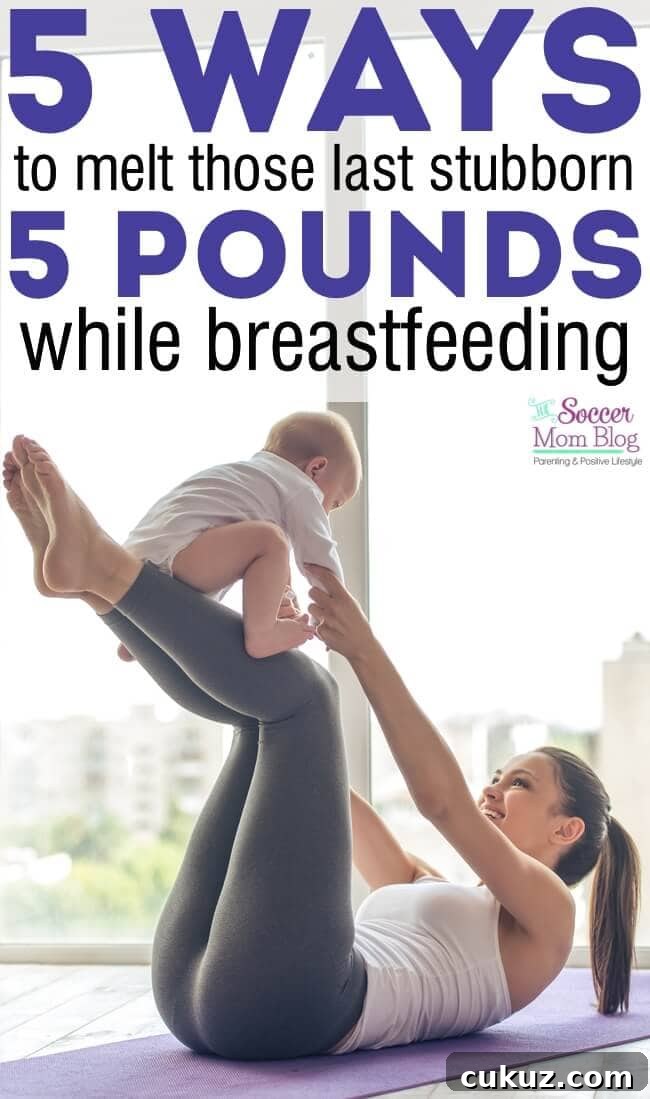
Forget the myths — here’s the truth about breastfeeding and weight loss. Learn how to lose pregnancy weight while breastfeeding without compromising your milk supply.
Since having my little one two years ago, I’ve written often about my efforts to lose and maintain my post-baby weight. The struggle is real, and along the way I’ve tried lots of tips aimed at breastfeeding moms. Some worked, some didn’t. Below I share the practical strategies that actually helped me shed pregnancy weight while keeping my milk supply steady.
What People Say About Losing Weight While Breastfeeding
You’ve probably heard someone claim that breastfeeding alone makes all the baby weight disappear. For a few lucky moms that’s true, but it’s not a universal rule.
Myth: Breastfeeding burns tons of calories so you can eat whatever you want.
Some women do seem to return to their pre-pregnancy shape with minimal effort, but many of us don’t. Relying solely on breastfeeding to melt the pounds is unrealistic for a lot of mothers.
Fact: Breastfeeding does burn calories, but the amount varies.
Nursing typically burns roughly 200–500 calories per day, depending on factors like how often you nurse, your milk production, and individual differences. So while breastfeeding contributes to calorie expenditure, it isn’t a guaranteed path to weight loss for everyone.
When breastfeeding burns more calories
- You’re exclusively breastfeeding (frequent feedings each day).
- You have a robust milk supply.
- Your baby is younger and not consuming formula or solids.
How many calories should you eat while breastfeeding?
Especially until your milk supply is well established, avoid strict dieting. You need sufficient calories to support both you and your baby. For many moms, roughly 2,000 calories per day (give or take) is a reasonable target, but individual needs vary. Focus on nourishing, balanced meals rather than extreme calorie restriction.
Why You Might Not Be Losing Weight While Breastfeeding
If you’re nursing consistently but the scale won’t budge, the cause may be beyond simple willpower. Here are common reasons.
1. Genetics
Genetics influence how much weight you gain in pregnancy and how quickly you lose it afterward. I gained about 45–50 pounds with each pregnancy and it took me a similar amount of time to lose the weight both times. Some bodies shed pounds more easily; others need more time and consistent effort.
2. Hormones
Prolactin, the hormone that supports milk production, can also slow metabolism and make it harder to lose that last bit of baby weight. It’s your body’s way of holding onto energy stores while feeding your infant.
3. Lifestyle
Genetics and hormones are largely out of your control, but lifestyle changes can make a meaningful difference. Small, sustainable adjustments to eating, hydration, and activity can help you lose weight without jeopardizing milk supply. I worked out regularly and avoided dairy and gluten, yet I still struggled until I tweaked a few habits.
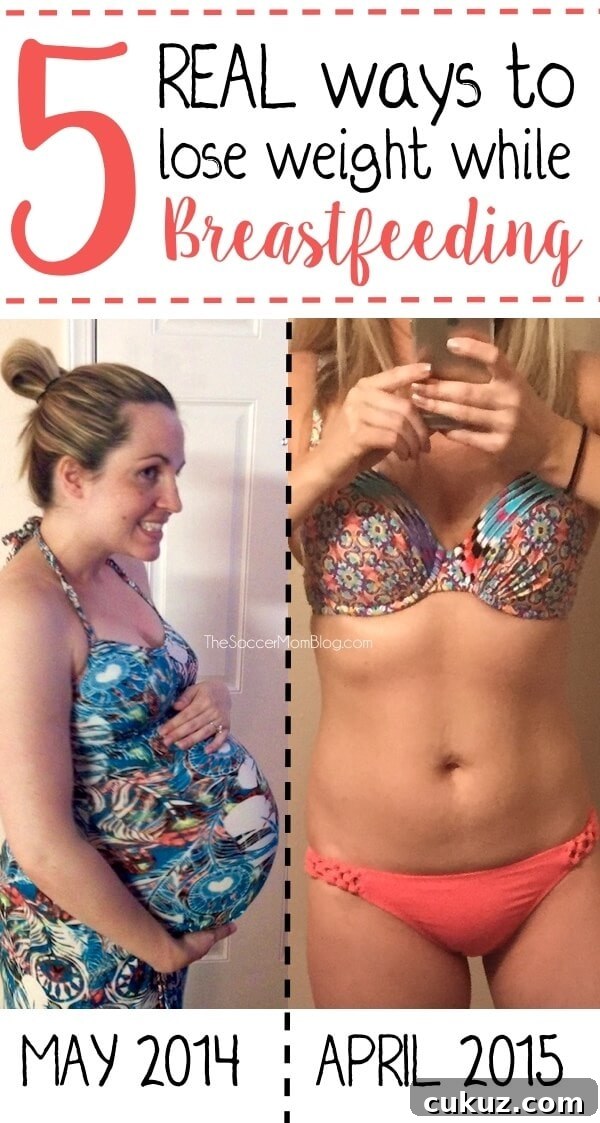
Once I adjusted my routine, the results finally showed: about eleven months after delivery I fit back into my pre-baby pants. It took time and consistency, but it was achievable.
How to Lose Weight While Breastfeeding Without Losing Milk Supply
Here are practical, safe strategies that helped me lose my baby weight while preserving my milk supply. These are simple, sustainable habits rather than extreme diets.
1. Eat breakfast
Breakfast kick-starts your metabolism after a night of fasting. Skipping it can leave your metabolism sluggish and increase the likelihood of overeating later. Aim for a balanced morning meal with fruit, vegetables, protein, and whole grains. If mornings are hectic, keep easy, grab-and-go options on hand.
- Keep a few reliable, healthy recipes bookmarked so you can prepare food quickly.
- Stock nutritious grab-and-go options for busy mornings to avoid unhealthy convenience foods.
2. Drink plenty of water
Breastfeeding increases your fluid needs, and dehydration can be mistaken for hunger. Staying well-hydrated helps control appetite, supports milk production, and generally makes you feel better. If plain water is unappealing, try adding fruit slices for flavor, and keep a water bottle nearby to remind you to drink.
3. Squeeze in exercise wherever you can
Short sessions of movement add up. Do glute squeezes while nursing, take brisk stroller walks, or fit in brief home workouts during naps. Even five minutes of targeted exercise daily can help. Regular activity improves mood, supports weight loss, and can help prevent postpartum mood challenges.
If you prefer structured programs, choose one that fits your schedule. I found short, intense programs effective because they’re manageable for busy parents.
4. Avoid late-night snacking
Your metabolism slows in the evening, so nighttime snacking—healthy or not—can undermine weight loss. Skipping food after dinner can help you feel hungrier for a nutritious breakfast and reduce overall daily calorie intake.
5. Evaluate what you’re eating
Quality matters as much as quantity. Focus on nutrient-dense foods: vegetables, fruits, lean proteins, healthy fats, and complex carbohydrates like quinoa. When you fill up on nutritious options, you’ll be less likely to crave processed or sugary foods.
I didn’t count calories while breastfeeding, but I chose whole foods that supported both my energy and my milk supply. Small, consistent improvements in food choices made a noticeable difference over time.
Keep Going
Be patient and consistent. Losing pregnancy weight takes time—sometimes many months—and it requires steady effort. Don’t get discouraged if progress is slow; gradual, healthy loss is sustainable and safer for you and your baby.
I achieved my results through regular activity, improved food choices, good hydration, and by avoiding extreme dieting. It wasn’t quick, but it was real and maintainable. You can do this too.
Disclaimer: This is based on personal experience and not medical advice. Consult your healthcare provider before starting any new diet or exercise routine while breastfeeding.
More posts that may interest you: