Fat is one of the most misunderstood macronutrients, and the mixed messages from media and social circles don’t help. Some people push high-fat diets while others recommend very low-fat approaches. You may hear advice to eat more “good fats” or warnings that certain foods are “fattening.” The truth is more nuanced: fat is an essential part of a balanced diet, and understanding which fats to prioritize can make feeding your family easier and healthier.
This article cuts through the noise and explains, based on evidence, which fats and oils are good choices for children and adults, how to use them in the kitchen, and how to think about seed oils and processed foods.
Why Kids (and Grown-Ups!) Need Fats
Fat is important. It’s one of the three macronutrients our bodies need to grow, develop, and function. While some fats are healthier than others, that doesn’t mean any food must be completely off limits—less nutritious fats can still be part of a balanced family diet in moderation.
Here are a few key reasons to include fat at meals:
It makes meals more satisfying and filling
Meals low in fat often leave kids asking for snacks soon after eating. Including an appropriate source of fat helps meals feel more satisfying and reduces frequent snacking.
Especially for young children, it’s essential
Young children’s brains and nervous systems are developing rapidly and require dietary fat to support that growth. For that reason, major pediatric organizations advise against restricting fat in children under two years old. Even after turning two, around 30% of total calories coming from fat is a reasonable target; practically, including a source of fat at each meal usually achieves this.
It helps absorb fat-soluble vitamins
Vitamins A, D, E, and K need dietary fat for proper absorption. That’s another reason to include fat with meals.
For children under two, full-fat dairy is recommended because of its nutrient profile and energy density. After age two, choosing full-fat or low-fat dairy is a personal preference.
My Go-To Healthy Fats and Oils for Kids
Healthy fats typically come from plant foods, nuts, seeds, and fatty fish. I usually use plant-based oils for cooking but also use butter or bacon occasionally. No food needs to be completely forbidden.
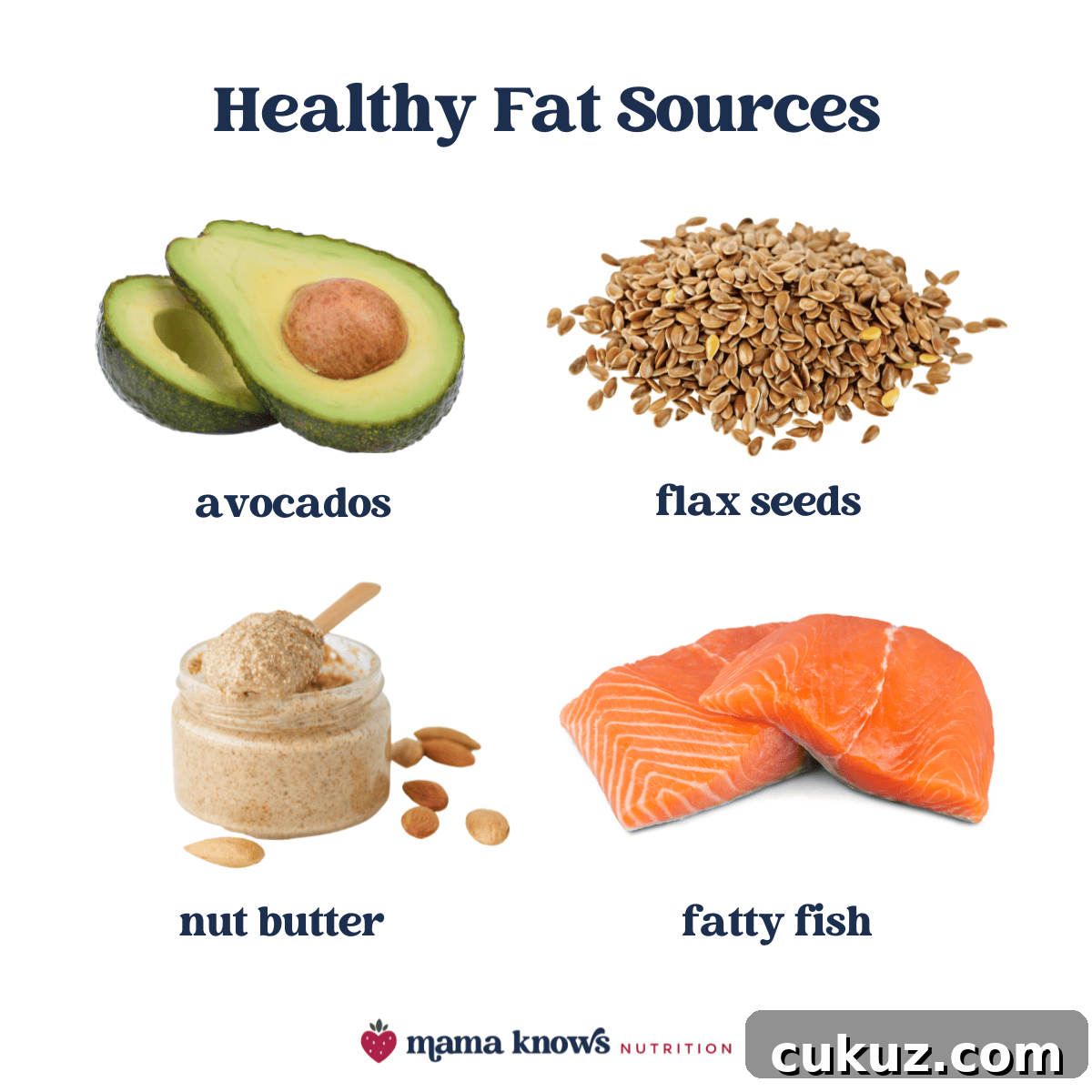
Common, nutrient-dense choices I use often:
- Oils or butter for sautéing, baking, and roasting (I avoid deep-frying at home)
- Nut butters
- Ground nuts (whole nuts can be a choking hazard for toddlers)
- Whole milk dairy products: yogurt, cottage cheese, milk, cheese
- Avocados
- Fatty fish such as tuna, salmon, and sardines
- Ground flaxseed
- Chia seeds (ground or whole)
- Olives
These foods are nutrient-dense and help meals feel filling. They’re versatile: cook with oil, serve fatty fish as a main, or add nuts and seeds to yogurt and toast to include a fat at every meal.
Unsaturated vs. Saturated Fats
Unsaturated fats are typically liquid at room temperature (olive or avocado oil) and are associated with lower risk of heart disease and stroke. It’s sensible to favor unsaturated fats while still allowing some saturated fats in moderation.
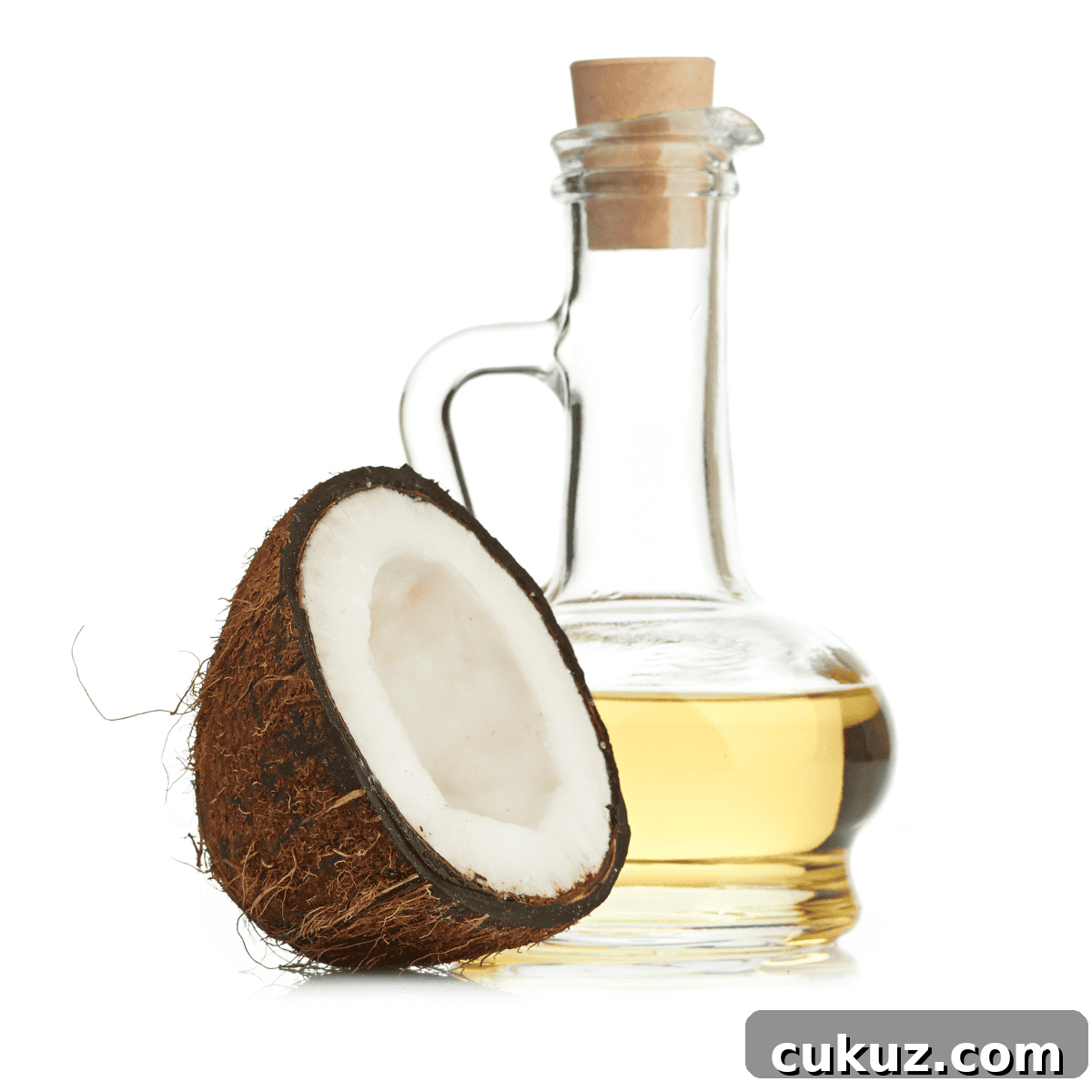
All fats contain both types to some degree; we categorize them by which fatty acids predominate. For example, coconut oil is high in saturated fat, while olive oil is primarily unsaturated.
Dairy fat tends to be more saturated, but dairy also provides protein, calcium, and other nutrients. You don’t need to avoid saturated fat entirely—aim for more unsaturated fats overall.
Saturated fats to limit
Foods rich in butter, cream, and lard, along with many processed and fatty meats (bacon, sausage, hot dogs), are higher in saturated fat and are best eaten less frequently. Think of them as occasional flavors rather than daily staples.
What about butter and coconut oil?
Butter and coconut oil can be used occasionally, but they are high in saturated fat (butter ~60–70% saturated; coconut oil ~90%). Research shows replacing saturated fats with unsaturated fats lowers cardiovascular risk, so prioritize unsaturated options most of the time.
My Favorite Oils
Two of my top choices are avocado oil and olive oil because they are unsaturated and versatile.
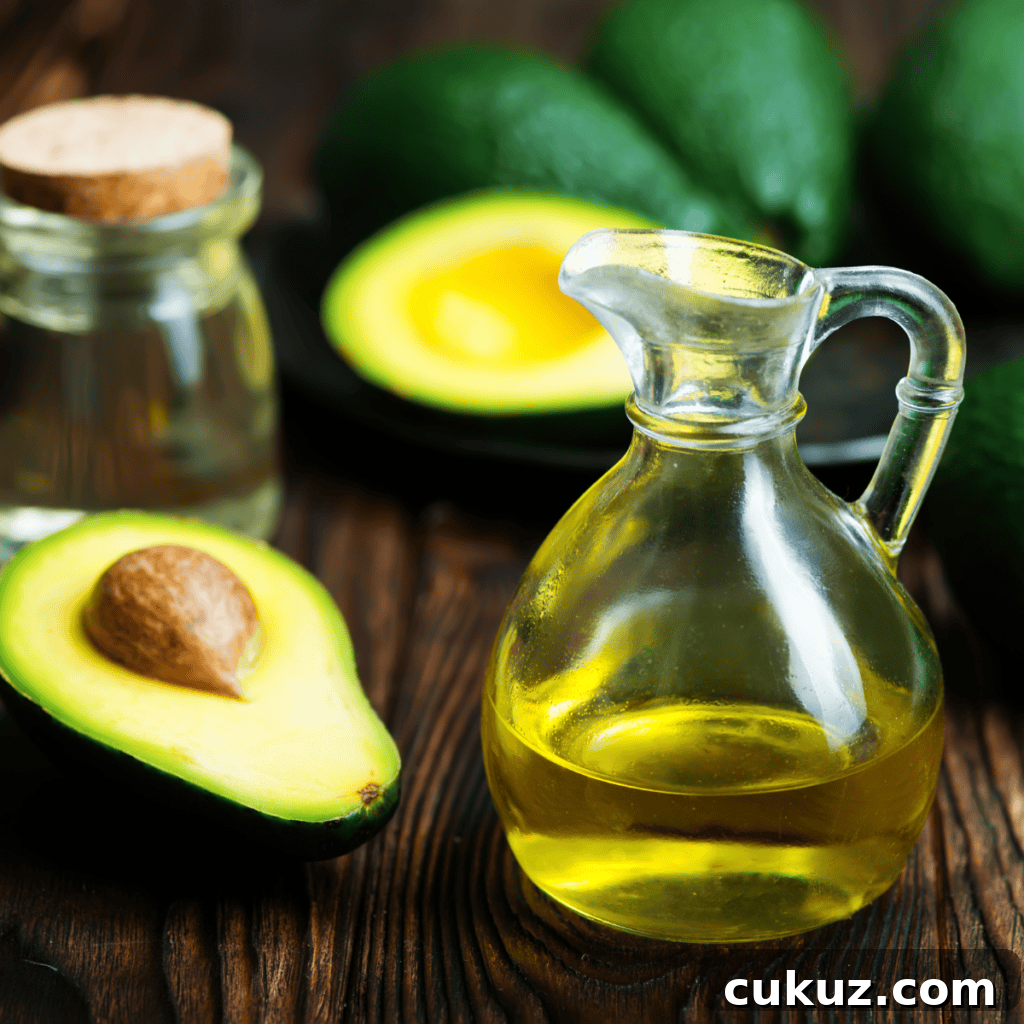
Avocado Oil
Why I like avocado oil:
- It’s an unsaturated, heart-healthy oil.
- Neutral flavor works well for baking and recipes where you don’t want to change the taste.
- High smoke point (around 520°F), so it remains stable when cooking at higher temperatures.
Shopping tip: buying larger bottles can be economical.
Olive Oil
Olive oil is another excellent unsaturated choice. Different types work for different uses:
- Extra-virgin olive oil is ideal for dressings and low-heat or no-heat uses.
- Light or refined olive oil has a higher smoke point and is better for cooking.
Other choices to use sometimes
- Canola oil
- Sunflower oil
- Peanut oil
- Sesame oil
When To Use Each Oil
For baking: use a neutral-tasting oil such as avocado oil, extra light olive oil, or canola oil.
For sautéing or pan-frying: choose an oil with a higher smoke point like avocado oil, canola, or sunflower oil.
For dressings, vinaigrettes, and finishing: extra-virgin olive oil is a great choice because it shines in uncooked or low-heat applications.
Are Seed Oils Bad for You?
Seed oils (often called vegetable oils) have been criticized recently, but the concern is often misplaced. Common seed oils include canola, corn, soybean, sunflower, safflower, grapeseed, and rice bran oil.
Why the criticism?
Omega-6 content
Seed oils tend to be higher in omega-6 fatty acids, which some claim are inflammatory. However, omega-6 fats are essential and research shows replacing saturated fat with polyunsaturated fat (including omega-6) reduces cardiovascular disease risk. Both omega-3 and omega-6 have protective roles, though emphasizing omega-3 intake is also important.
Concerns about instability and rancidity
Unstable or rancid oils are a valid concern, but they can be managed: avoid heating oils past their smoke point, don’t reuse frying oil repeatedly, store oils in a cool, dark place, and replace any oil that tastes stale or bitter.
Can seed oils be part of a healthy diet?
Seed oils are commonly found in fried and packaged foods, which tend to be high in salt, refined carbs, and added sugars. The problem is usually the overall processed food, not the oil by itself. Rather than demonizing seed oils, focus on reducing ultra-processed foods and prioritizing whole, minimally processed foods. Seed oils can fit into a balanced diet.