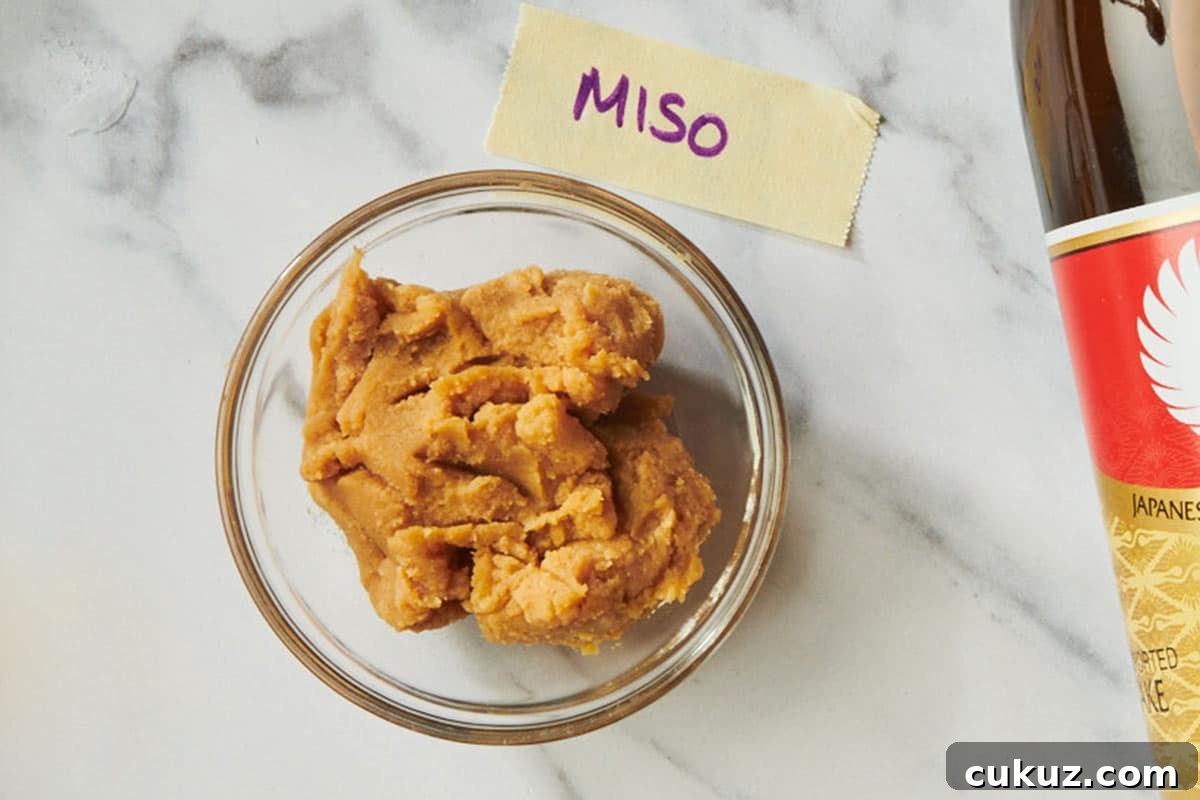
Miso is one of those pantry staples that instantly improves a dish. Salty, savory, and deeply comforting, its concentrated umami can elevate soups, sauces, dressings, glazes, and roasted vegetables. The key is using it with care: too much heat or prolonged cooking can dull its brightness or make it taste flat and bitter.
Once you learn a few simple rules—chief among them, never boil miso—you’ll find it easy and versatile. Added at the right moment, it lends depth without overwhelming the other flavors.
- What Is Miso?
- Miso in Everyday Cooking
- Kitchen Smarts
- My Favorite Miso Recipes!
- FAQs — Cooking with Miso
- More Cooking Basics
What Is Miso?
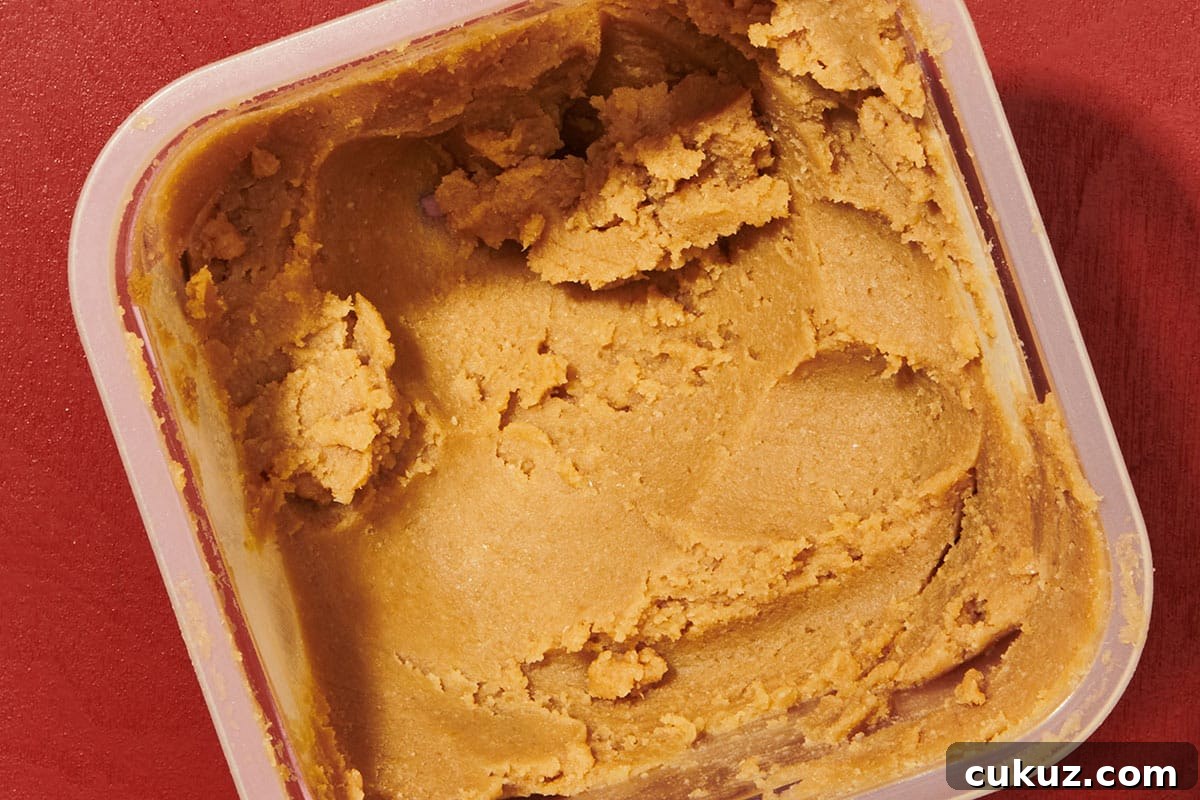
Miso is a fermented paste made primarily from soybeans, often blended with rice or barley, salt, and the fermentation starter koji. The fermentation produces complex savory flavors and natural enzymes. Miso varieties differ in color and strength, which affects how you should use them in cooking:
- White (Shiro) Miso: Mild and slightly sweet. It’s great for everyday use—soups, dressings, light sauces, and whenever you want a gentle umami lift without overpowering other ingredients.
- Red (Aka) Miso: Darker and more assertive. Red miso is saltier and richer, making it ideal for robust stews, strong marinades, and dishes that can handle a bolder flavor.
- Brown / Mixed (Awase) Miso: A blend of white and red miso that balances sweetness and depth. It’s versatile and a reliable choice when you want body and complexity without extremes.
Add Miso at The End

The cardinal rule for cooking with miso is simple: don’t boil it. High heat destroys delicate flavors and the beneficial enzymes that make miso special, and can leave the paste tasting flat or bitter. Instead, remove your pot from the heat and stir in the miso toward the end of cooking, tasting and adjusting as needed.
If you’re adding miso to a hot liquid, a quick shortcut is to whisk it into a small amount of warm (not boiling) broth or water to make a smooth slurry, then stir that into the main pot. This helps it incorporate evenly without clumping.
Miso in Everyday Cooking
- Soups: Combine miso with dashi or a vegetable broth for instant comfort. Add silken tofu, greens, and scallions for an easy, nourishing meal.
- Marinades & Glazes: Miso mixes well with soy, mirin, citrus, or a touch of honey to create savory-sweet glazes for fish, chicken, or roasted vegetables.
- Dressings & Sauces: Use miso to thicken and enrich vinaigrettes and creamy dressings. It pairs beautifully with sesame, lemon, or yogurt-based sauces to add complexity.
- Quick Flavor Booster: A teaspoon of miso stirred into mashed potatoes, scrambled eggs, or roasted root vegetables adds an immediate umami lift without changing the dish’s character.

Kitchen Smarts
- Store miso in the refrigerator; it keeps for months and often longer when sealed tightly.
- Resist the temptation to double the miso called for in a recipe. Because it’s concentrated and salty, too much can overwhelm a dish.
- Lean on white miso for everyday, subtle flavor and choose red miso when you want a pronounced, savory punch.
My Favorite Miso Recipes!
Avocado Salad with Creamy Miso Dressing
Miso-Glazed Scallops
Miso-Glazed Japanese Eggplant
FAQs — Cooking with Miso
No. High heat diminishes miso’s flavor and can destroy beneficial enzymes. Always add miso at the end of cooking, or dissolve it first in warm (not boiling) liquid to make a slurry.
Choose white miso for mild, everyday use and red miso for richer, heartier dishes. When in doubt, a blended (awase) miso offers balanced flavor for most recipes.
Refrigerated miso keeps for months and often for a year or more. Keep it sealed tightly and use a clean spoon to avoid contamination.
Yes, you can, though it’s usually unnecessary. Because miso stores so well in the fridge, buying smaller containers and using them regularly is often more convenient.
A little goes a long way. Start with a small amount, taste, and add more if needed to reach the desired balance.
Miso is naturally resistant to spoilage because of fermentation and salt. It may darken and deepen in flavor over time, which is normal. If you see mold or detect a genuinely rancid smell—not just the expected pungent aroma—discard it. To maximize shelf life, press plastic wrap against the surface before replacing the lid, keep it tightly sealed, and always use a clean utensil.
More Cooking Basics
- Cooking with Mirin — a sweet rice wine that pairs well with miso-based glazes and sauces.
- Tips and Tricks for Cooking with Fresh Ginger — ginger brightens and complements miso’s savory notes.
- How to Cook With Yuzu — citrusy yuzu is an excellent counterpoint to miso’s depth.
- Lemongrass Cooking and Prep Tips — use lemongrass for fragrant, layered dishes that work well with miso accents.
- What Is Marsala Wine and How to Use It in Cooking? — another pantry ingredient that can add complexity alongside miso in fusion dishes.