I’m a light sleeper and nothing frustrates me more than waking several times a night, then tossing and turning trying to fall back asleep. Over the years I’ve tried many approaches to achieve uninterrupted deep sleep, and the most consistently helpful tool I’ve found is aromatherapy using essential oils.
This content is supported by readers purchasing featured products. When you buy through links on this page, I may earn a commission at no extra cost to you. See the site’s affiliate disclosure for details.
Essential oils offer many benefits, but which ones genuinely support sleep — and which are safe to use in a diffuser? Below are ten tried-and-true diffuser blends designed to promote relaxation and help you drift into a restorative night’s rest.
10 Essential Oil Diffuser Recipes for Sleep

1. Dreamer’s Delight
- 5 drops Lavender oil
- 3 drops Vetiver oil
- 2 drops Ylang Ylang oil
2. Snores and More
- 1 drop Lavender oil
- 1 drop Bergamot oil
- 1 drop Cedarwood oil
- 1 drop Frankincense oil
- 1 drop Patchouli oil
- 1 drop Vetiver oil
- 1 drop Sweet Orange oil
3. Sleep is in the Air
- 5 drops Lavender oil
- 3 drops Vetiver oil
- 2 drops Frankincense oil
- 2 drops Cedarwood oil
- 3 drops Geranium oil
4. Sleep and Snuggles
- 2 drops Lavender oil
- 3 drops Cedarwood oil
- 1 drop Vetiver oil
- 2 drops Bergamot oil
5. Bye, Bye Insomnia!
- 2 drops Lavender oil
- 2 drops Cedarwood oil
- 1 drop Neroli or Petitgrain oil
6. Tuck in Potion
- 2 drops Rose oil
- 1 drop Palmarosa oil
- 2 drops Vetiver oil
- 2 drops Lavender oil
- 1 drop Cedarwood oil
7. Dozing Off
- 2 drops Tea Tree oil
- 4 drops Lavender oil
- 2 drops Ylang Ylang oil
8. Dream On
- 2 drops Ylang Ylang oil
- 1 drop Bergamot oil
- 1 drop Roman Chamomile oil
- 1 drop Valerian oil
- 1 drop Lavender oil
- 1 drop Sweet Marjoram oil
9. Nature’s Pacifier
- 3 drops Bergamot oil
- 2 drops Lavender oil
- 1 drop Cedarwood oil
- 1 drop Vetiver oil
10. Oh, Night Divine!
- 4 drops Cedarwood oil
- 1 drop Pine oil
- 1 drop Cypress oil
- 1 drop Lavender oil
With just a few bottles of essential oils and a diffuser, you can experiment to find blends that improve your sleep quality and duration. Responses vary by individual, so try a few combinations and adjust ratios to suit your preferences.
Lavender’s Lullaby Effect
Lavender is the most commonly studied essential oil for sleep and relaxation. Its calming, anxiolytic, and mild sedative effects can support falling asleep and staying asleep for many people.
Not all lavenders are the same: Lavandula angustifolia is typically associated with restful, sedative effects, while Lavandula latifolia may be more stimulating for some individuals. Check the botanical name on the bottle when choosing a sleep-promoting lavender.
When selected and used appropriately, lavender essential oil is generally well tolerated and can be a valuable component of an evening routine to support relaxation.
Other Essential Oils That Help with Sleep
This is an original picture. Credit the source if you reuse it.
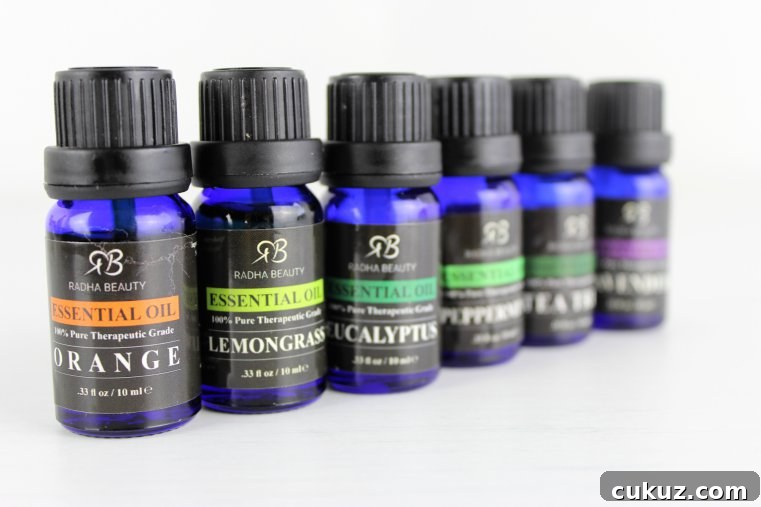
Besides lavender, several other essential oils can support relaxation and sleep. Here are a few commonly used options and why they help:
Frankincense
Frankincense has a grounding, calming aroma and is often used to ease stress, tension, and anxiety, making it useful for creating a restful atmosphere.
Cedarwood
Cedarwood offers a warm, woody scent that can promote serotonin release, which encourages melatonin production. That natural melatonin supports deeper sleep cycles.
Bergamot
Bergamot produces a calming, uplifting effect that reduces tension. If bergamot isn’t available, clary sage is a similar alternative for relaxation and mood balance.
Scent strongly influences mood and physiology through the olfactory system. Aromatherapy uses this connection to reduce stress and improve sleep quality by carefully blending essential oils chosen for their calming properties.
Why Aromatherapy?
 Aromatherapy offers a gentle, non-pharmaceutical option to support better sleep. Clinical and anecdotal evidence suggests it can be effective in varied settings, including among people with chronic illness or those who struggle with conventional sleep aids.
- Studies report improvements in sleep quality and continued use of aromatherapy among participants in clinical settings.
- Healthcare systems are increasingly exploring aromatherapy as a complementary therapy because of its low risk and potential benefits.
- Most calming essential oils help reduce stress and anxiety without the grogginess often associated with some sleeping medications.
- Aromatherapy can remain effective where some sedatives lose potency over time, making it a useful part of a long-term sleep strategy.
Conclusion
Give these ten diffuser recipes a try to discover which blends help you achieve a deeper, more restorative night’s sleep. Start with small quantities and adjust the combinations to match your preferences and sensitivity.
Feel free to share your experiences with these blends and which combinations worked best for you.