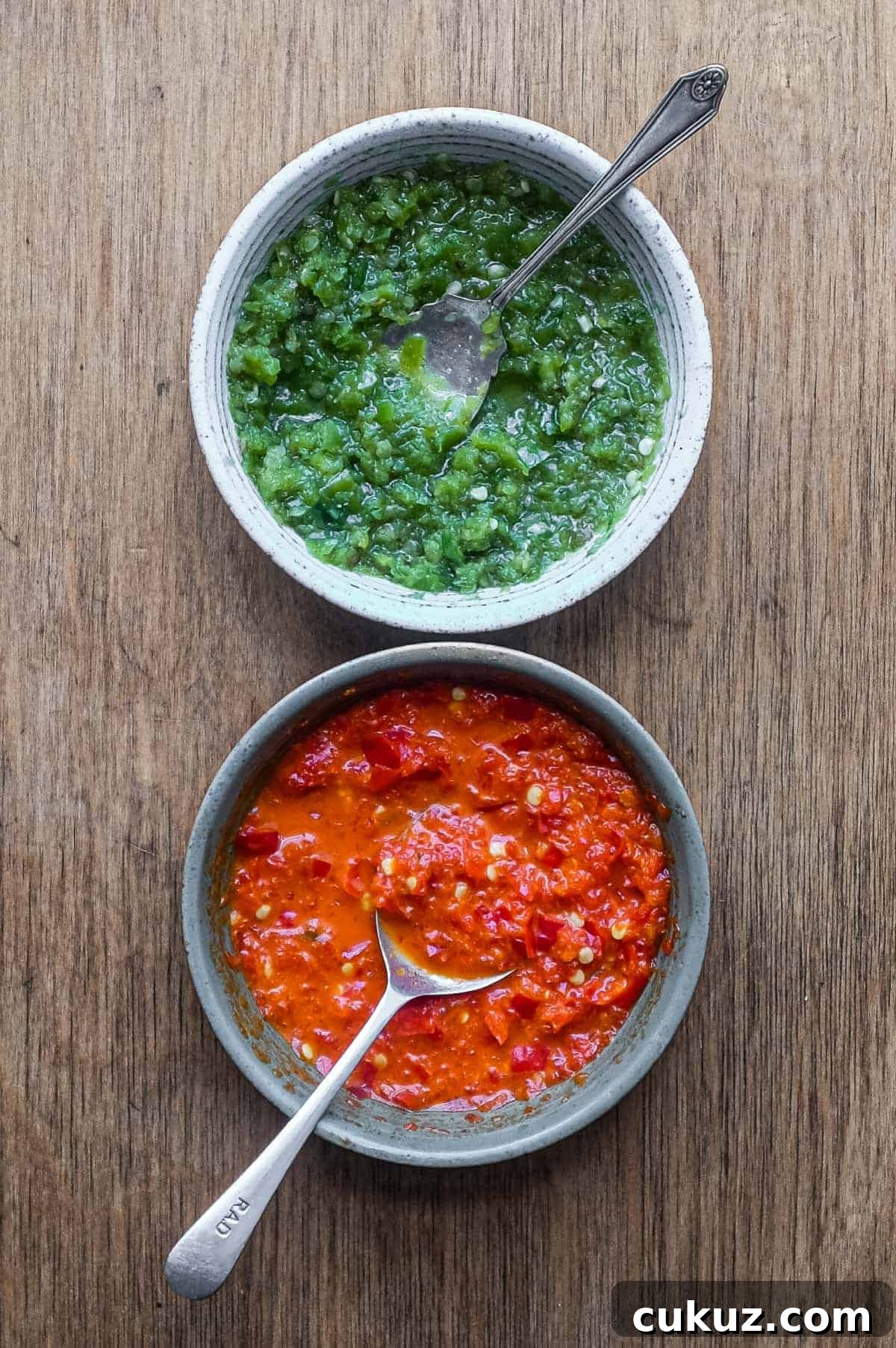
Shatta Sauce (Middle Eastern Chilli Sauce)
By Lee Jackson ↣ Published on: June 29, 2024
↣
0 Comments
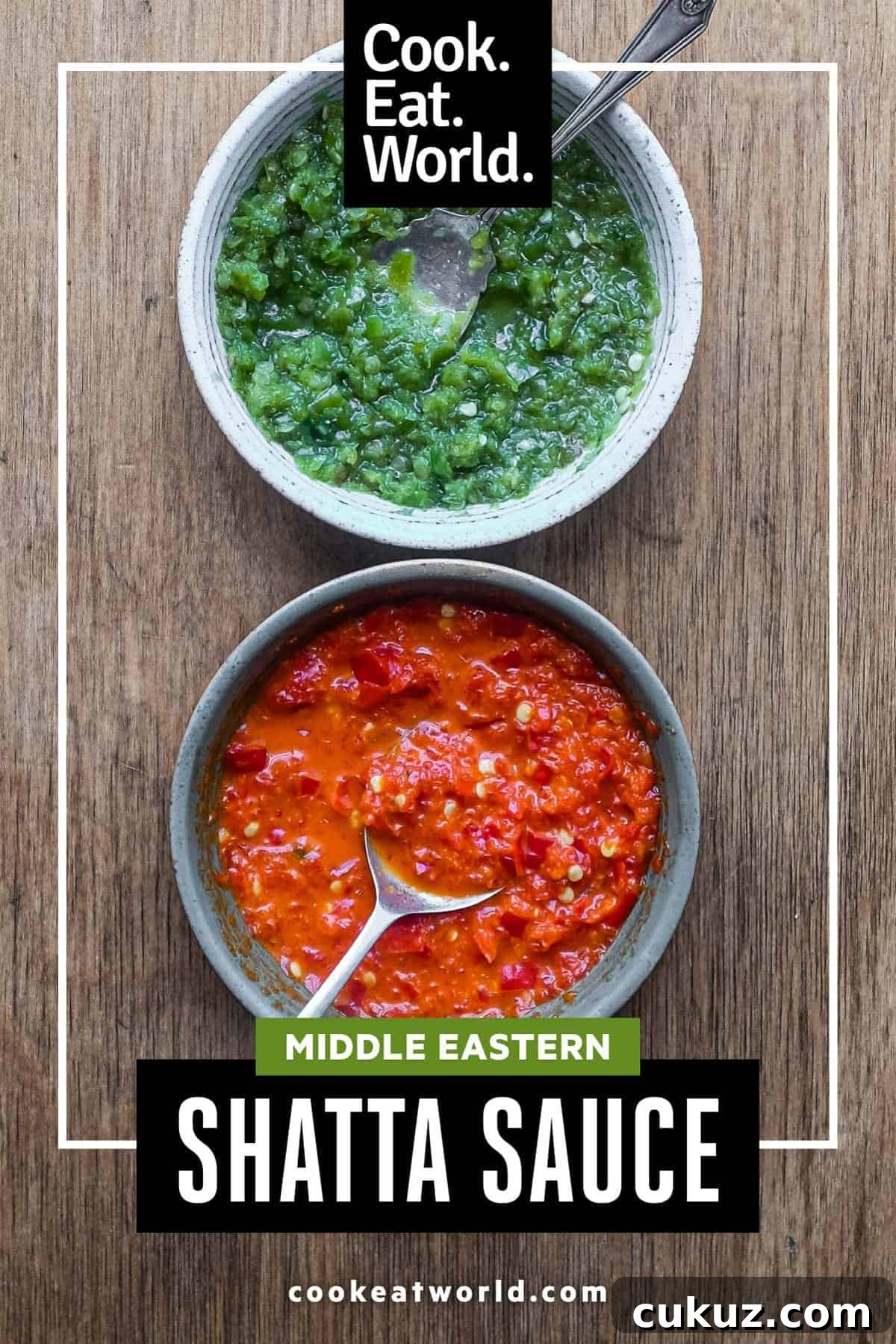
My authentic Levantine shatta is a vibrant Middle Eastern chilli sauce or paste. Lightly fermented, it has bold flavour and heat and makes a wonderful condiment for labneh, eggs, grilled or roasted meats, and wraps.
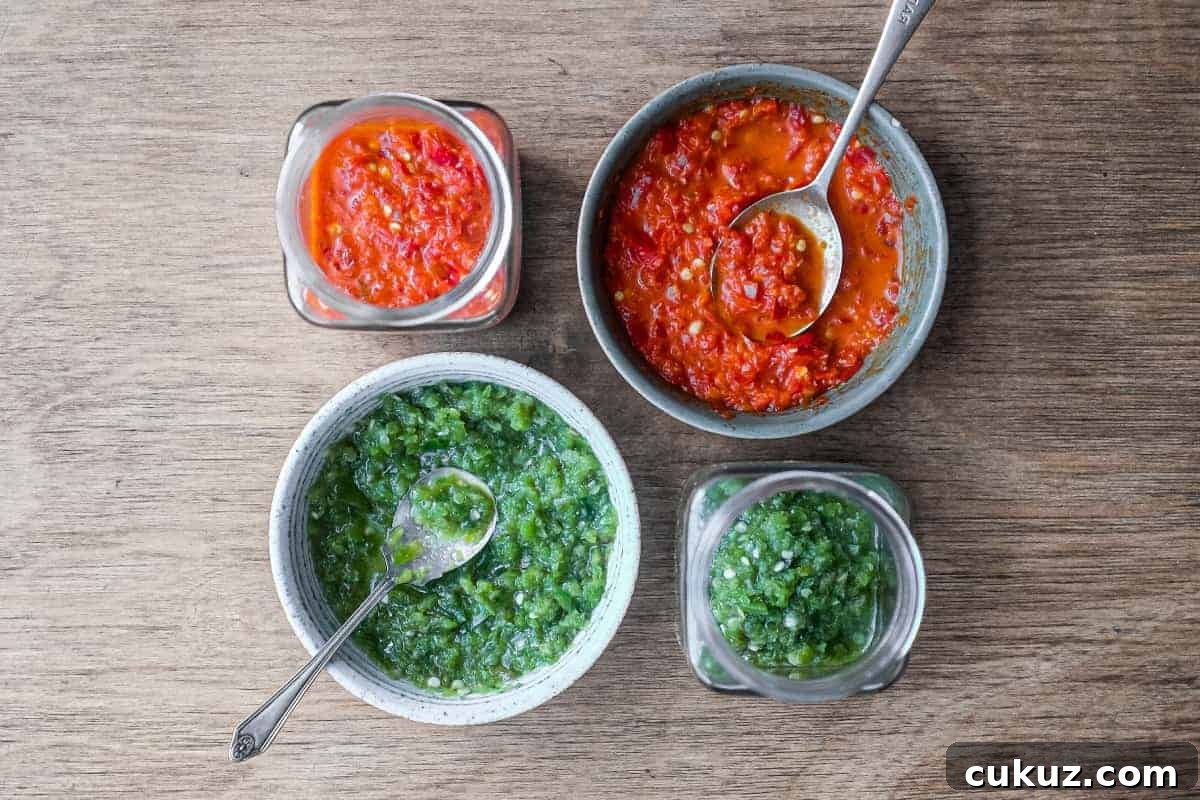
Middle Eastern cuisine is wonderfully varied and many dishes complement each other. Condiments and sauces add life and depth — and homemade shatta is one of the best. Spicy, fresh and zesty, shatta comes in red or green versions and brings heat, sweet pepper notes and bright acidity to plates. I love it on charred meats and vegetables or spooned over crisp fried eggs. Any Middle Eastern spread benefits from a small bowl of shatta to lift the flavours.
This recipe is part of the Mediterranean collection and the Mediterranean Salads & Vegetables collection, where you’ll find more flavourful recipes.
What’s Ahead?
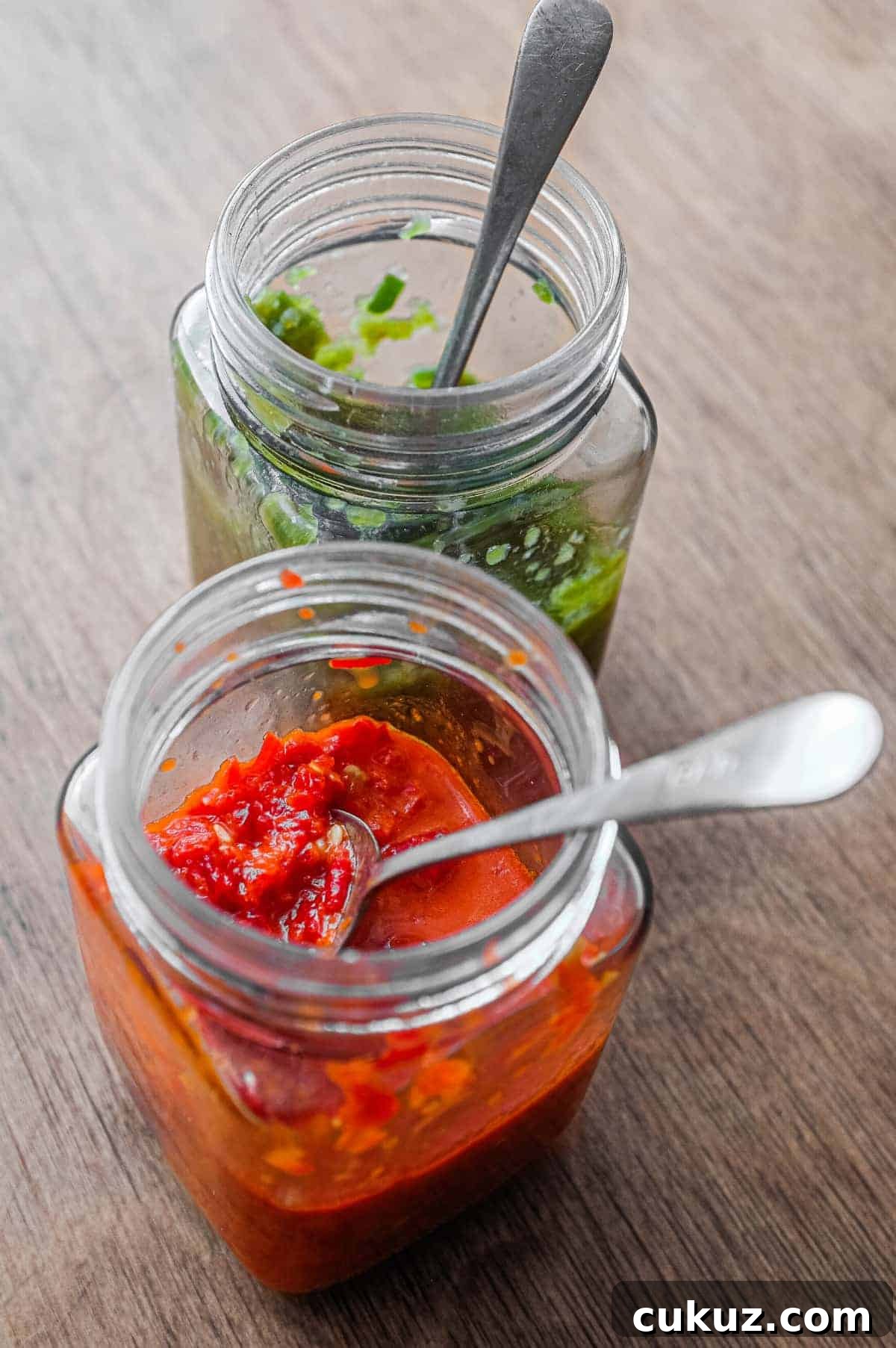
Red or green Shatta?
Choose red or green depending on the flavour and appearance you want. Both can be mild or fiery — mix sweet bell peppers with mild chiles for a gentler sauce, or use hotter varieties for more heat. Always taste a small piece of fresh chilli first so you can judge its heat.
- Hot chillies: Habanero, Cayenne, Scotch Bonnet, Arbol, Fresno, Jalapeno, Thai/Birdseye, Indian peppers, Serrano
- Mild chillies: Anaheim, Poblano, Red or green bell-pepper (capsicum), Banana peppers, Sweet Italian, Hatch
Why it works?
Versatile flavour boost — shatta lifts other dishes in a Middle Eastern or Mediterranean spread. It’s an optional but welcome spicy element that works beautifully in wraps, on grilled meats and with mezze.
Stuff you’ll need
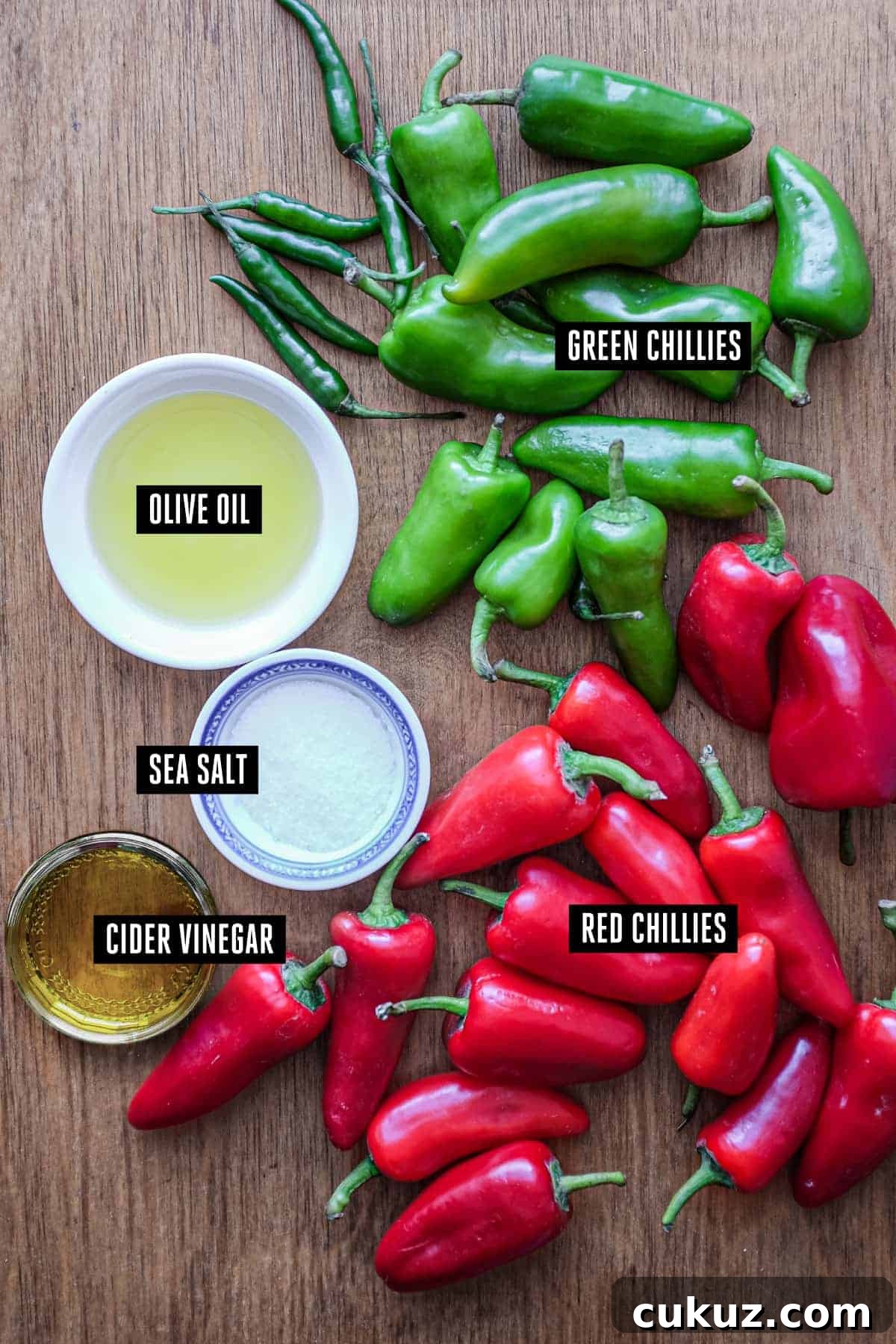
Making shatta at home is straightforward. Key ingredients:
- Chilli peppers: red or green. Use one colour only to keep a clean appearance. Mix varieties to reach your desired spice level; sweet bell peppers give a milder result.
- Sea salt: creates the brine and starts fermentation.
- Olive oil: stirred in at the end for fragrance and mouthfeel.
- Cider vinegar: adds bright acidity and balance.
Step by Step
Making shatta is simple. Allow time for the three-day fermentation for best flavour, although you can skip this step if needed.
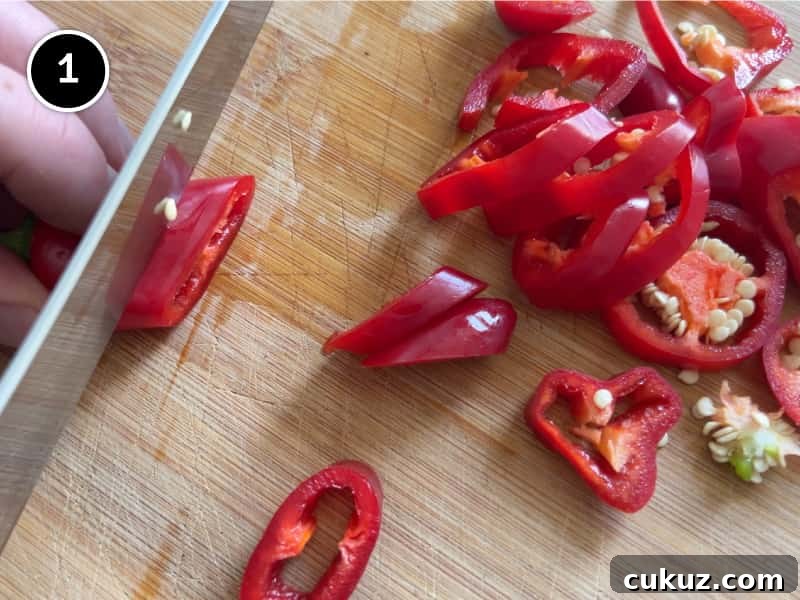
- Step 1 – Chop the chillies into slices; discard stems but keep seeds unless you prefer less heat.
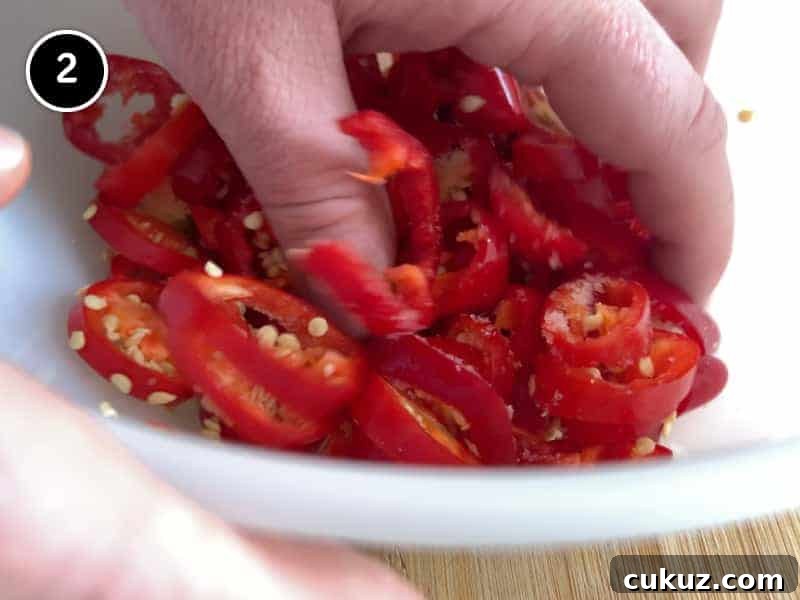
- Step 2 – Place chillies in a bowl and add salt (3% of the chilli weight). Mix well by hand—wear gloves if preferred.
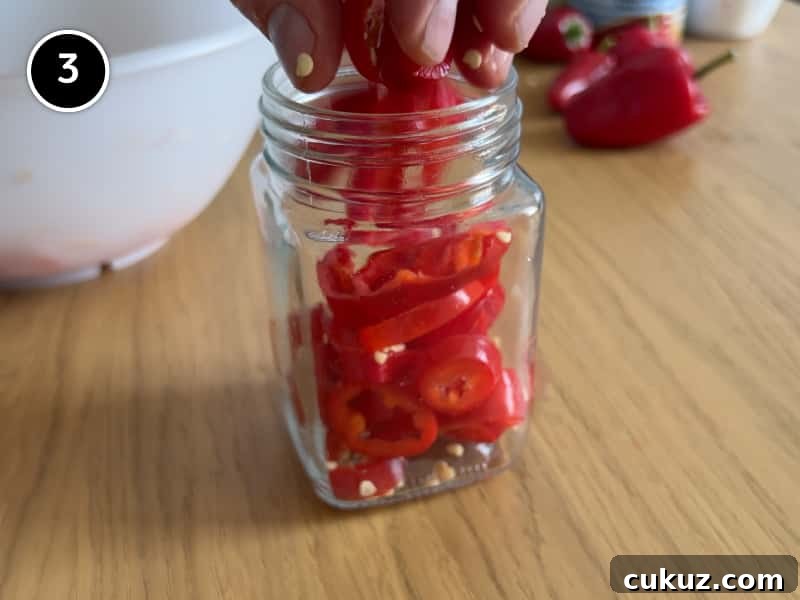
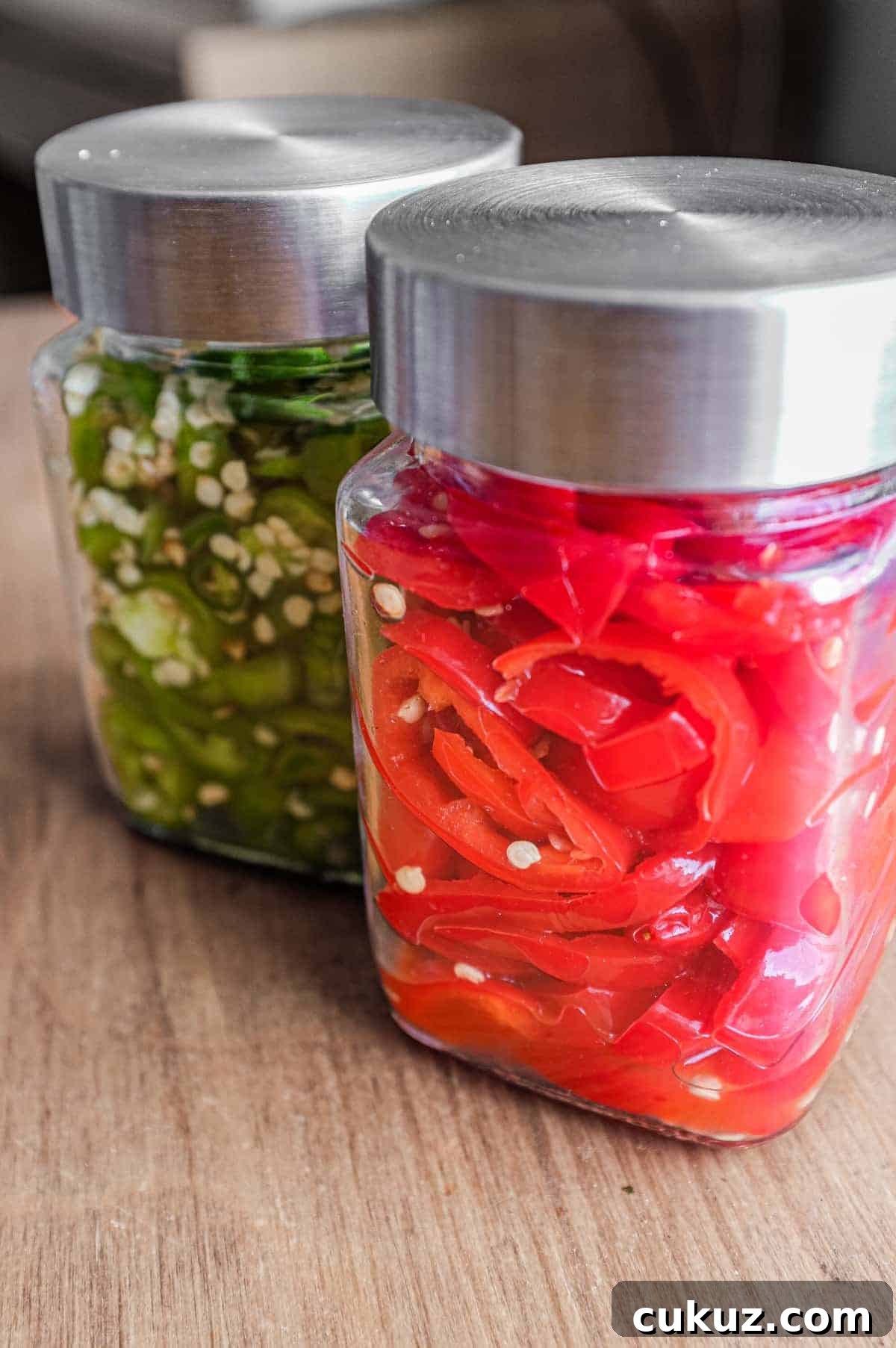
- Step 3 – Pack the chillies and any juices into a clean glass jar and seal. Leave at room temperature in a cool spot for three days to start fermentation. Open and reseal daily to release gas.
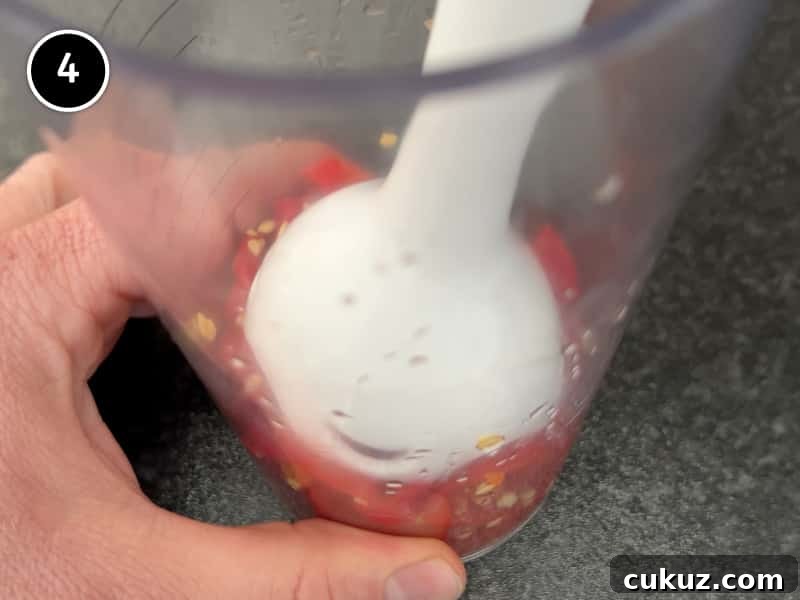
- Step 4 – After three days, drain some liquid leaving about half. Transfer chillies to a jug or food processor and pulse to a rustic, chunky paste.
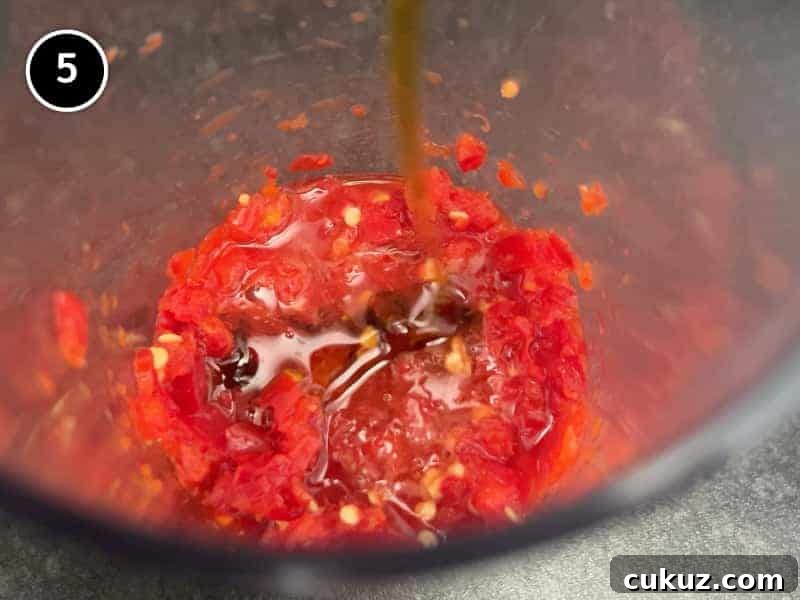
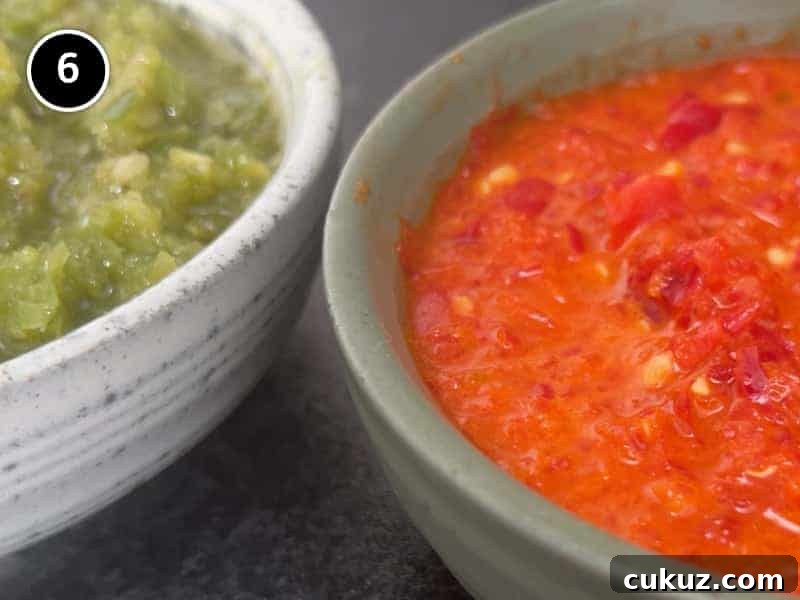
- Step 5 – Stir in olive oil and cider vinegar until combined. Return to the jar and refrigerate.
- Step 6 – Serve in small bowls with charred meats, kebabs, vegetables, labneh or hummus. It also works in dressings, sandwiches and wraps.
A light fermentation
Shatta is traditionally lightly lacto-fermented. Chopped, salted peppers sit in their juices for a few days to develop flavour and preservation qualities.
- Salt ratio — use 3% salt relative to the weight of chillies (for example, 200g chillies x 0.03 = 6g salt).
Storage Suggestions & Tips
After blending, store shatta in a jar in the fridge. It will keep 3–4 weeks; pouring a layer of olive oil over the surface can extend this to around six weeks. Refrigerate once fermented, as the sauce will deteriorate if left out.
- Use glass jars — metal and some plastics can react and alter flavour.
- Adjust the spice — mix chilli varieties or remove seeds to reduce heat.
- Wear gloves — especially when handling hot chillies.
- Use as a marinade — if the sauce is nearing the end of its life, use it to marinate meats before cooking.
Ready to get cooking?
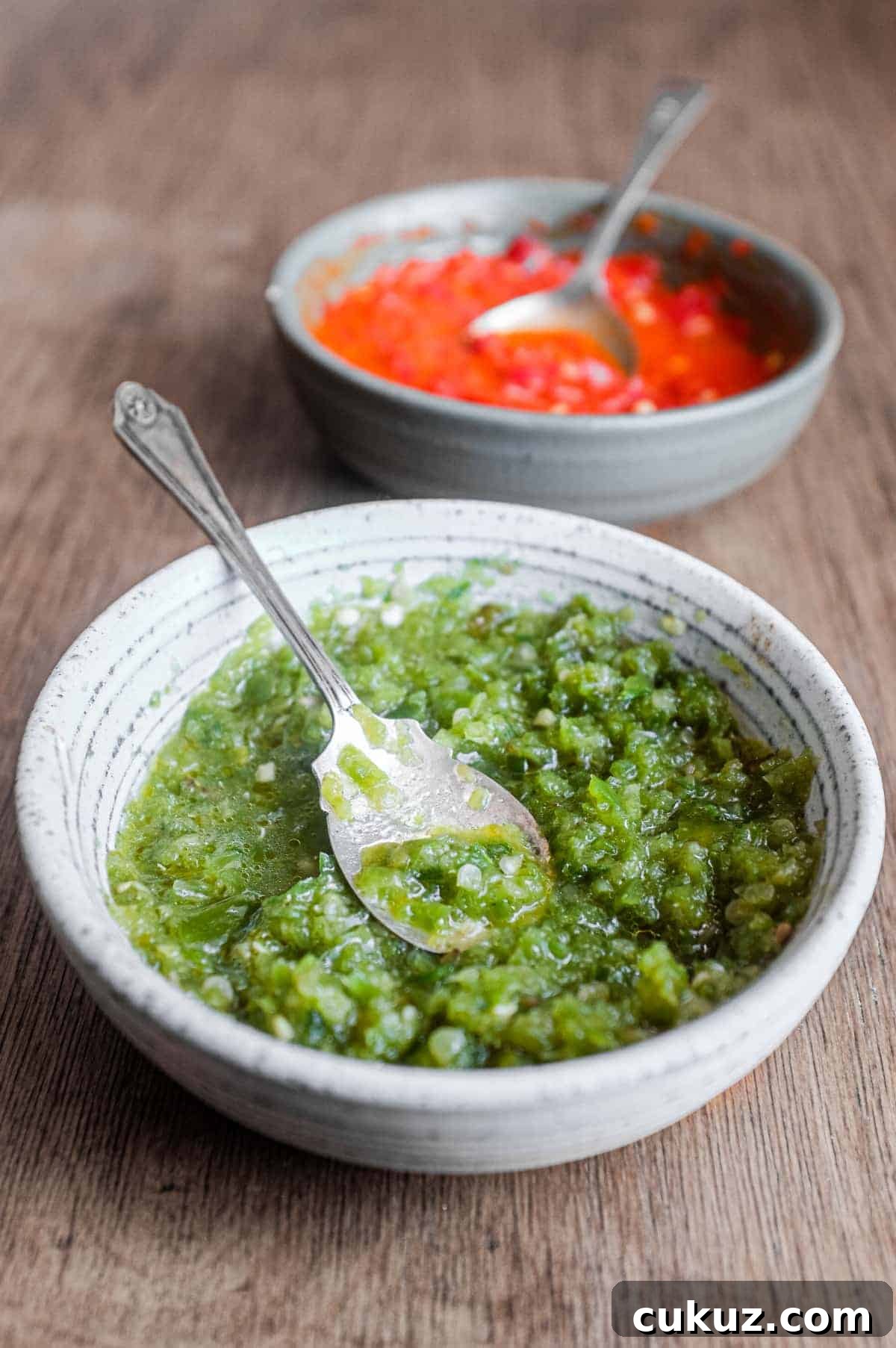
Shatta is a Levantine staple — versatile, addictive and excellent alongside labneh, haydari, grilled meats and fried eggs. Give this recipe a try and discover how it enhances your meals.
More Middle Eastern recipes
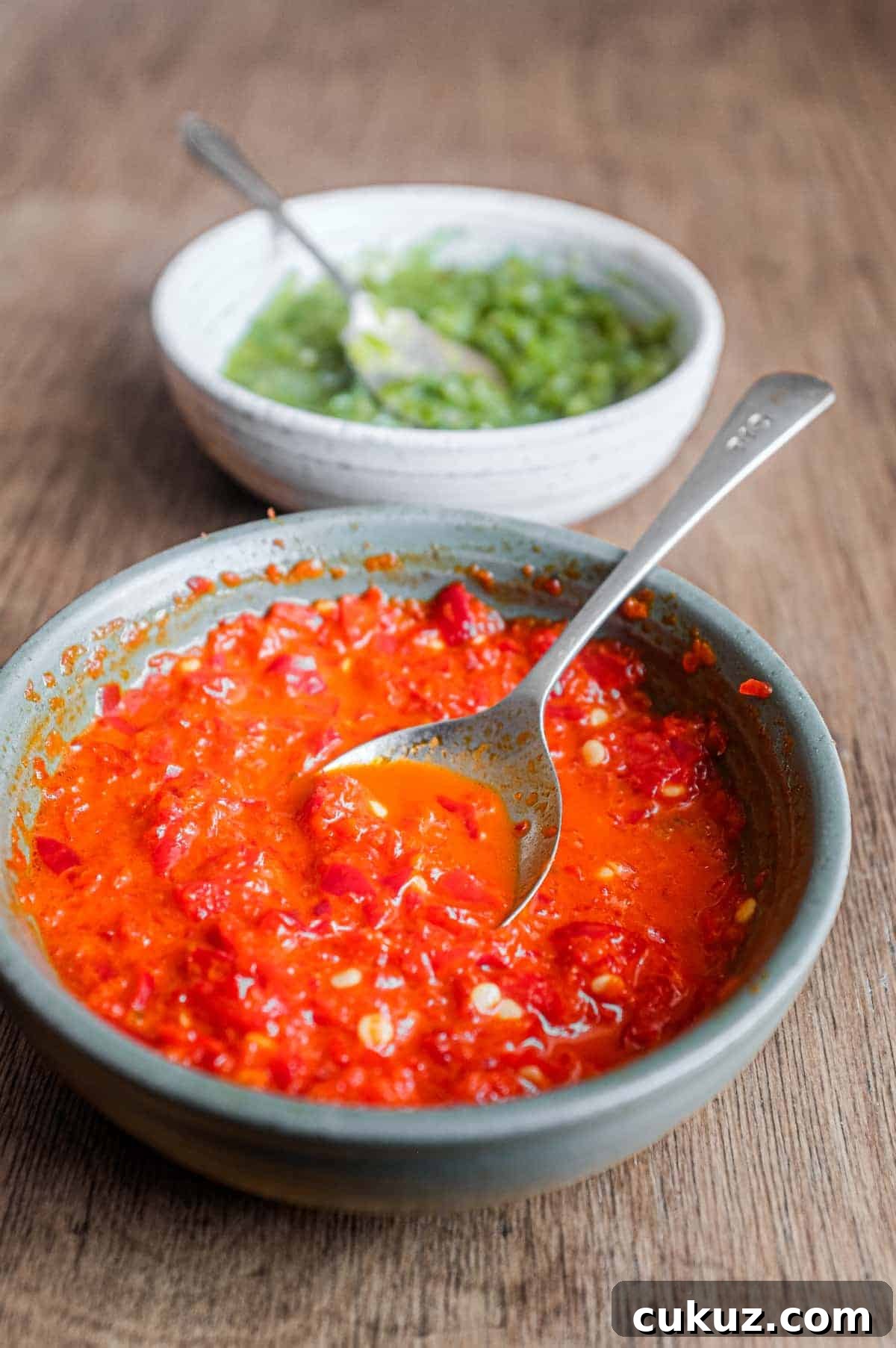
If you enjoy shatta, try other favourites in the collection.
- Eggs with Shatta Sauce
- Cacik (Turkish Yoghurt & Cucumber)
- Zhoug (Spicy Cilantro Sauce)
- Haydari (Turkish Yoghurt Meze)
- Pilpelchuma with Sweet Potatoes
- Toum (Lebanese Garlic Sauce)
- Hawaij Spice (Spice mix from Yemen)
- Roasted Carrots with Tahini Sauce
- Borani Kadoo (Afghani Squash Salad)
- Turkish Garlic & Yoghurt Sauce
- Middle Eastern Lamb Kebabs (Kabobs)
- Muhammara (Red Pepper & Walnut Dip)
Any Questions? (FAQ)
Have a question about Shatta Sauce? Leave a comment below.
Shatta is a traditional Middle Eastern hot sauce made from fresh chillies, salt, oil and vinegar. Use it as a dip, condiment or marinade to add spicy, bright flavour to falafel, shawarma, grilled meats and mezze.
Blend fresh red or green chillies with salt, olive oil and vinegar after a short fermentation (optional). Adjust spice by varying pepper types and seed inclusion for the heat you prefer.
This recipe uses affiliations and may receive a commission based on activity.
Shatta Sauce (Middle Eastern Chilli Sauce)
Ingredients
- 300g red or green chillies (either red or green, don’t mix the two)
- 9g sea salt
- 2 tbsp extra virgin olive oil
- 1 tbsp cider vinegar
Instructions
- Chop the chillies into slices, discard the stems but keep the seeds (remove seeds to reduce heat).
- Place chillies in a bowl and cover with the salt. Massage to coat well; wear gloves if handling hot chillies.
- Pack chillies and any juices into sterilised glass jars and seal. Leave at room temperature in a cool spot for three days to begin fermentation.
- Open the jar daily and reseal to release any excess gas.
- After three days, drain some liquid leaving about half. Blend the chillies to a rustic, chunky sauce.
- Stir in olive oil and vinegar, return to the jar and refrigerate. Keeps 3–4 weeks; cover with oil to extend to around 6 weeks.
Notes
The magic salt ratio: Use 3% salt by weight of chillies. Multiply the weight of chillies in grams by 0.03 to find the grams of salt needed.
Nutrition
Calories: 46 kcal | Carbohydrates: 3g | Protein: 1g | Fat: 4g | Sodium: 440mg | Vitamin C: 54mg
Mention @CookEatWorld or tag #cookeatworld on social media.