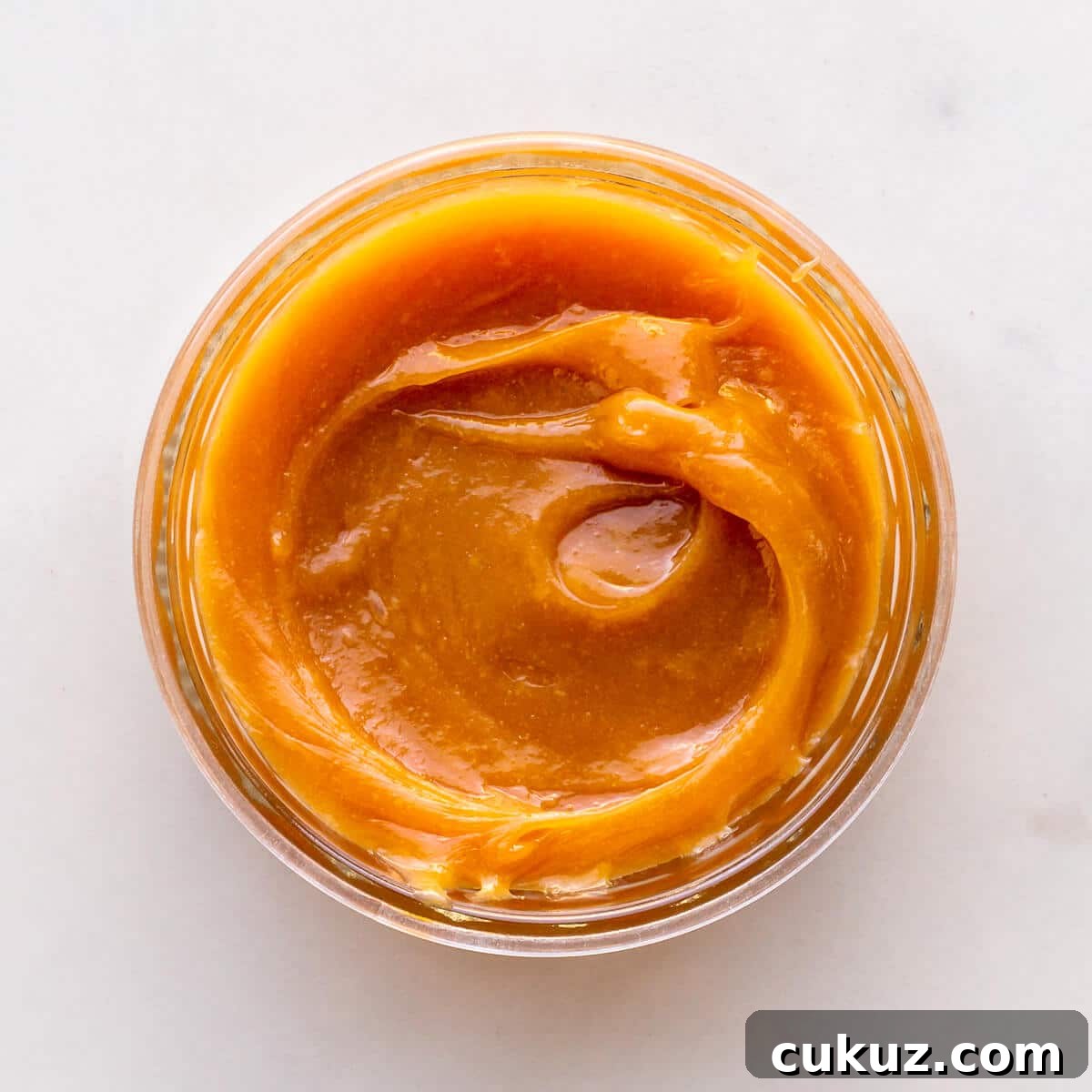
Learn how to make dulce de leche from scratch without using sweetened condensed milk with this straightforward recipe. I also tested three store-bought brands available locally to help you choose the best ready-made option.
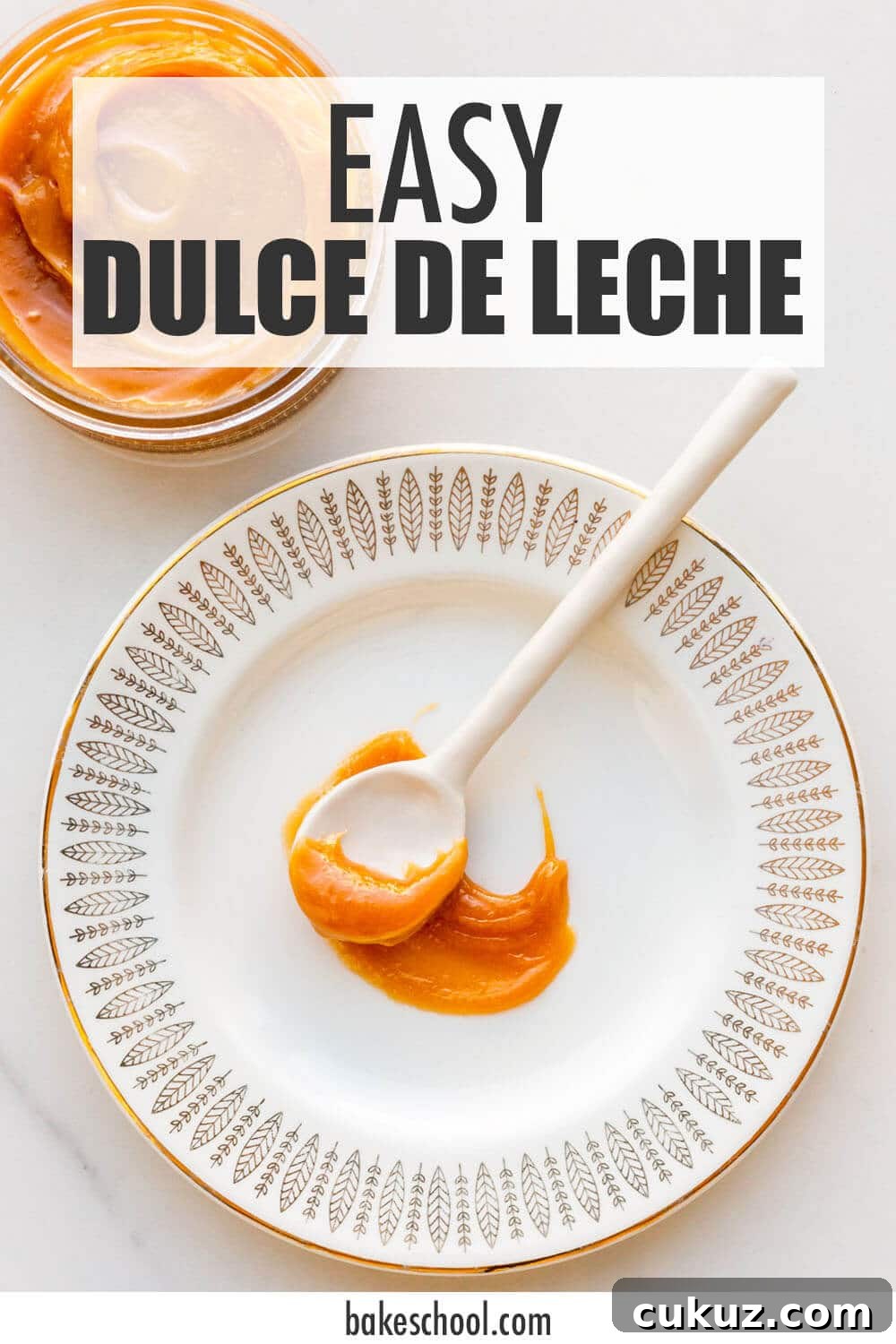
What it is
Dulce de leche is a creamy, caramelized milk spread popular across Latin America. Often called “milk jam,” it’s delicious spread on toast or brioche, and it’s commonly used as a filling for cakes and cookies like alfajores.
How it’s different than caramel
Dulce de leche and caramel sauce are related but made differently. Dulce de leche is produced by slowly cooking milk with sugar (or using sweetened condensed milk) until the mixture thickens and turns a rich, caramel color. Caramel sauce, by contrast, is generally made by cooking sugar alone until it browns, then adding cream and butter afterward. That difference in technique gives caramel a deeper, slightly more burnt-sugar flavor, while dulce de leche has a rounded, milky caramel taste.
Both can be adjusted in cooking time to achieve thicker, chewier textures, but the starting processes and final flavors remain distinct.
Ways of making it from scratch
Home cooks make dulce de leche in two main ways: starting from cans of sweetened condensed milk or starting from milk and sugar. The key in either method is low, slow heat and patience to develop a deep mahogany color, caramelized sugars, and a thick, spreadable texture.
Common approaches using sweetened condensed milk:
- Boil a sealed can in a water bath for several hours (risky if the water level drops).
- Boil a sealed can in a pressure cooker (some manufacturers warn against this due to explosion risk).
- Pour the condensed milk into a saucepan and cook it, stirring frequently to avoid scorching; this takes 1–2 hours on low heat.
- Bake the decanted condensed milk in a water bath in the oven until it thickens and browns.
Alternately, you can cook regular milk with sugar on the stove for an hour or more, reducing and caramelizing the mixture directly. Every method works, but most require at least an hour and some level of stirring or attention.
How it’s used
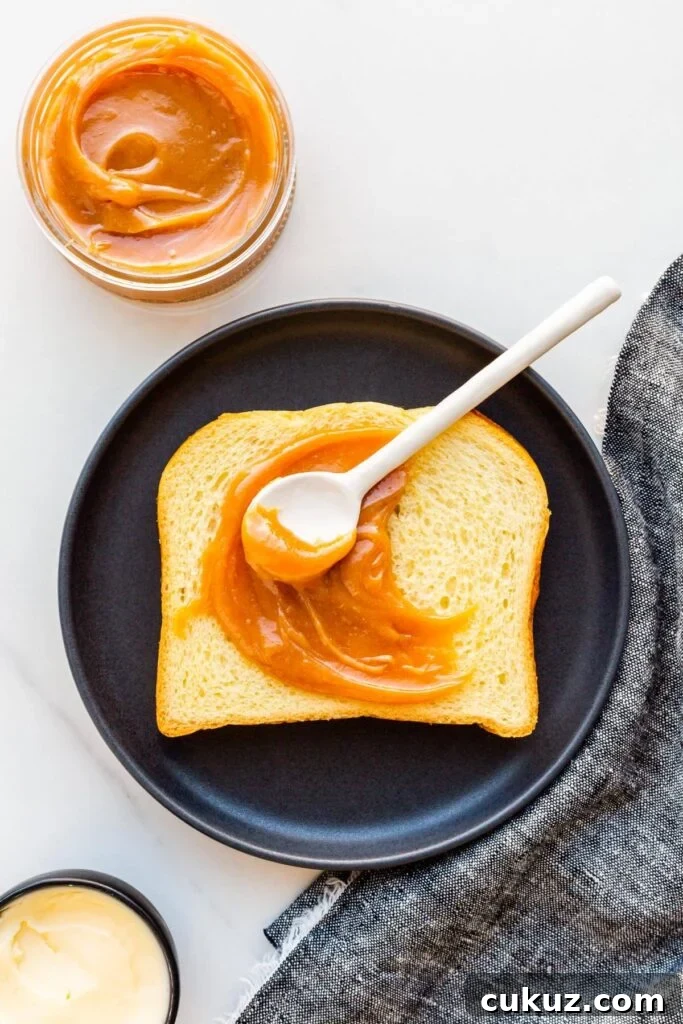
Dulce de leche’s caramelized flavor and gooey texture make it ideal for breakfast spreads, sandwiching between cookies, or filling cakes. It works beautifully piped between cake layers, spread on shortbread or brioche, or used as a decadent topping for ice cream.
The chemistry of dulce de leche
Three main processes create dulce de leche’s flavor and texture: evaporation, caramelization, and Maillard browning.
Evaporation
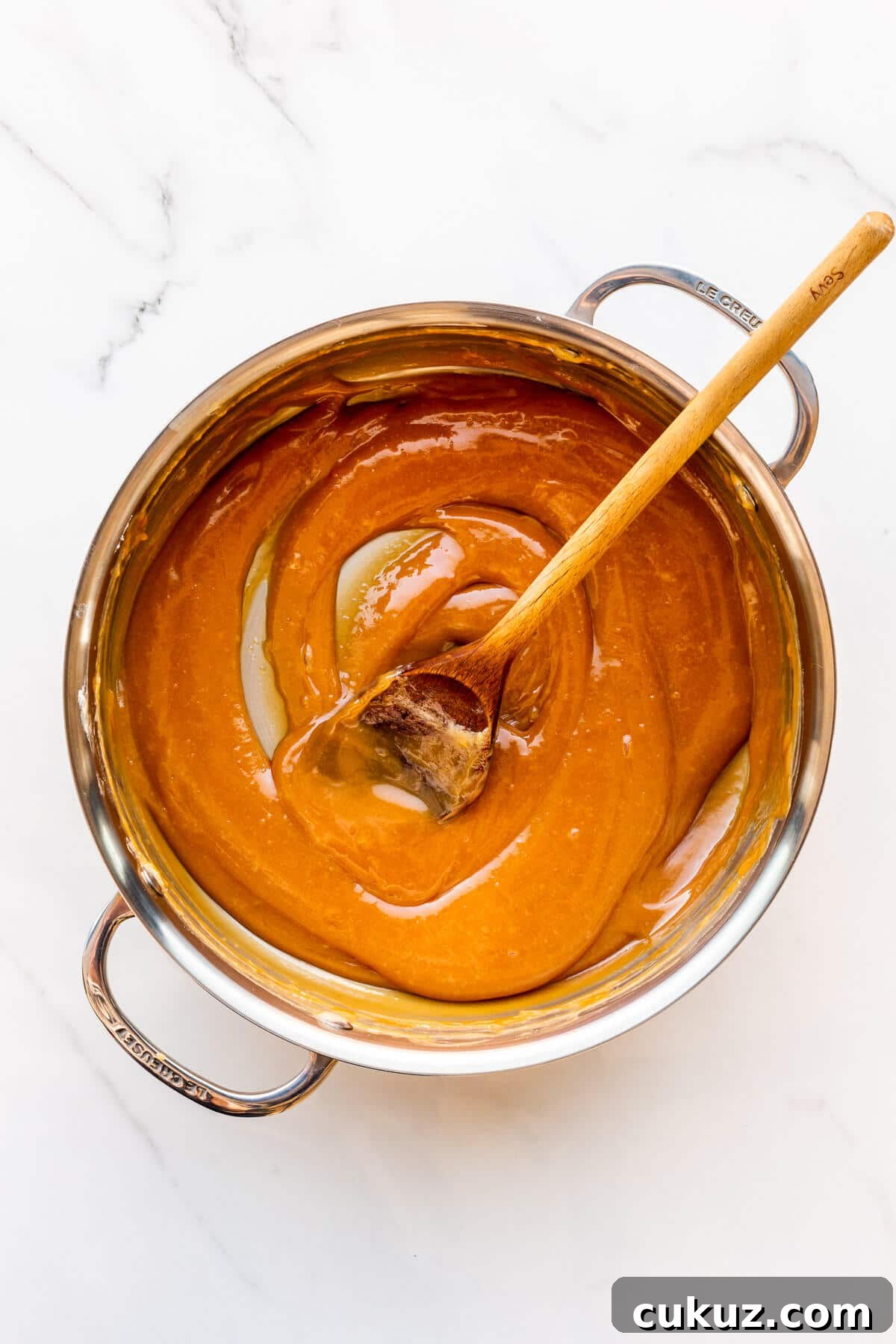
Cooking uncovered allows water to evaporate, concentrating flavors and thickening the mixture. For this recipe, 1 litre (4 cups) of milk reduces to about 375 mL (1½ cups), concentrating sugars, proteins, and aromas for a richer end result.
Caramelization
Sugars in the mixture break down and change color and flavor as they heat. In dulce de leche, both added sugar and the naturally occurring milk sugar (lactose) caramelize, producing the characteristic golden-brown color and sweeter, toasted notes.
Maillard browning reactions
Maillard reactions between sugars and milk proteins produce complex savory, nutty, and slightly roasted flavors that differ from pure sugar caramelization. Some recipes add a pinch of baking soda to raise pH slightly and encourage these reactions; use it sparingly since too much alters the taste.
Commercial dulce de leche sometimes includes milk solids or powdered milk to boost protein and sugar content and improve browning without adding water.
Making dulce de leche from milk
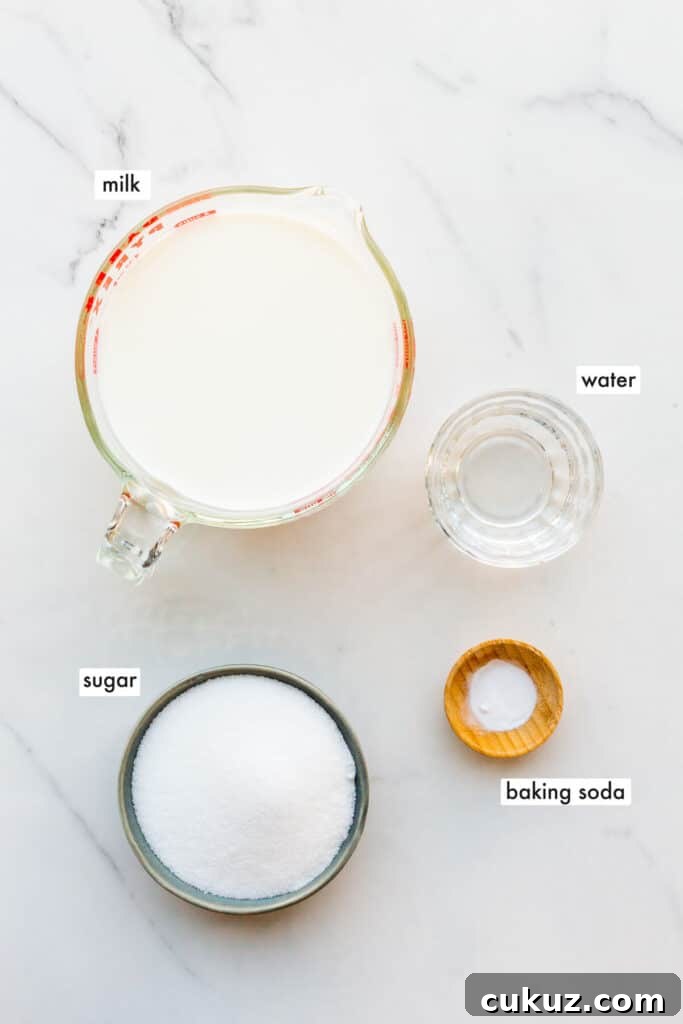
Ingredients
Basic ingredients:
- Whole milk (or 2% milk)
- Granulated sugar
- Baking soda (optional; helps browning)
Quantities are provided in the recipe card below.
Special tools
No specialty equipment is required. A large saucepan (at least 4 quarts/4 litres) and a wooden spoon are sufficient. Because milk foams and rises when boiling, using a pot that’s too small risks boiling over.
Method
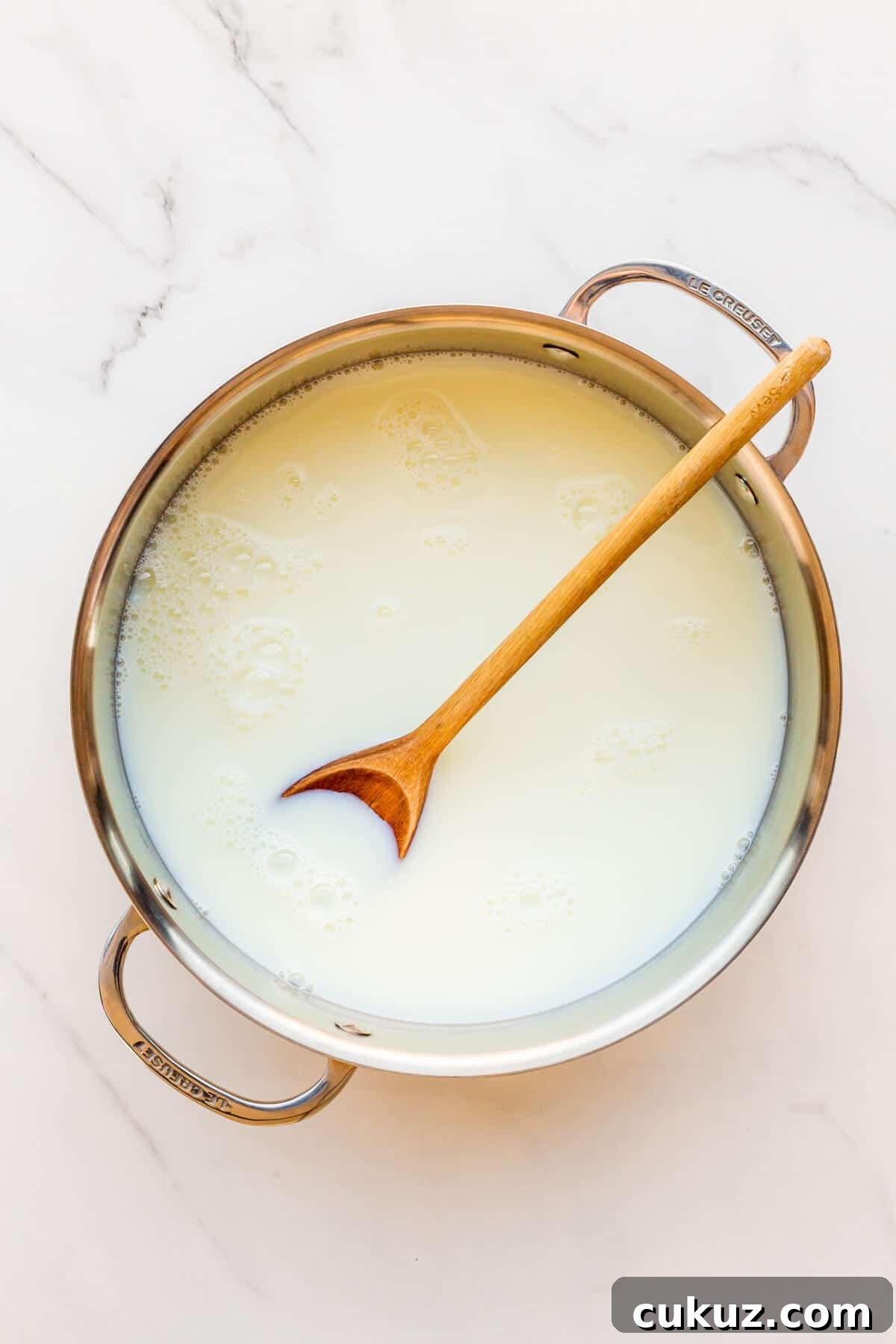
Bring the milk and sugar to a boil, add dissolved baking soda if using, then simmer gently until the mixture thickens and deepens in color. Stir regularly and test the consistency on the back of a spoon or on a chilled saucer. As the mixture thickens, stir more frequently to avoid sticking or burning.
Storage
Cool the dulce de leche to room temperature, transfer to a clean jar, seal, and refrigerate. It will keep in the fridge for up to two weeks.
Substitutions
- To use sweetened condensed milk, omit added sugar and follow the condensed-milk method you prefer.
- For a lactose-free version, substitute lactose-free milk.
- For a dairy-free option, use coconut milk or sweetened condensed coconut milk (omit the sugar if using the condensed product).
Variations
You can infuse the milk with flavors like a split vanilla bean, vanilla paste, or whole spices such as crushed green cardamom or a cinnamon stick for subtle aromatic notes. If you prefer convenience, many good store-bought dulce de leches are available—some are thinner than others, and they can be reduced further if needed.
📖 Recipe
Dulce De Leche without Condensed Milk
Equipment
-
Wooden spoon
-
Large pot (4 quarts / 4 litres minimum)
Ingredients
- 1 L milk (2 % or whole)
- 300 grams granulated sugar
- 60 mL water
- 2.5 mL baking soda (optional)
Instructions
-
Pour the milk and sugar into a large pot (at least 4 quarts / 4 litres). Place over medium-high heat, stirring occasionally until it comes to a boil.
-
In a small bowl, dissolve the baking soda in the water and set aside.
-
When the milk boils, remove the pot from the heat and stir in the dissolved baking soda.
-
Return the pot to the burner, bring back to a gentle boil, then reduce heat and simmer for about an hour, stirring occasionally. As the mixture thickens, stir more frequently to prevent sticking and burning. Cook until it reaches a thick, caramel-like consistency.
-
Transfer the dulce de leche to a clean jar, let cool to room temperature, then seal and refrigerate for up to two weeks.
Notes
Nutrition
14 g
Nutrition information is an estimate.
Frequently asked questions
Yes. Dulce de leche becomes thicker as it cools, but if the hot mixture is still very thin it won’t set into a thick filling without further reduction.
They are similar but not identical. Dulce de leche is made from cow’s milk, while cajeta is made from goat’s milk, giving each a distinct flavor profile. Both are made by slowly reducing milk and sugar.