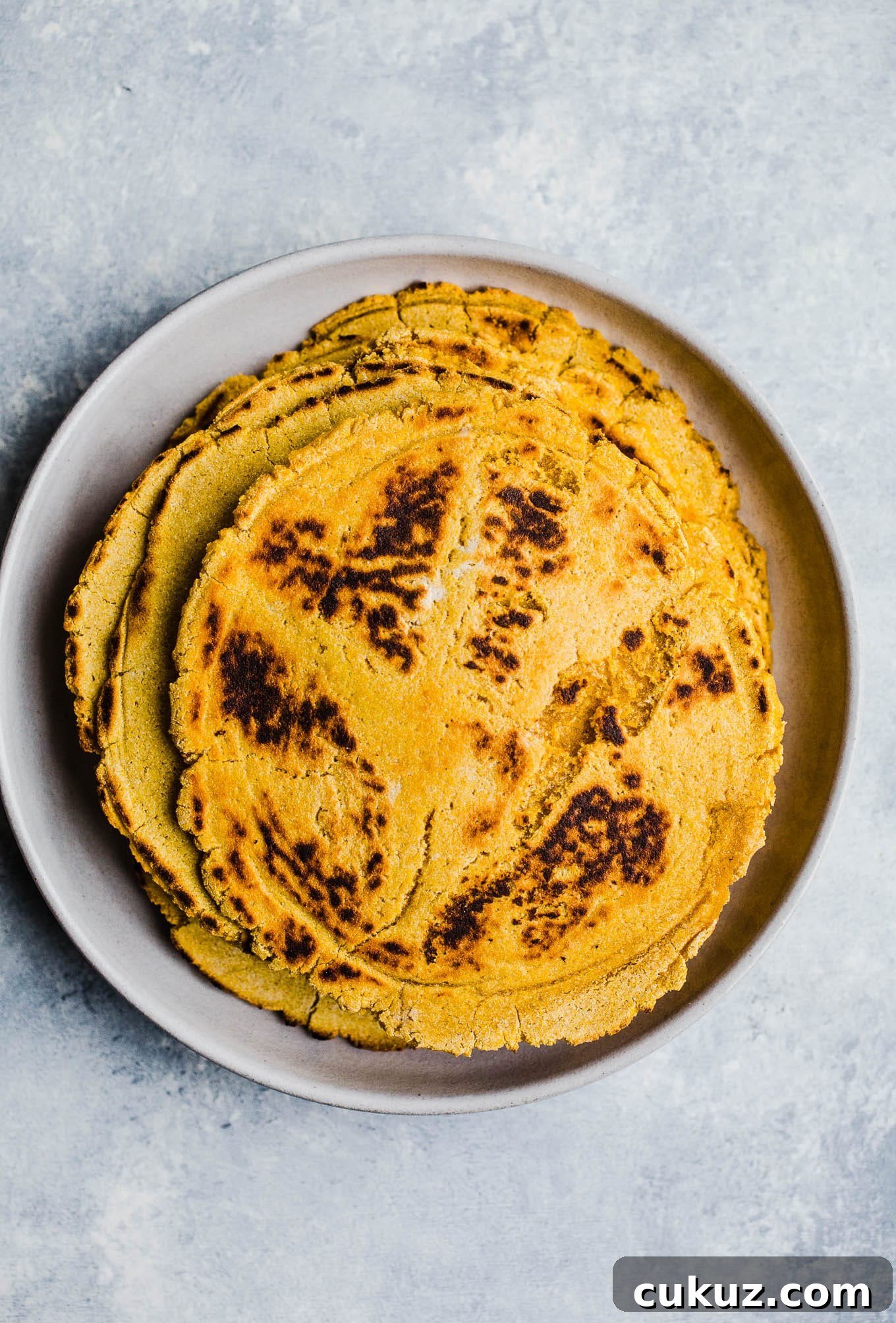
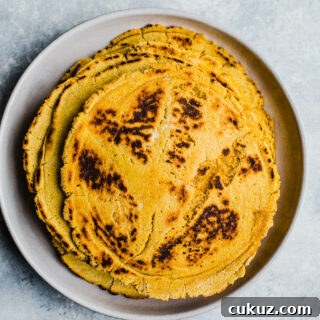
This homemade sweet potato flatbread is made with cassava flour, smooth sweet potato puree, and warming spices. It’s an easy, versatile flatbread recipe that’s grain-free, gluten-free, paleo-friendly, and vegan. Use it alongside soups and dips, fold it around fillings, or crisp it up as a colorful pizza base.
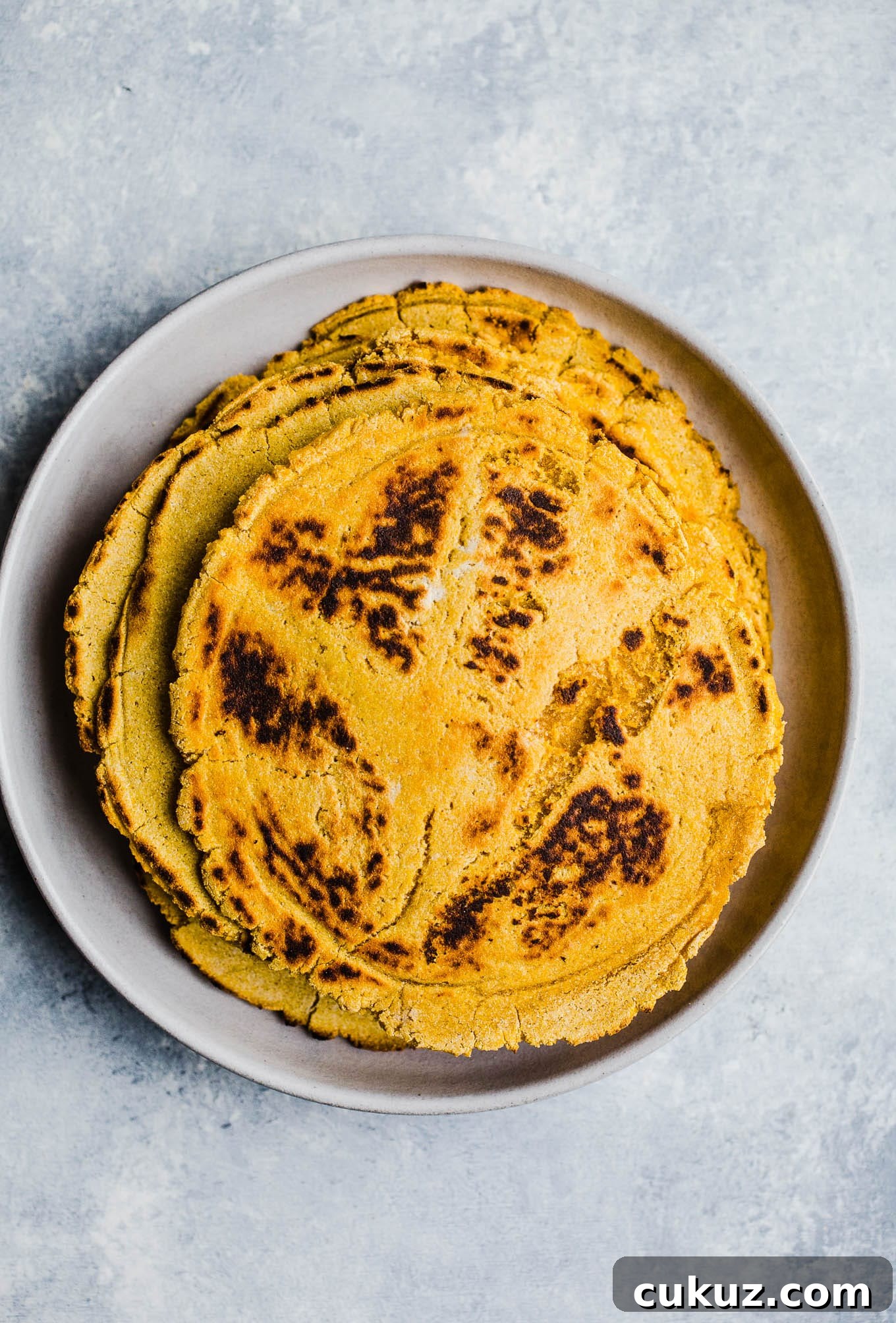
A gluten-free flatbread is a practical addition to any kitchen. Flatbreads are incredibly adaptable — great for dipping, spreading, tearing, folding, or stuffing. They work as a simple side or a foundation for creative meals.
This recipe uses common pantry staples and a short ingredient list, so it’s quick to pull together. Enjoy it with warm soups, flavorful dips, or simply brushed with oil and herbs.
Why you’ll love this recipe
- Made with simple, everyday ingredients
- Easy and forgiving technique
- Grain-free, dairy-free, and egg-free
Ingredients and substitutions
Below are notes on the primary ingredients. A complete ingredient list and step-by-step instructions follow in the recipe card.
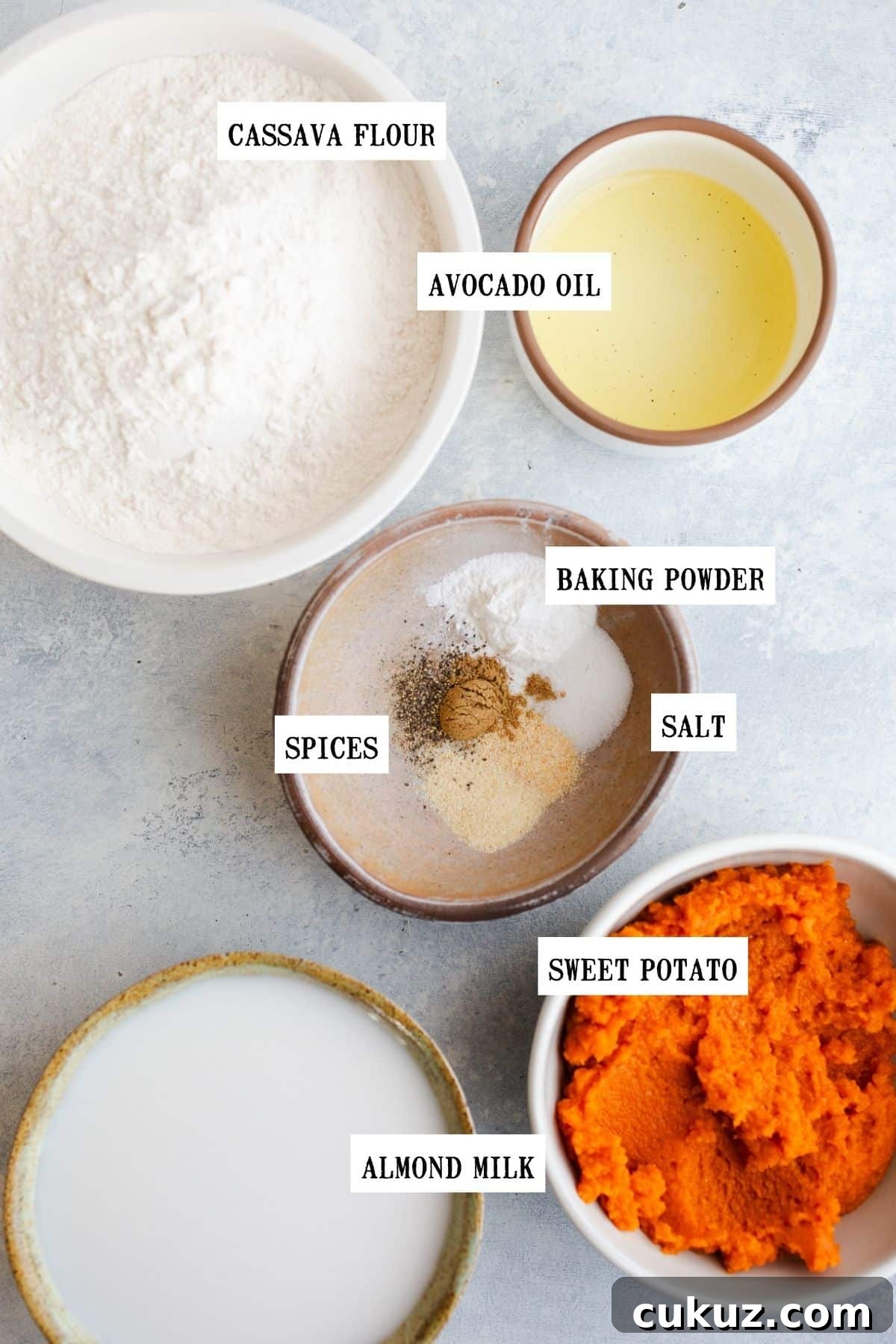
Sweet potato puree – Canned puree is the fastest choice, but a cooked and mashed large sweet potato (peeled) works equally well. The puree provides moisture and a naturally sweet, fudgy texture to the dough.
Cassava flour – Cassava is a neutral, grain-free flour that blends smoothly with the sweet potato flavor. If you prefer, other gluten-free flours like brown rice or chickpea flour can be used in different flatbread recipes, but amounts and textures will vary.
Avocado oil – Any neutral oil (or olive oil if preferred) will work. The oil improves pliability and flavor balance.
Unsweetened almond milk – Use any unsweetened dairy-free milk. A stronger-flavored milk will change the final taste slightly, but any unsweetened variety is fine.
Seasonings – A small amount of garlic powder, onion powder, ground cumin, salt, black pepper, and baking powder enhances the flatbread without overpowering the sweet potato’s natural flavor.
How to make sweet potato flatbread
Before you start: Gather all ingredients and a nonstick skillet. A rolling pin and parchment paper make rolling easier but are optional.
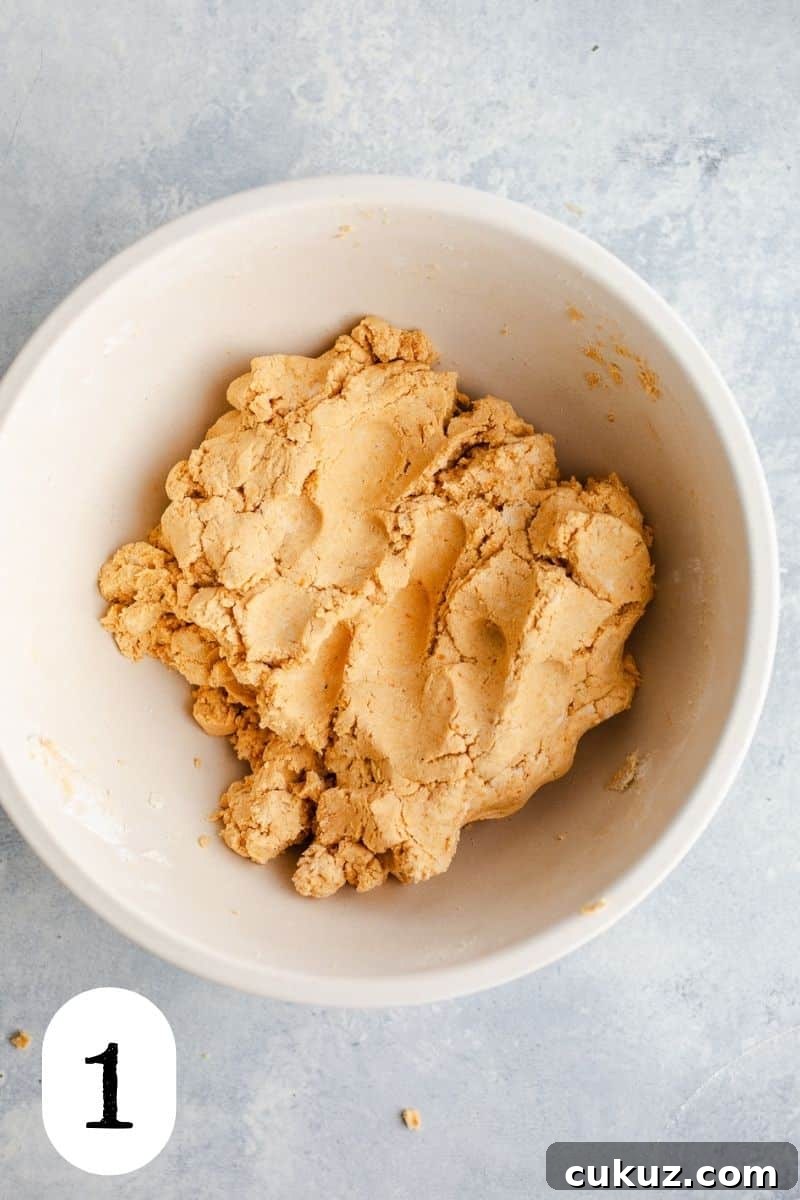
Step 1: Whisk together the cassava flour, baking powder, salt, garlic powder, onion powder, cumin, and black pepper in a large bowl.
Step 2: Add the oil, then the almond milk and sweet potato puree. Stir until a soft, cohesive dough forms; squeezing with your hands helps incorporate dry bits. If the dough is sticky, add a bit more cassava flour. If it’s dry, add almond milk 1 teaspoon at a time.
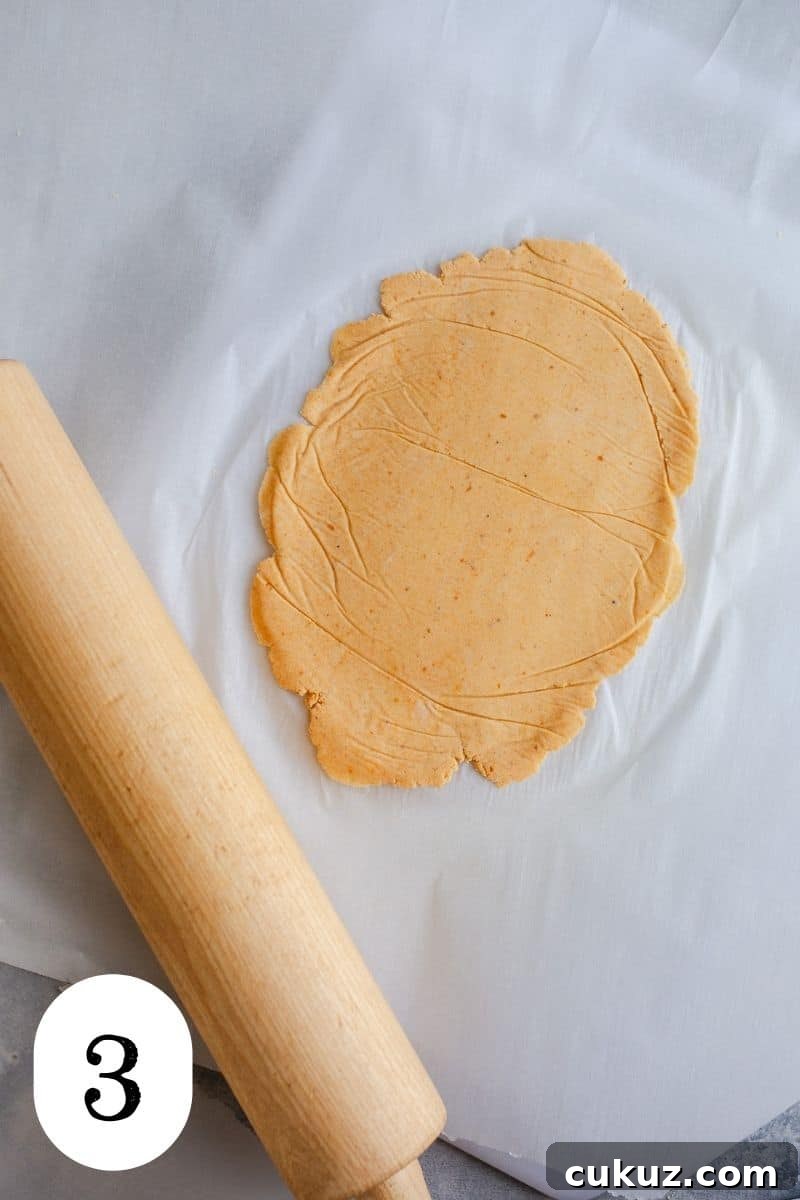
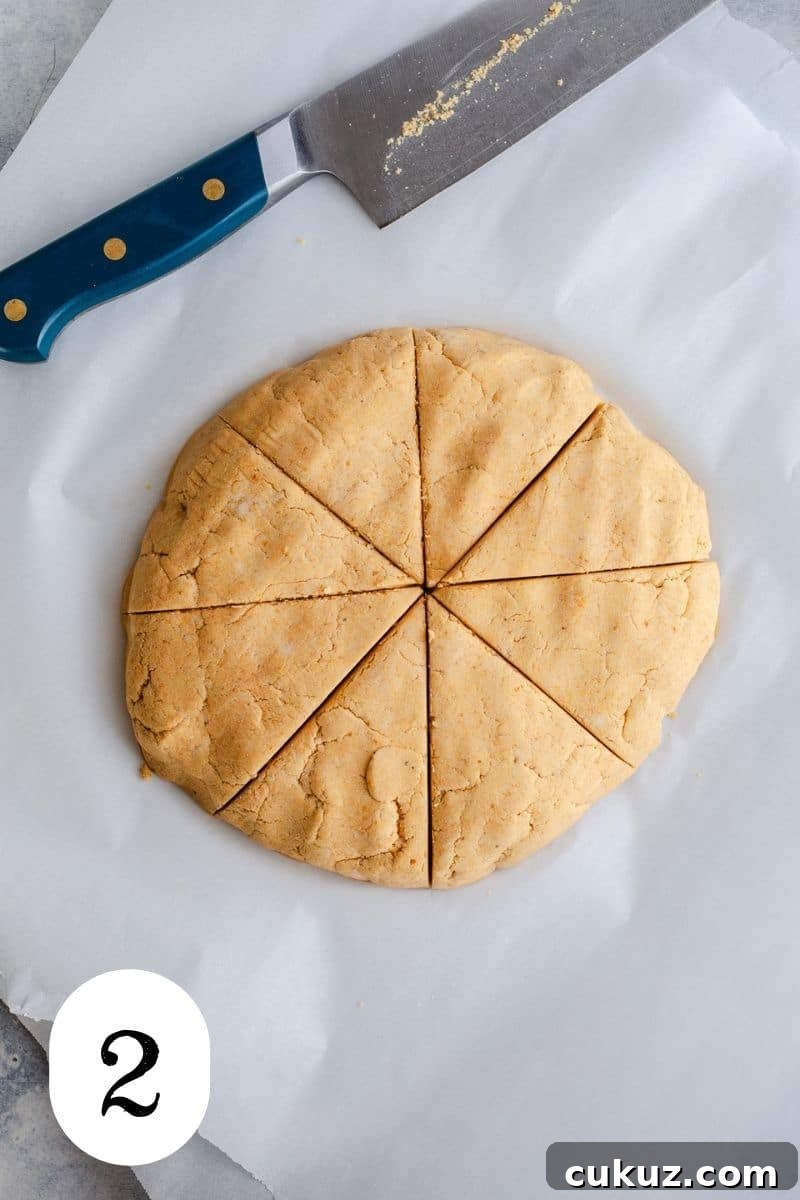
Step 3: Shape the dough into a disc, divide into eight equal pieces, roll each into a ball, and flatten each into a round with a rolling pin or your hands. Place rounds on parchment to keep them manageable.
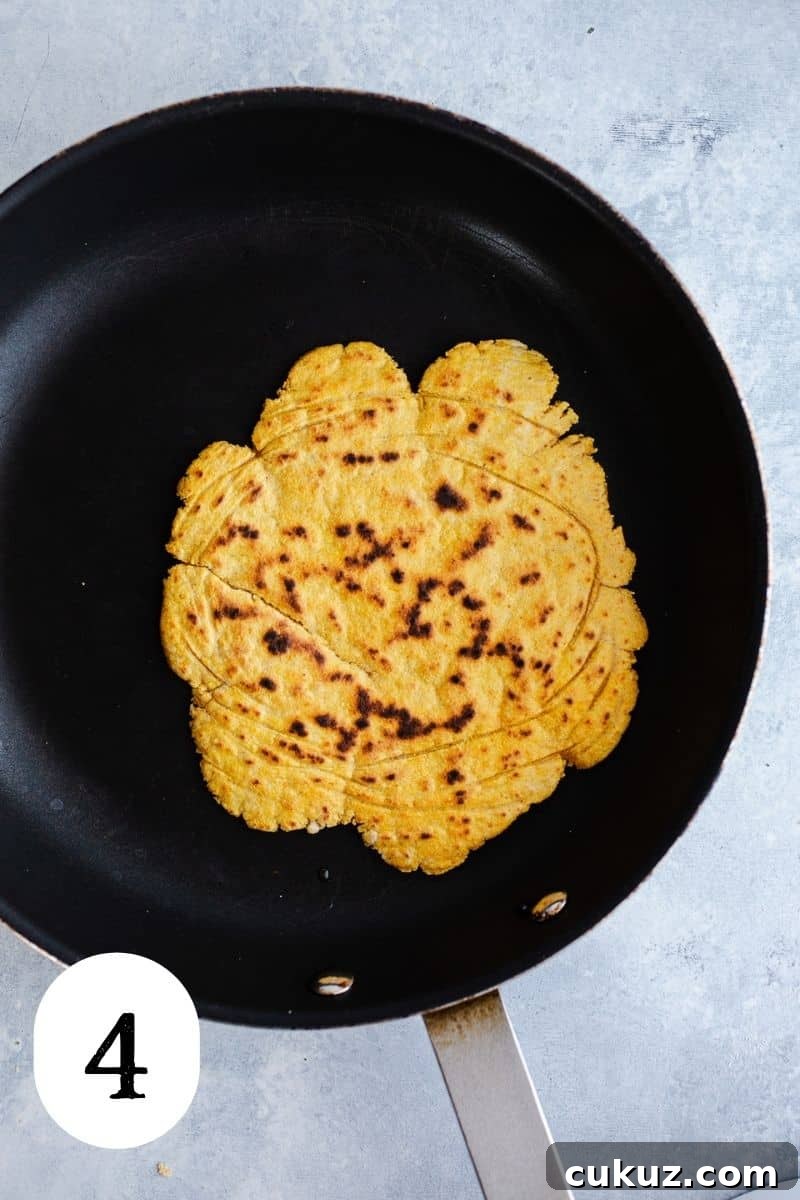
Step 4: Cook each round in a preheated nonstick skillet over medium heat for 3–4 minutes per side until the surface develops golden charred spots. Thinner rounds take less time. Stack finished flatbreads under a clean towel to stay soft and warm.
Recipe tips
- If your dough is overly sticky, add more cassava flour a tablespoon at a time, then reshape and roll. If the dough feels too dry, add almond milk a teaspoon at a time until it comes together.
- No rolling pin? Gently press and stretch each dough ball with your hands. Irregular, rustic shapes are perfectly fine and add character.
- Keep cooked flatbreads wrapped or covered with a clean tea towel to retain moisture while you finish the batch.
Serving suggestions
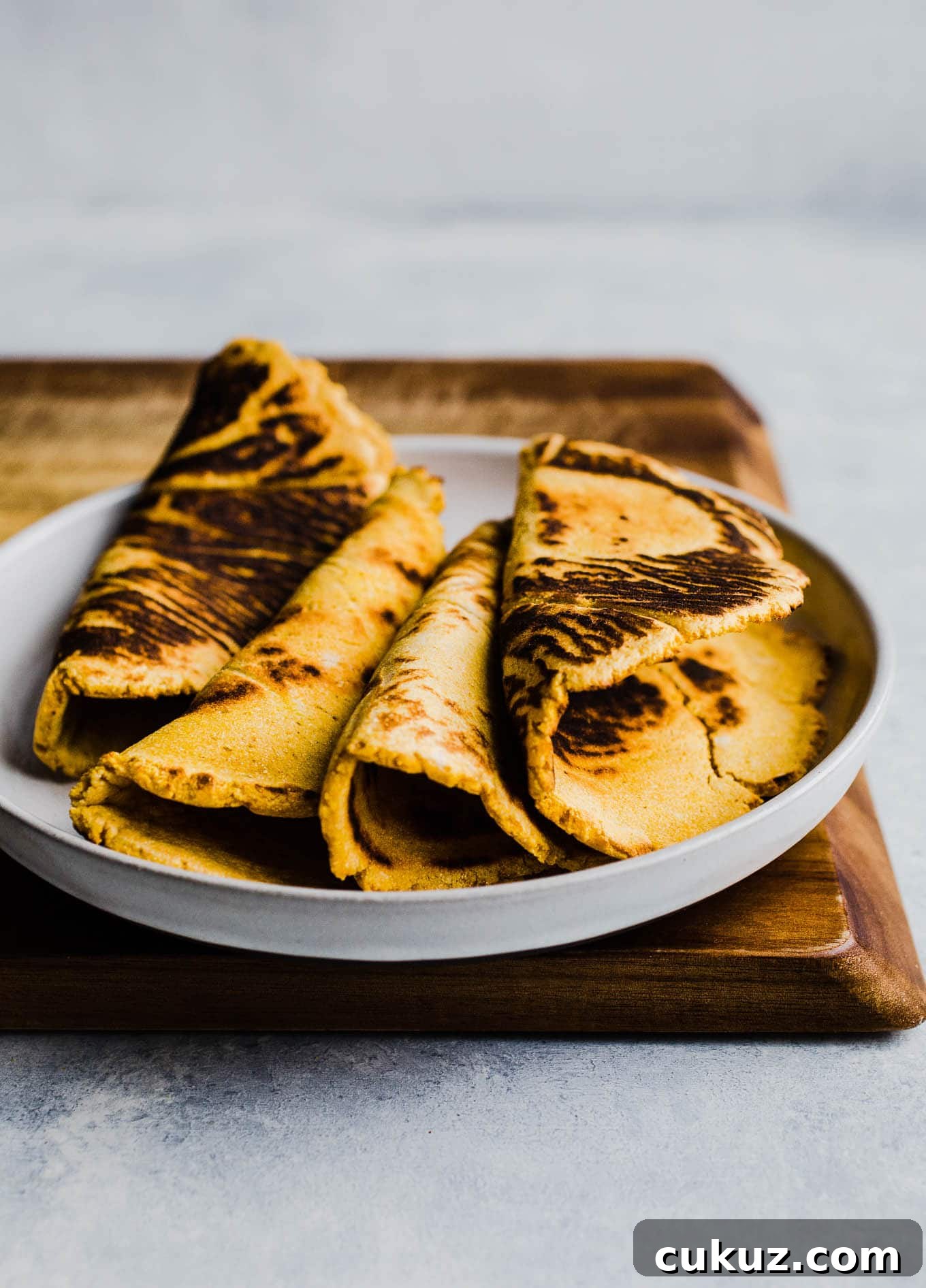
These flatbreads pair beautifully with curries, roasted vegetables, lentils, or warm soups. They also make a flexible base for snacks and light meals. Try any of the ideas below:
- Spread with hummus and pile on fresh veggies for an easy lunch.
- Use as a mini pizza crust and top with sauce, cheese alternatives, and toppings of your choice.
- Serve alongside hearty soups and stews to mop up flavorful broth.
- Tear pieces to dip into creamy spinach dip, dairy-free sour cream and chive dip, or other favorite condiments.
- Fill with proteins, greens, and spreads to make a quick sandwich wrap.
- Brush with garlic oil or avocado-based pesto for a simple, flavorful snack.
FAQs
Cassava flour is milled from the whole cassava root. It has a neutral taste and a light, slightly chewy texture. It’s naturally gluten-free and commonly used in grain-free baking and flatbreads.
Yes. White potatoes can be substituted, but they have different starch and moisture levels, so you may need to adjust the flour and liquid amounts to reach a smooth dough.
Canned pumpkin is a suitable substitute and offers a subtle flavor. As with other swaps, check dough consistency and add flour or liquid as needed.
Store in an airtight container at room temperature for 2–3 days or in the refrigerator for 4–5 days. Reheat gently in a skillet over low heat or microwave for 15–30 seconds to warm through.
More sweet potato recipes
-
Sloppy Joe Stuffed Sweet Potatoes
-
Sweet Potato Toast (In The Oven)
-
Healthy Gluten-Free Sweet Potato Bread
-
Roasted Sweet Potato Salad with Arugula



If you enjoy this recipe, please leave a five-star rating and a comment on your experience — feedback helps improve and refine recipes for everyone.
📖 Recipe
Sweet Potato Flatbread
Equipment
- Rolling Pin (optional)
- Parchment Paper (optional)
- Non-stick skillet
Ingredients
- 2 cups (280g) cassava flour
- 1 teaspoon baking powder
- ½ teaspoon salt
- ¼ teaspoon garlic powder
- ¼ teaspoon onion powder
- ¼ teaspoon ground cumin
- ½ teaspoon organic cane sugar (optional)
- Couple pinches black pepper
- 2 tablespoons avocado oil (or other neutral oil)
- 1 cup (8 oz) unsweetened almond milk
- 1 cup (165 g) canned sweet potato puree
Instructions
- In a medium bowl, whisk together cassava flour, baking powder, salt, garlic powder, onion powder, cumin, sugar (if using), and black pepper. Mix thoroughly so spices are evenly distributed.
- Add the avocado oil, then pour in the almond milk and sweet potato puree. Stir until a soft dough forms and no dry streaks remain. Knead or squeeze the dough with clean hands to help everything come together.
- If the dough is too sticky, add a bit more cassava flour and knead until smooth. If it’s too dry, add almond milk one teaspoon at a time until it holds together.
- Form the dough into a disc and place it on parchment. Cut into eight equal wedges and roll each wedge into a ball. Keep the balls covered with a damp towel to prevent drying out.
- Heat a nonstick skillet over medium heat. Working with one dough ball at a time, place it on parchment, top with another piece of parchment, and roll or press into a 5–6 inch circle about ¼–½ inch thick. Remove the top parchment, pick up the round on the bottom parchment, peel the paper away, and transfer the dough into the skillet. Cook 3–4 minutes per side until golden with a few charred spots. Thinner rounds will cook faster (2–3 minutes per side).
- Stack finished flatbreads under a clean tea towel to stay soft while you cook the rest. Serve warm.
Notes
* If you don’t have a rolling pin, flatten the dough with your hands — imperfect shapes are fine.
Adjust flour or liquid to reach a workable dough, since puree moisture can vary.
To store: Keep in an airtight container at room temperature for 2–3 days or refrigerate for 4–5 days. Reheat in a skillet or microwave briefly.