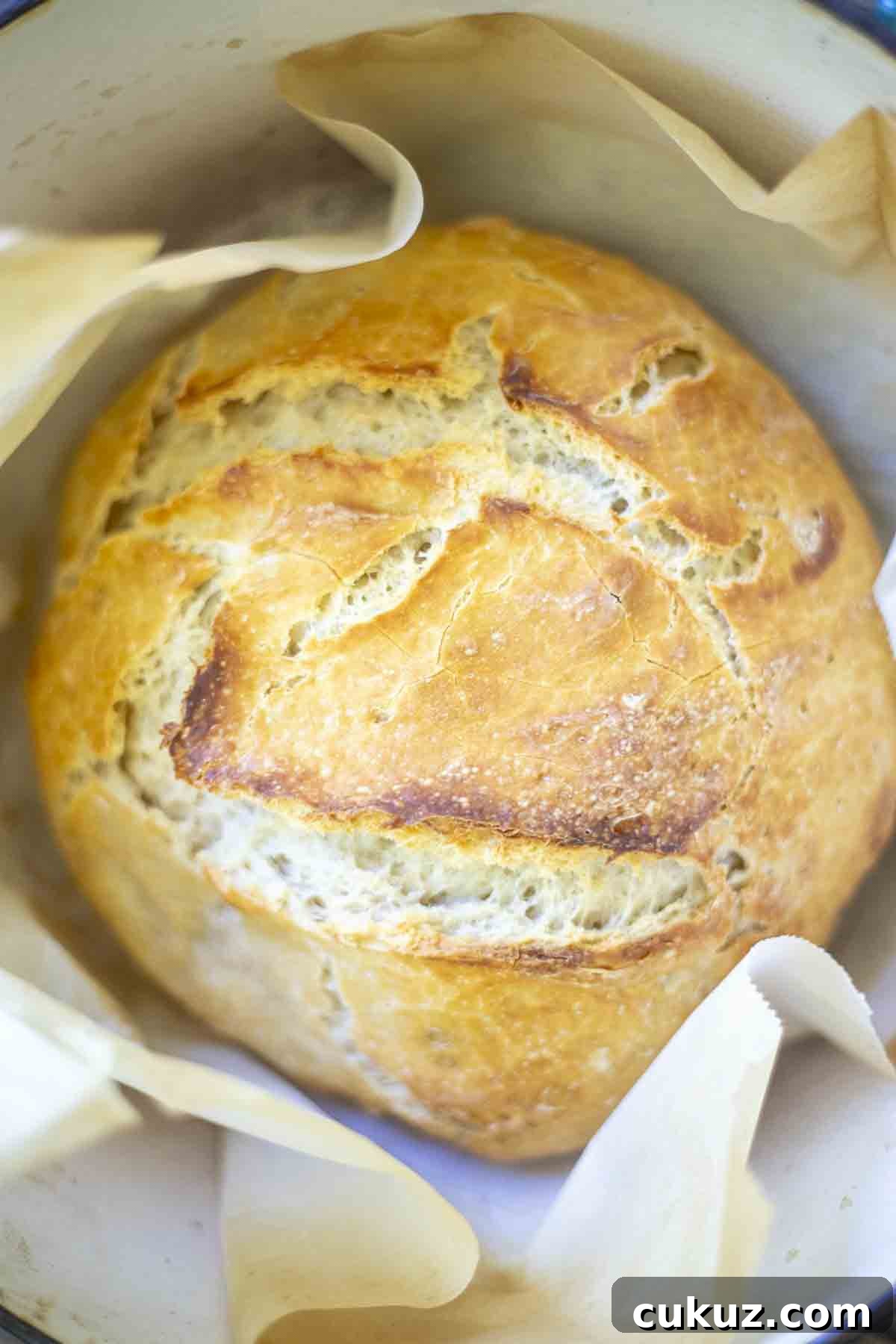
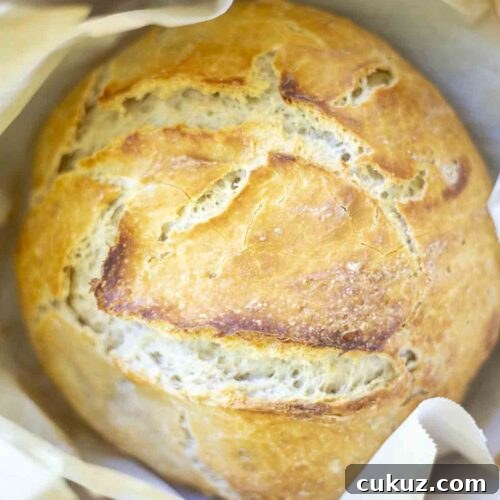
This easy sourdough discard bread is one of the best and most flavorful ways to use up extra starter. It’s a no-fail, no-knead loaf that comes together in minutes: mix, let rest for a few hours (or up to 24), then bake for a crisp, artisan-style loaf.
Table of Contents
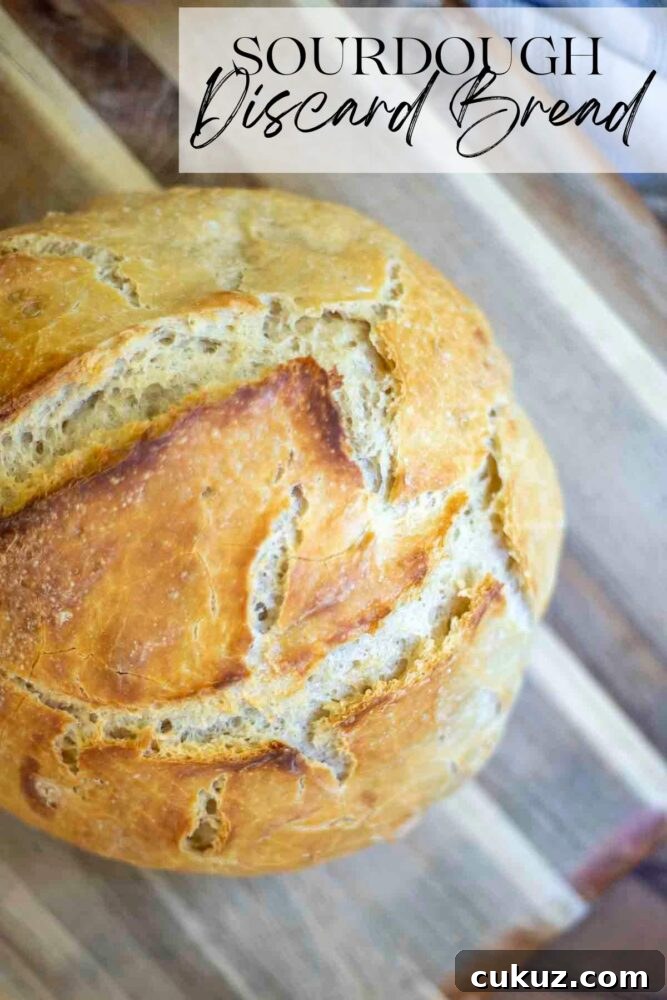
Making sourdough can feel complicated: active starter, stretches and folds, careful timing. I wanted an easier, hands-off version that still delivers a beautiful crumb and great flavor. Inspired by simple no-knead artisan recipes, I adapted the method into a sourdough discard loaf that’s forgiving and consistent.
I don’t always keep my starter in perfect condition, but I love the benefits of fermented dough. This recipe uses discard (unfed starter) along with a small amount of commercial yeast so you don’t need a very active starter to get reliable rise and oven spring.
No special equipment is required—no stand mixer, no elaborate shaping. Proof the yeast in warm water, stir everything together, let it rest at room temperature, refrigerate if needed, then bake in a preheated dutch oven for a crisp crust. It’s simple enough for weeknights but tasty enough for company.
Why You Will Love This Recipe:
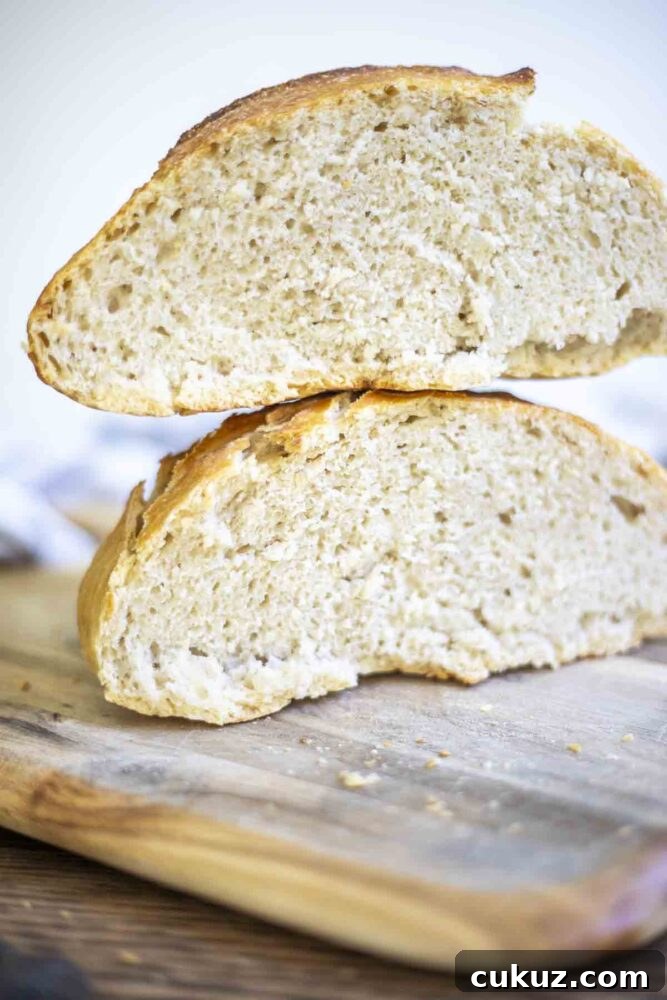
It tastes like classic sourdough without the fuss. The crumb is tender, the crust develops excellent oven spring, and the dough benefits from sourdough fermentation while staying easy to manage thanks to a bit of active dry yeast.
Use discard—you don’t need an active, bubbly starter. The recipe is flexible, and you can mix it up to 24 hours before baking, making it ideal for busy schedules.
This is a reliable, low-effort way to get homemade bread on the table and a great solution for using excess starter instead of throwing it away.
Tips For Making Sourdough Discard Bread:
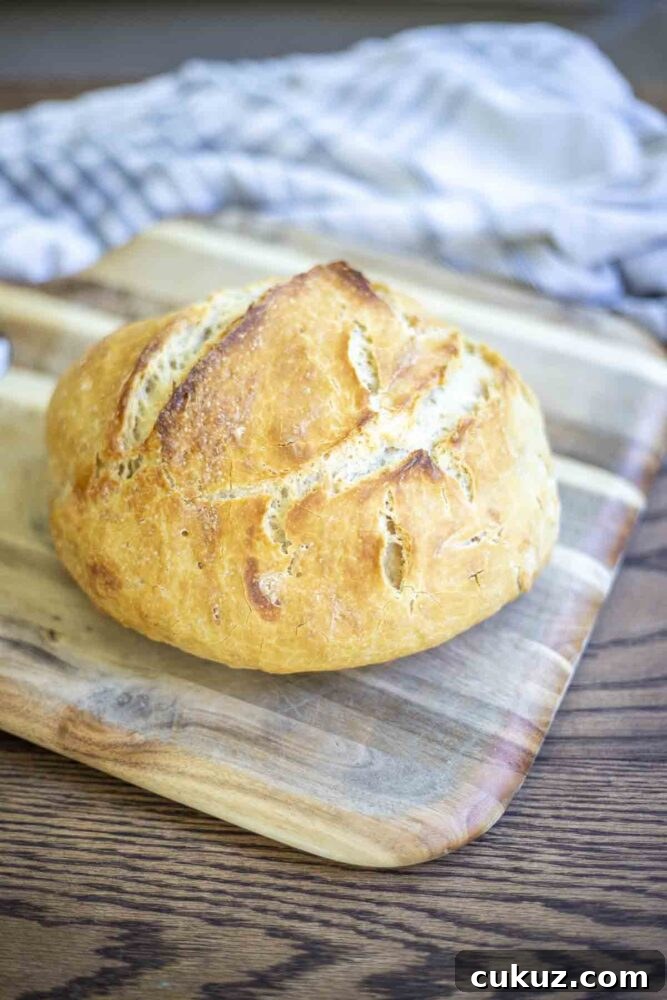
- Bake in a preheated dutch oven for the best crust and oven spring.
- Use warm—not hot—water to proof the yeast so you don’t kill it.
- If the dough becomes very loose from overproofing, chill it in the refrigerator for a few hours before baking.
- Doubling the recipe can be done in one large bowl, but two bowls often yield more consistent results.
FAQ
What can I do with my sourdough discard?
Discard works well in many recipes: pancakes, cookies, quick breads like banana bread, biscuits, muffins, and more. It’s a versatile ingredient you can use in both sweet and savory recipes.
Can you feed sourdough discard?
Yes—you can feed discard to grow another starter, but most people prefer to keep one active starter and use discard in recipes instead of maintaining multiple starters.
How long can you use sourdough discard?
Stored in the refrigerator, discard will keep for up to two weeks. If it develops an off smell or visible mold, discard it.
What is oven spring?
Oven spring is the rapid rise the dough experiences when it first goes into a very hot oven, before the crust sets. That initial lift creates airy crumb and a pleasing loaf shape.
Can I use discarded sourdough starter to make more starter?
Yes. If you want to gift or start another starter, you can feed discard and develop it into an active starter.
Why score bread?
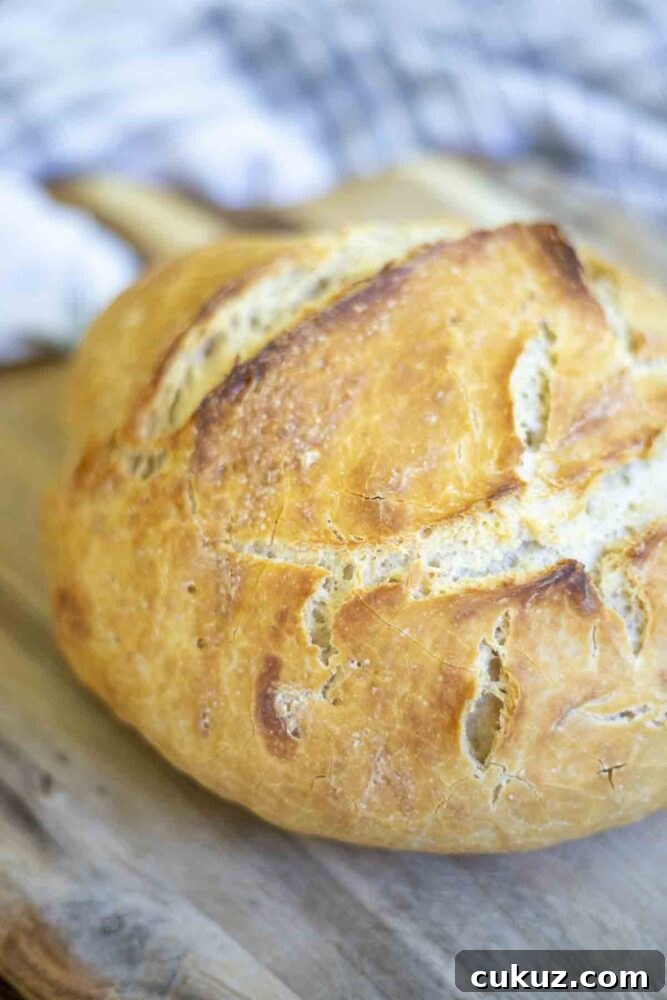
Scoring creates attractive patterns and helps control where the loaf expands during baking. It’s optional, but it gives a more intentional look and predictable rise.
How long does sourdough bread last?
Stored in an airtight container, sourdough bread stays fresh about 7 days. For longer storage, freeze slices in a zip-top bag for up to 6 months.
Tools:
Large mixing bowl
Measuring cups and spoons
Dutch oven (recommended) or a loaf pan if you prefer a sandwich-style loaf.
Ingredients
Sourdough discard – Unfed discard works fine; active starter may also be used.
All-purpose flour – You can substitute up to half with whole wheat if desired.
Warm water – Warm to the touch, not hot.
Salt – Essential for flavor; don’t skip it.
Active dry yeast – Use active dry yeast (not instant) to ensure consistent rise; the commercial yeast makes this method reliable.
How To Make Sourdough Discard Bread
Warm the water to about 90°F (warm to the touch) and sprinkle in the active dry yeast. Stir and let sit 5 minutes until bubbly.
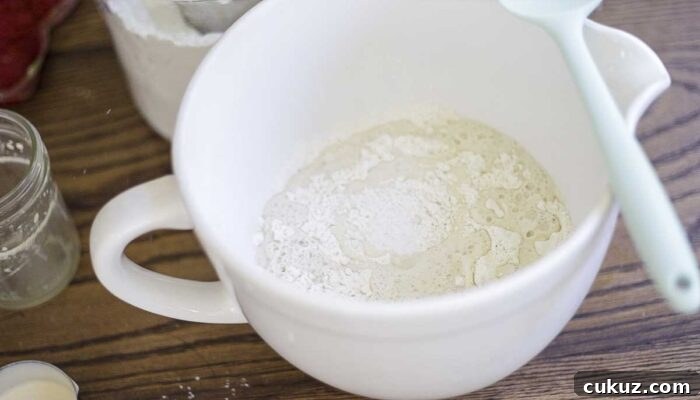
In a large bowl, combine the flour, salt, sourdough discard, and the water–yeast mixture. Stir with a spoon, spatula, or your hands until a loose, shaggy dough forms.
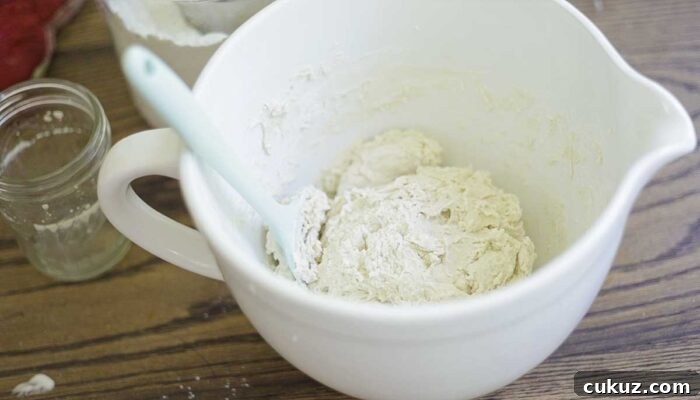
Start with about 1 cup of water and add up to an additional 1/4 cup if needed, depending on your starter’s hydration. The dough should be fairly dry at first and will soften as it proofs.
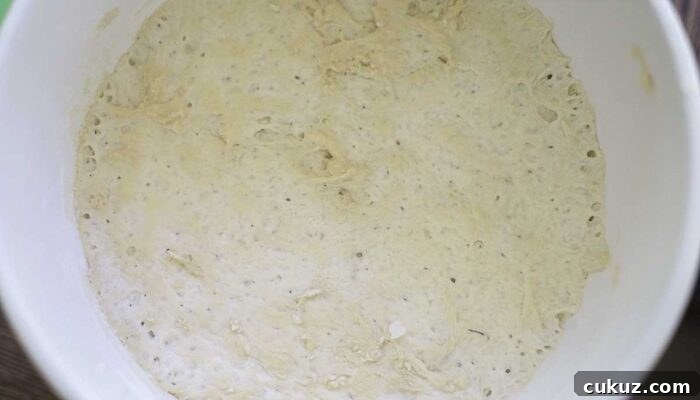
Cover the bowl tightly and leave at room temperature for 2–24 hours. Longer resting produces a tangier flavor. To avoid overproofing, you can refrigerate the dough after about 12 hours.
Preheat your oven to 450°F and place a dutch oven with its lid inside to heat for about an hour.
When the oven is preheated, transfer the dough onto parchment paper and shape it by hand. Cover with a towel and let it rest for about one hour for a second proof.
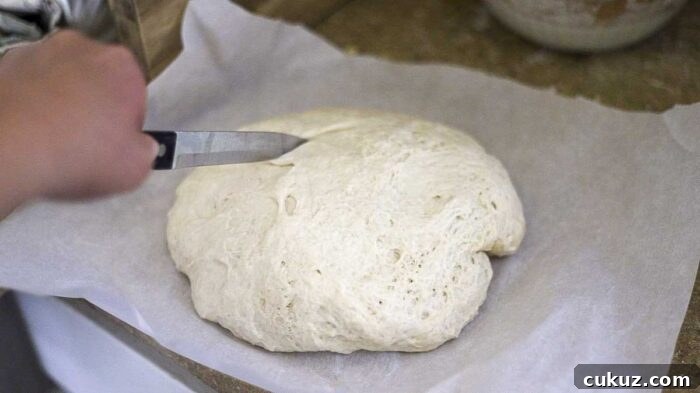
After the second proof, score the dough with a sharp knife or lame. Dusting with flour before scoring can help the cuts open more dramatically.
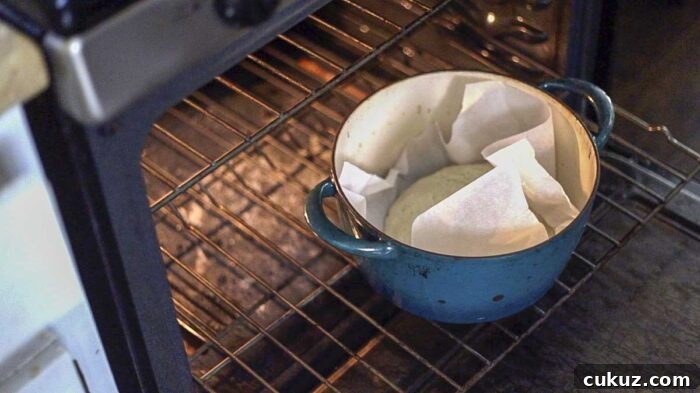
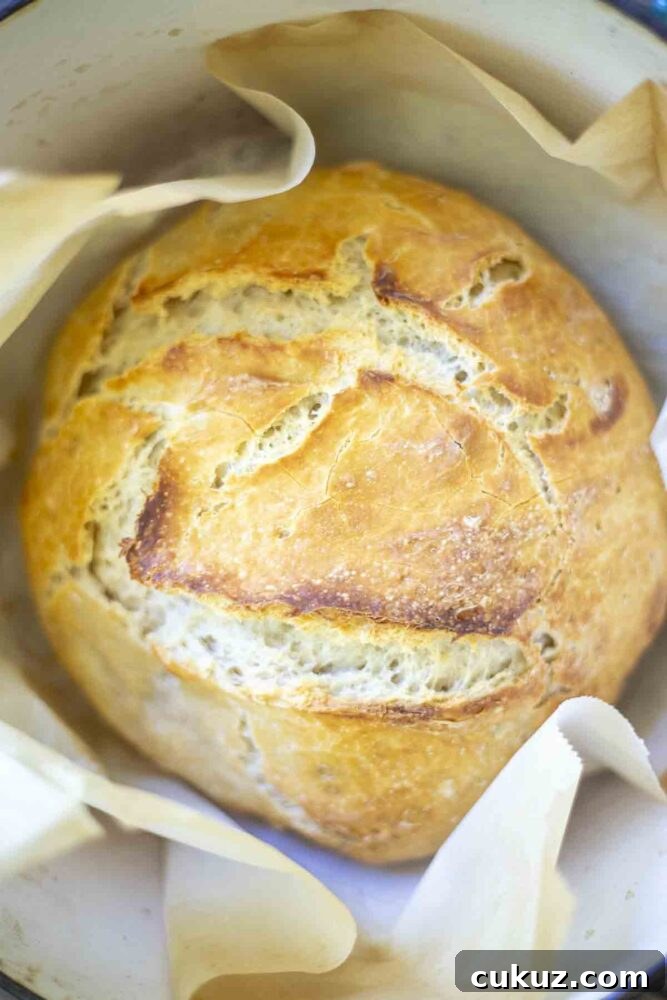
Place the dough with the parchment into the hot dutch oven, cover, and bake 25 minutes. Remove the lid and bake another 25–30 minutes until the crust is deep golden brown.
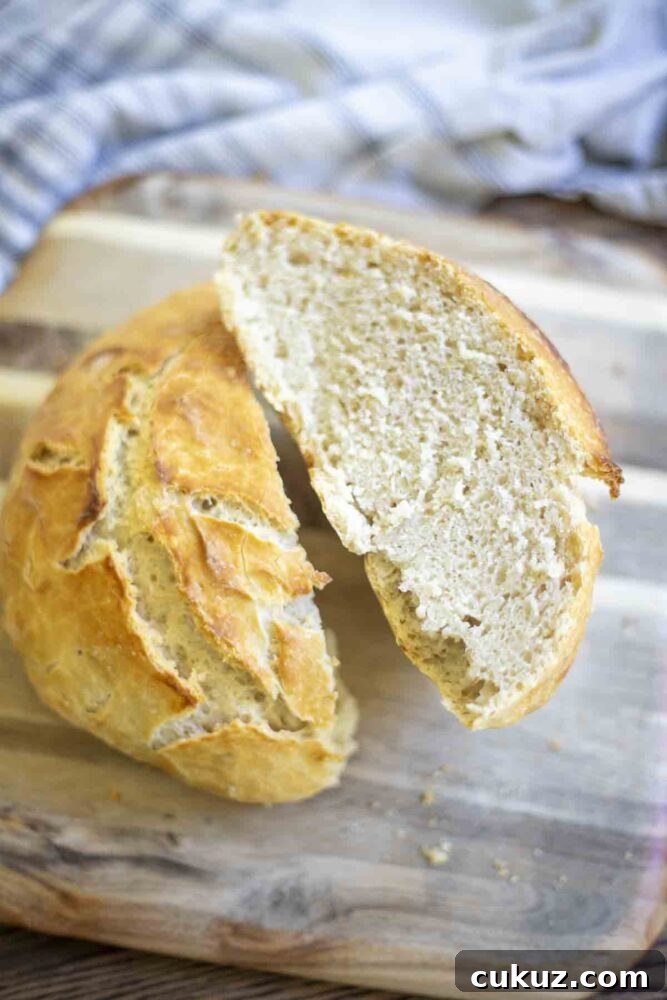
Cool completely on a wire rack before slicing to set the crumb.
Baking Schedule Example:
12:00 PM: Realize you forgot to feed your starter but want bread for tomorrow.
12:05 PM: Mix the dough with discard, warm water, yeast, flour, and salt. Cover and let sit.
8:00 PM: Place the covered dough in the fridge to slow fermentation overnight.
3:30 PM: Next day, preheat the oven and dutch oven. Shape and rest the dough.
4:30 PM: Bake in the hot dutch oven as directed.
5:20 PM: Cool completely, then slice and enjoy.
Enjoy this easy and reliable sourdough discard loaf—great for sandwiches, toasting, or serving with soups and salads.
How to store sourdough bread:
Store at room temperature in an airtight container for up to 7 days. For longer storage, freeze slices in a zip-top bag for up to 6 months. Stale bread can be repurposed into croutons or French toast.
Find More Of Our Favorite Sourdough Recipes:
- Oatmeal Breakfast Cookies
- Discard Pancakes
- Sourdough Discard Chocolate Chip Bread
- Easy Discard Banana Muffins
- Apple Scones With Cinnamon Glaze
If you try this recipe and enjoy it, please leave a comment and rating. Tag @ablossominglife on Instagram to share your loaf!
Sourdough Discard Bread
Equipment
-
Dutch Oven
Ingredients
- 3 cups all-purpose flour
- 1 cup + warm water
- 1/2 cup sourdough discard
- 1/2 tbs salt
- 2 tsp active dry yeast
Instructions
-
Warm water to about 90 degrees and add yeast. Stir and allow to sit for about 5 minutes until it gets bubbly.
-
In a large mixing bowl, add flour, salt, sourdough discard, and the water yeast mixture.
-
Stir until a loose, shaggy dough forms. Add up to 1/4 cup more water if needed depending on your starter’s hydration.
-
Cover tightly and rest at room temperature for 2–24 hours. Optionally refrigerate after about 12 hours to slow fermentation.
-
Preheat oven to 450°F and heat a dutch oven with its lid inside for about an hour.
-
Place the dough on parchment, shape, cover, and let rest for one hour for a second proof.
-
Score the dough, then place it with the parchment into the hot dutch oven. Cover and bake 25 minutes.
-
Remove the lid and bake another 25–30 minutes until the crust is deep golden brown.
-
Cool completely on a wire rack before slicing.
Notes
- For crusty, artisan results bake in a preheated dutch oven.
- Use warm water to proof the yeast—too hot will kill it.
- If dough seems overproofed and loose, chill it briefly before baking.
- To double the recipe, one large bowl works, but two bowls can give steadier results.
Nutrition
| Calories: 187 kcal