You’ve likely heard the terms Indica and Sativa when exploring cannabis, but what do they actually mean? This guide explains the differences and helps you choose strains that suit your needs.
Article Features
- A concise overview of Indica vs. Sativa
- Why most cannabis plants are hybrids
- Want to skip the hard work? Shop with me for premium, high-quality cannabis products delivered to your door! Now shipping across the US.

Why You Will Love This Guide
Before we begin, it helps to clarify that “hemp” and “marijuana” are legal definitions, not botanical species. A cannabis plant with less than 0.3% THC is classified as hemp; anything above 0.3% is classified as marijuana. Botanically, both are Cannabis sativa plants with varying cannabinoid profiles.
The commonly referenced botanical categories are Indica and Sativa, with Ruderalis being less prominent. Most plants you encounter are hybrids rather than pure Indica or pure Sativa.
This guide will compare these types, explain their typical effects, list common strains, and offer pointers for finding what works best for you.
What Are Cannabis Strains?
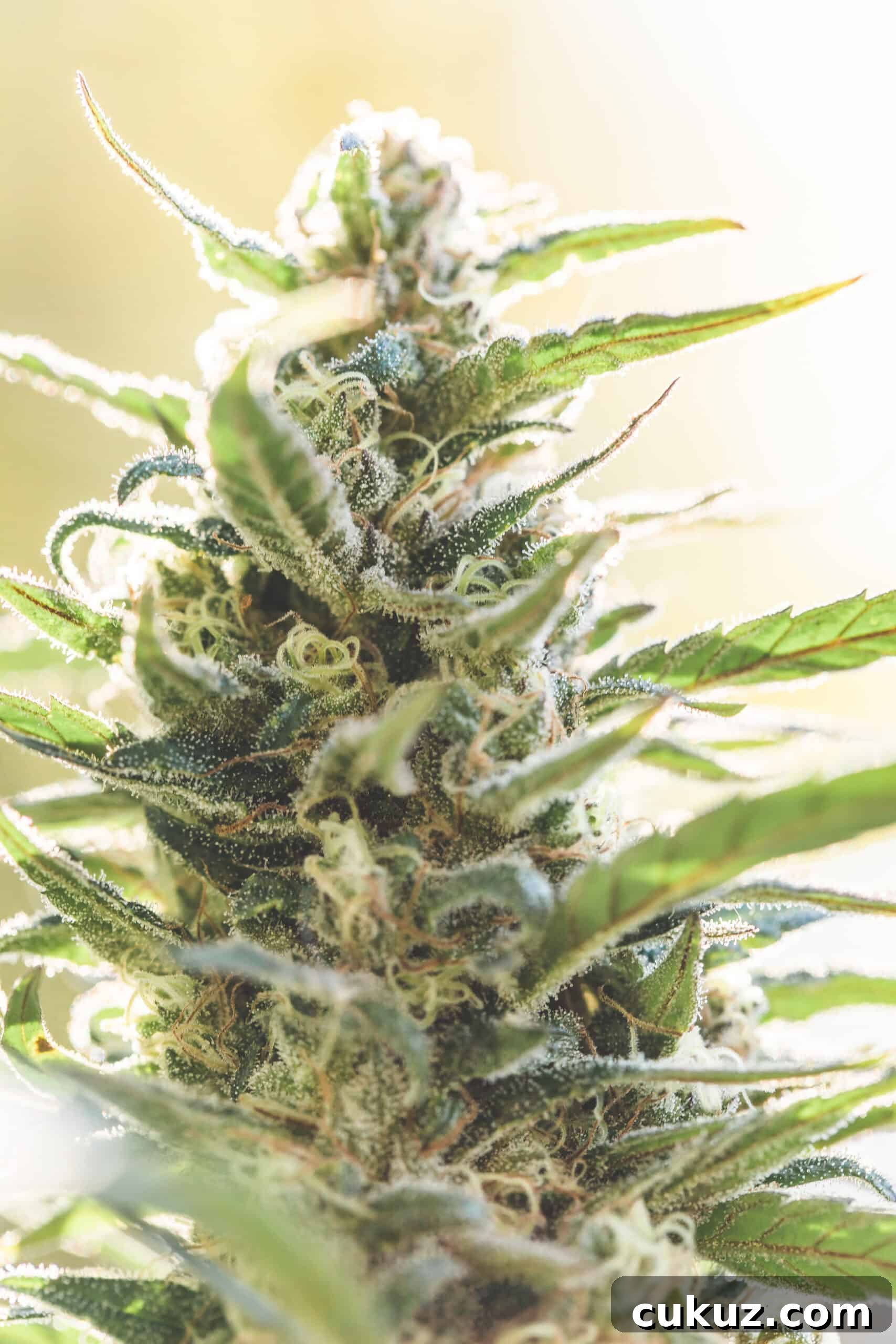
Cannabis is valued worldwide for both recreational and medicinal uses. Traditionally, the plant is grouped into Indica, Sativa, and Hybrid categories, though experts debate how meaningful those labels are when based solely on appearance.
A more practical approach is to consider specific strains. There are hundreds—if not thousands—of strains, each with a distinct chemical profile and effects that vary between individuals.
What is a strain?
A cannabis strain is a cultivated variety bred for particular traits: effects, flavor, aroma, and cannabinoid or terpene content. Growers select and cross strains to emphasize characteristics such as pain relief, a clear daytime head high, or high THC levels for stronger psychoactive effects.
Strains differ at the molecular level. Each has a unique balance of cannabinoids and terpenes—the aromatic compounds that shape aroma and contribute to the entourage effect. How a strain affects you depends on your endocannabinoid system, metabolism, genetics, and other personal factors.
Some popular strains include:
- Blue Dream
- Sour Diesel
- Acapulco Gold
- Purple Kush
- Bubba Kush
Whether you use medical cannabis or recreationally, understanding strain differences helps you make informed choices. Below we explore Indica, Sativa, and Hybrid characteristics and effects.
What is Indica?
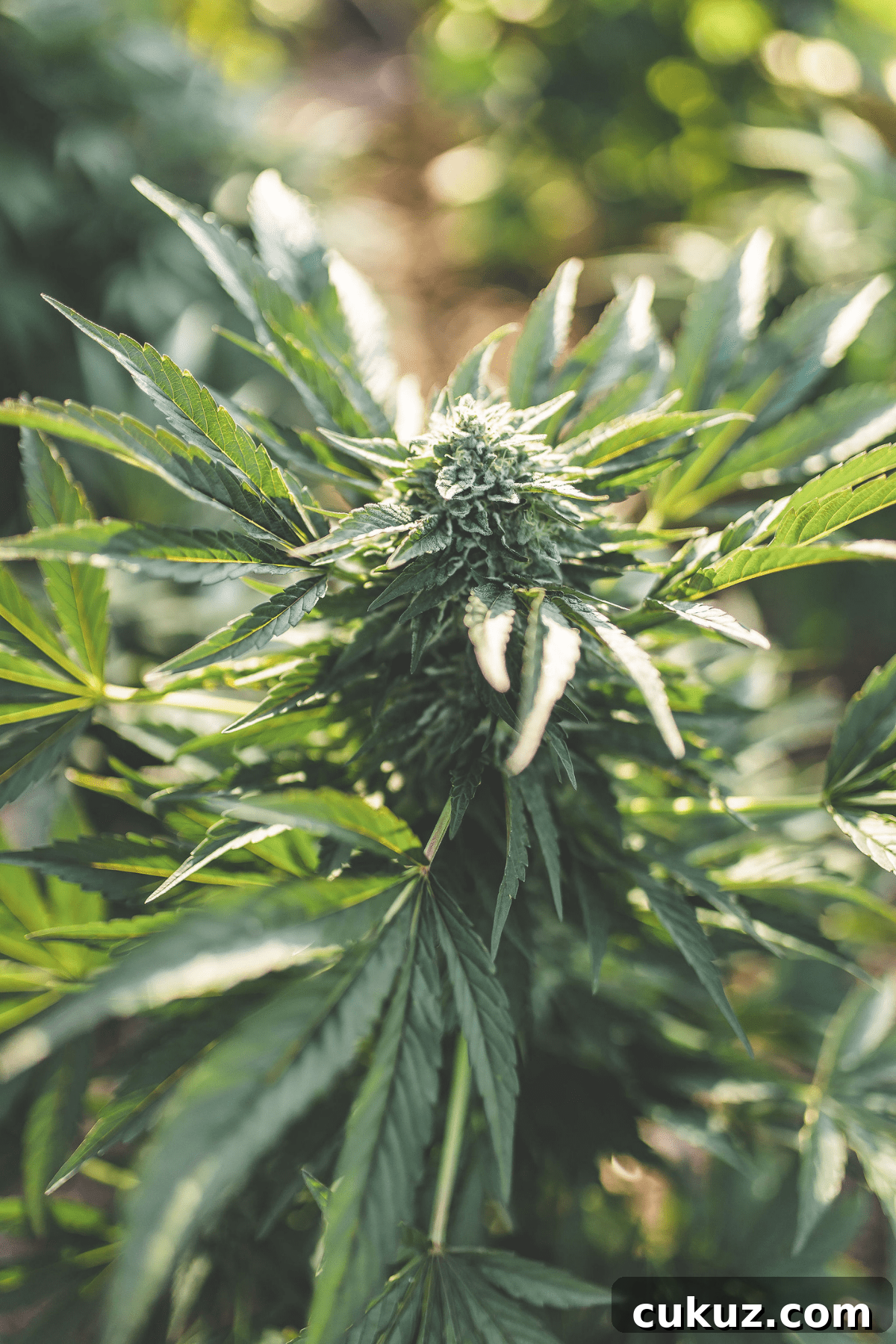
Cannabis indica originates from regions such as Afghanistan, India, and Pakistan. Indica plants are typically short and bushy with broad, chunky leaves. Many Indica-dominant strains tend to have higher THC and lower CBD, though cannabinoid levels vary by strain and cultivation.
Effects Associated with Indica Strains
Indica strains are commonly reported to produce relaxing, sedative effects. People often use Indica-dominant strains in the evening to unwind—hence the tongue-in-cheek nickname “in da couch.”
Anecdotally, Indica strains are used for nausea relief, pain reduction, and appetite stimulation, making them popular among medical users.
Popular Indica strains include:
- Hindu Kush
- Afghan Kush
- Granddaddy Purple
- Purple Kush
- Bubba Kush
- Northern Lights
- Blueberry
- 9 LB Hammer
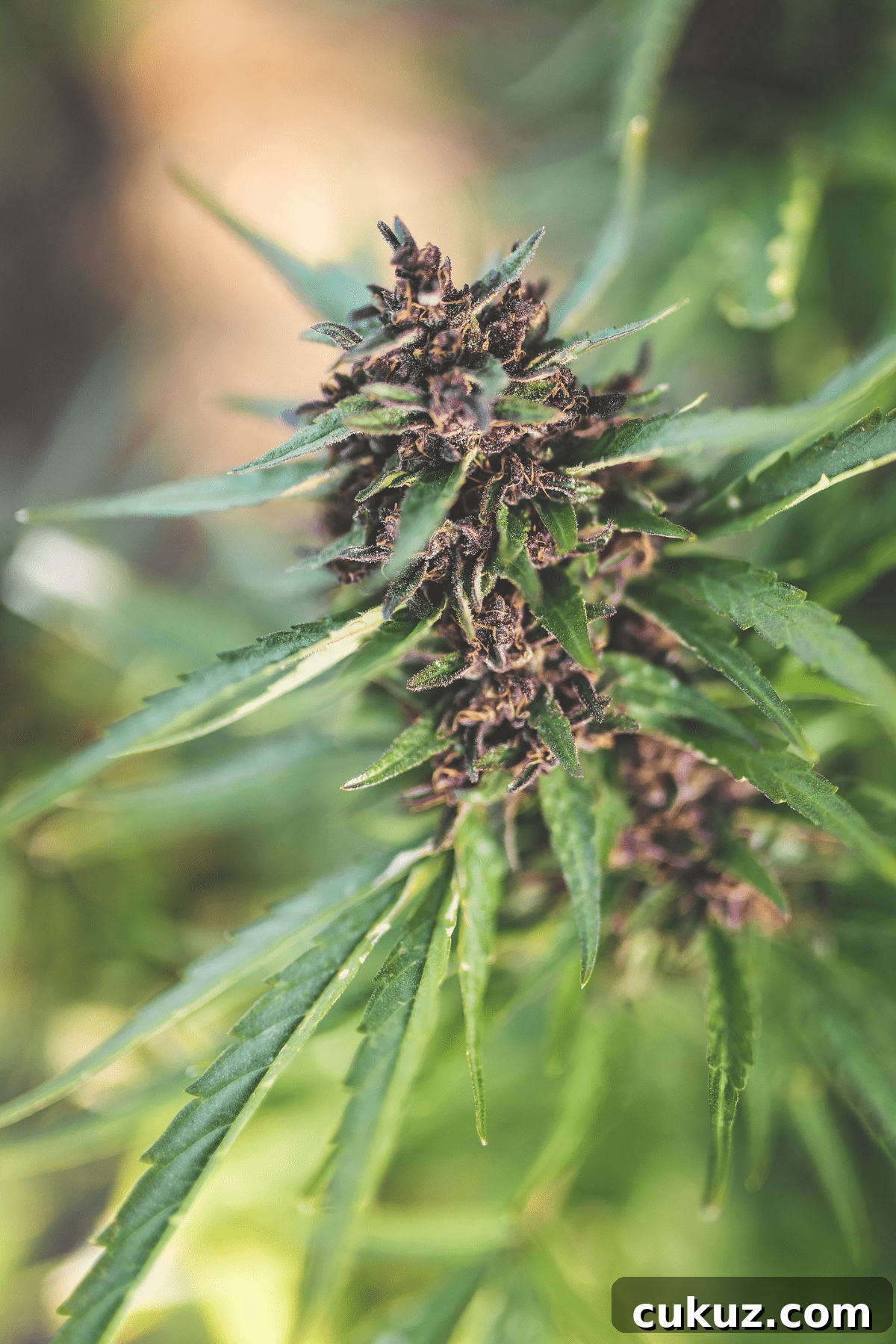
What is Sativa?
Cannabis sativa evolved in warmer climates including parts of Africa, Central America, and Southeast Asia. Sativa plants are generally taller with narrow, finger-like leaves. Like Indica, Sativa strains vary chemically, but they are often associated with energizing cerebral effects.
Popular Sativa strains include:
- Acapulco Gold
- Panama Red
- Durban Poison
- Green Crack
- Super Silver Haze
- Sour Diesel
- Tangie
- Strawberry Cough
- Blue Dream
Effects Associated with Sativa Strains
Sativa strains are often described as uplifting and stimulating, promoting mental energy and creativity. Many people choose Sativa-dominant strains for daytime use when they want focus and motivation rather than sedation.
However, some users experience unwanted side effects like increased anxiety with certain Sativa-dominant or high-THC strains. If you notice heightened anxiety, consider trying Indica-dominant or higher-CBD options instead.
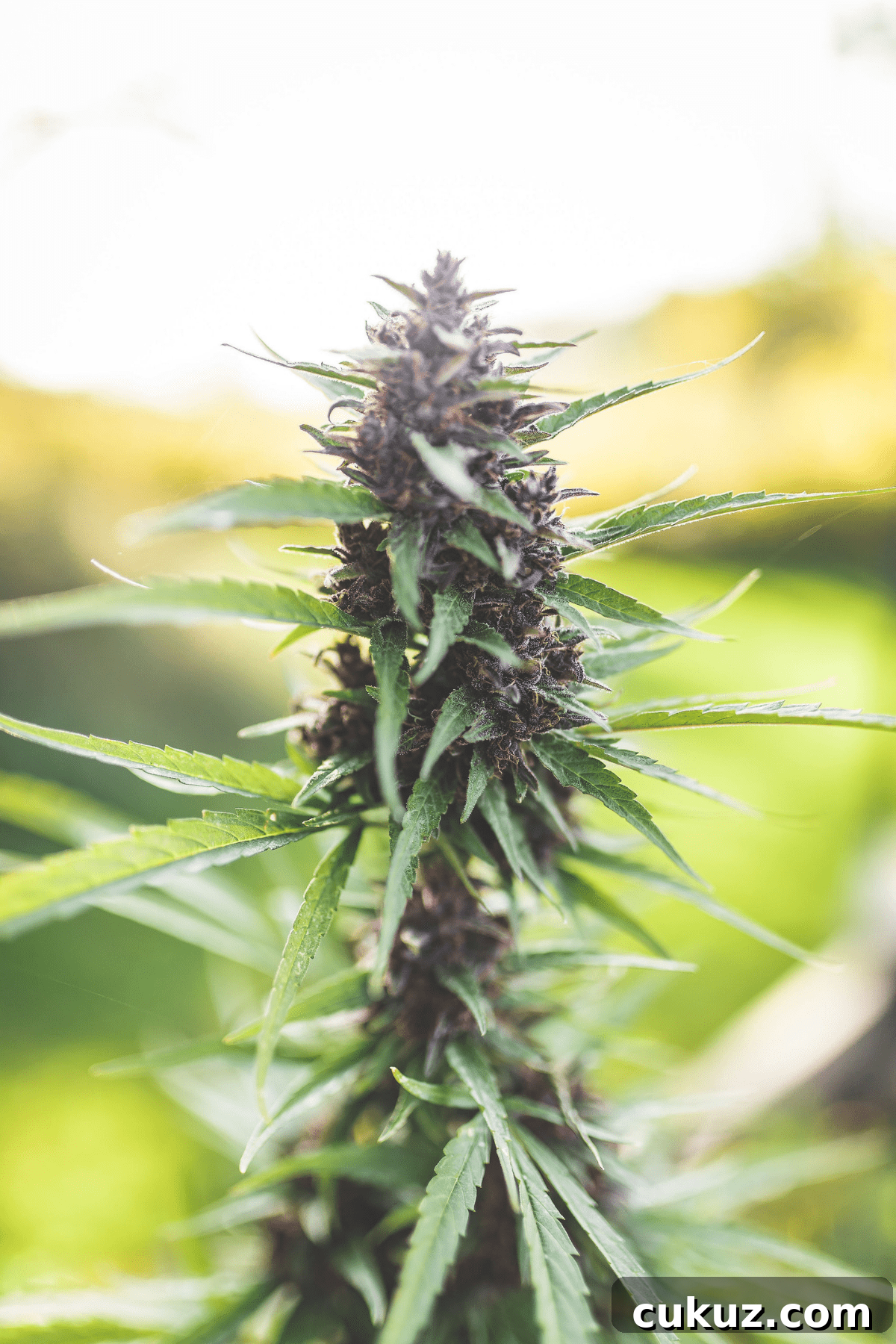
What are Hybrid Strains?
Hybrid strains combine characteristics of both Indica and Sativa. Breeders cross strains to blend desired traits, producing plants that can lean toward Indica-like or Sativa-like appearance and effects depending on dominance.
Hybrids are often described as Indica-dominant or Sativa-dominant and are used to target specific issues such as anxiety, stress, or pain.
Popular hybrid strains include:
- OG Kush (commonly reported around 55% Sativa, 45% Indica)
- Wedding Cake
- Runtz
- Girl Scout Cookies
Why Does it Matter?
Mental health and chronic pain affect millions of people. Different cannabis varieties can produce different outcomes for anxiety, pain, sleep, and daily functioning. While research is ongoing, many patients report using cannabis before seeking conventional medical care.
If Sativa-dominant strains trigger anxiety for you, switching to Indica-dominant strains or higher-CBD products may help. The goal is to match a strain’s effects to your personal needs, whether for daytime focus, nighttime relaxation, or symptom relief.
Conclusion
Indica and Sativa are useful starting points for understanding cannabis, but their effects vary by individual and by the chemical profile of each strain. Many experts caution against relying solely on these categories, recommending attention to specific cannabinoid and terpene profiles instead.
Finding the right strain requires experimentation and awareness of how your body responds. Choosing strains that align with your goals—relief, relaxation, or daytime clarity—can help you make the most of cannabis for wellness.

More Guides You Will Love
Growing Cannabis
Top 5 Benefits of Growing Cannabis Outdoors
Growing Cannabis
Auto-Flowering vs. Photoperiod: Choosing the Right Option for You
Growing Cannabis
How to Harvest Outdoor Cannabis Plants
Growing Cannabis