Restaurant Truths
Restaurant Truths
Restaurant Truths
We’ve all had suspicions about what goes on behind the kitchen door. After more than two decades in the food service industry, I can assure you many of those rumors are exaggerated, while others are grounded in reality. Here are honest insights into common restaurant practices that every diner should know.
Leftover rolls and bread rarely go to waste. Rather than being thrown away, unsliced or uneaten bread is often repurposed as breadcrumbs, croutons, or baked into bread pudding. Restaurants aim to reduce waste while getting the most from their ingredients.
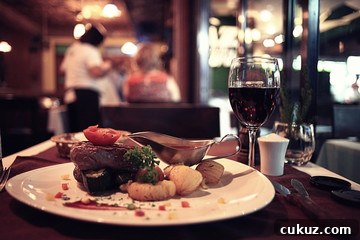
Sending a steak back because it isn’t cooked to your preferred doneness can have unintended consequences. Attempts to overcook a steak after it has been seared frequently lead to reheating methods—like the microwave—that dry it out and make it tough. If you prefer a well-done steak, it’s best to request that preparation when ordering so the kitchen can cook it properly the first time.
Asking for ketchup with a premium cut of steak is often frowned upon by culinary staff. Many chefs take pride in how a steak is seasoned and presented, and condiments can be seen as undermining that effort. If you prefer ketchup, expect some gentle teasing from staff who care about the craft.
Specials and daily soups commonly incorporate trimmings and leftover pieces. Vegetable peels and ends, along with smaller cuts of poultry, beef, or fish, are frequently combined into soups, stews, or other special dishes. A seafood gumbo or mixed fish stew may include various scraps from that day’s butchering—nothing unsafe, just a practical use of all usable product.
Fresh seafood deliveries are often limited on weekends. Because many suppliers don’t deliver on Saturdays and Sundays, dishes labeled “fresh” on Sunday or Monday may have been in storage longer than expected. If you want the freshest catch, consider ordering seafood earlier in the week.
Specials can be both creative dishes and a way to move inventory. If a special like prime rib is available one night and there’s a significant amount left, you might see it reimagined as a sandwich or another menu item the next day. That’s standard practice to manage food costs and minimize waste.
If you leave a bottle of wine behind, it will seldom be thrown out. Unopened or partially poured bottles are often consumed by staff rather than wasted, especially if the bottle was opened at the table and the diners decline to take it home.
Pasta dishes often offer a high profit margin. Dried pasta is inexpensive and, when combined with a few higher-cost ingredients such as sausage, cream, or cheese, can create a dish that costs little to produce but sells at a much higher price point. Fresh, handmade pasta is an exception and costs more to prepare.
Don’t assume citrus served with drinks has been thoroughly washed. Many restaurants do not wash lemons, limes, or oranges before slicing them for use in water or tea. The outer rind can carry dirt and bacteria, so if you want citrus on your drink, ask whether it was washed first.
If a seafood dish smells strongly fishy, send it back. Properly stored and cooked seafood should not have a pungent odor. A noticeable fishy smell is a sign the product may be past its prime, and it’s safer to choose an alternative dish.
If a menu item you want isn’t listed, ask the kitchen. Many restaurants can accommodate off-menu requests if the ingredients are on hand. If a chef goes out of their way to prepare something special, show appreciation with an extra thank-you and consider adding a little more to your server’s tip.
Avoid asking to meet the chef during the busiest service times. While chefs sometimes come out to greet guests, doing so on a Friday or Saturday night can interrupt their workflow and frustrate the kitchen staff when they return to service.
Don’t arrive with a large party just before closing. Kitchens go into “pre-close” mode to begin cleaning, covering sauces, and finishing prep for the next day. Bringing a big group 15 minutes before close places undue strain on staff and delays their departure.
If you’d like a recipe, it’s fine to ask. Servers will often collect contact information and pass requests along to the chef. Be patient—chefs respond when they have the time to share details.
Ordering a full multi-course meal when you’re in a hurry isn’t fair to staff. If you need a quick meal, let your server know up front so they can communicate with the kitchen. Otherwise, your order will be prepared in the normal sequence, which may be slower.
Requesting sauces or dressings on the side can alter the dish as intended by the kitchen. Many recipes rely on a specific balance of components; removing or separating a sauce can change the flavor and texture the chef designed. If you have dietary needs or preferences, explain them politely so the kitchen can accommodate while preserving the dish’s integrity.
Wishing you a great year ahead.
Chef Chuck Kerber