The Best Way to Identify Bad Chicken Broth or Make it Last

When in doubt, throw it out. If your chicken broth shows any signs of spoilage, discard it to avoid foodborne illness.
Many of us use a little chicken broth, reseal the container, and wonder days later whether it’s still safe. The same questions apply if you make your own broth and want to know how long it will last.
Below you’ll find clear, practical guidance on spotting spoiled chicken broth, how long it keeps, and simple storage and freezing methods to make your broth last longer.
Pro tip: freezing is the easiest way to extend shelf life—keep reading for simple steps.
Signs That Chicken Broth Has Gone Bad
If you’ve ever opened a carton of chicken broth and wondered, “Is this still okay to use?”—you’re not alone. Some spoilage is obvious, but other signs are subtler. Check for the following reliable indicators before using broth.
Here are the clear signs your chicken broth is no longer safe, how long it typically lasts once opened, and the best storage methods to prevent waste.
1. Smell
A sour, rancid, or otherwise off odor is a strong sign the broth has gone bad. Trust your nose—if it smells wrong, discard it.
2. Appearance
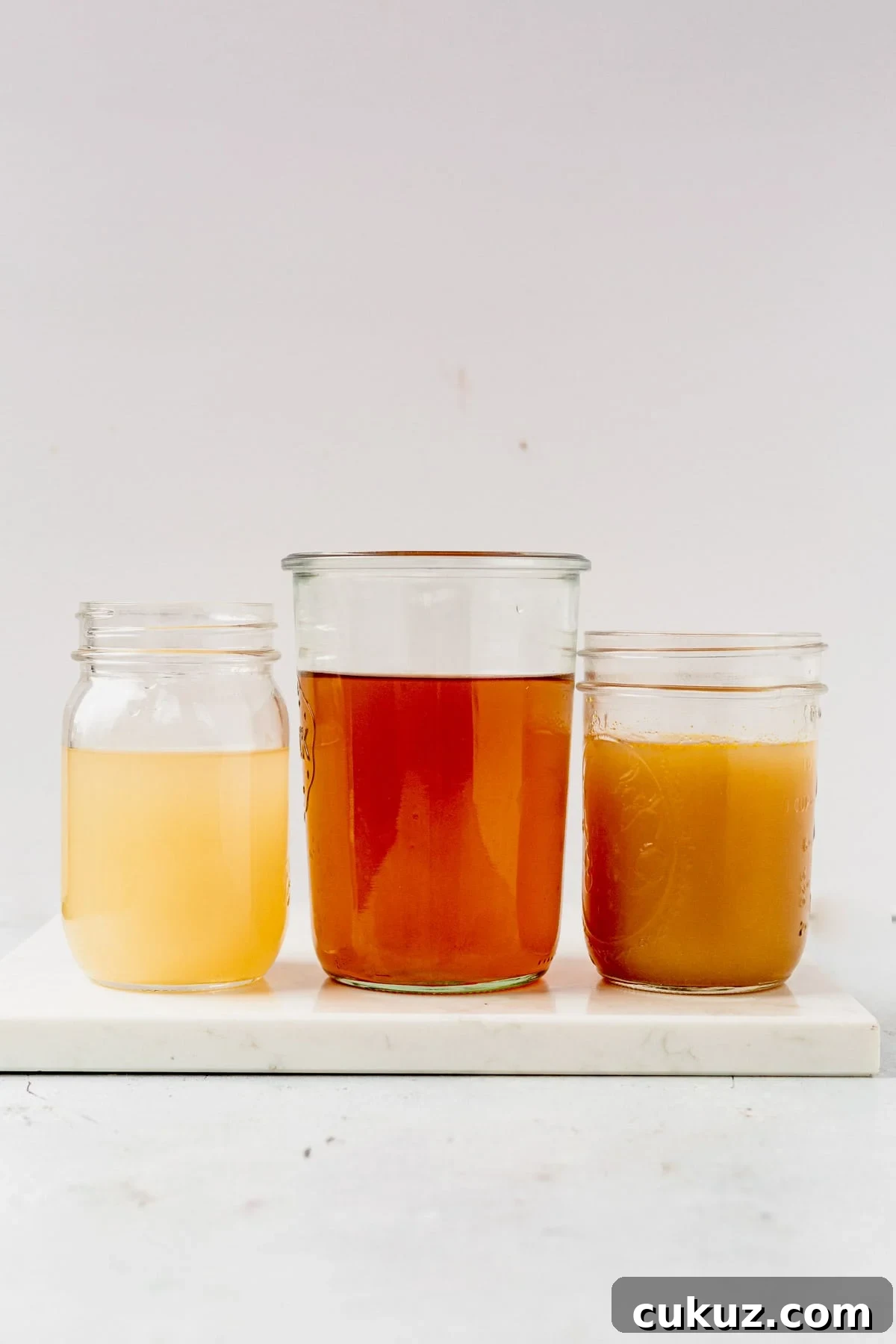
Fresh broth is usually clear or slightly golden. If the liquid is cloudy when it shouldn’t be, unusually dark, or has visible mold, don’t use it.
3. Texture
Spoiled broth may feel slimy or excessively thick when stirred. Note: homemade broth often gelatinizes when chilled—that’s normal—but if the texture is accompanied by a bad smell or odd color, throw it out.
4. Taste
Do not taste broth to decide if it’s bad. If it smells or looks off, discard it—tasting could expose you to harmful bacteria.
5. Container Issues
Inspect the packaging. A bloated, leaking, rusted, or heavily dented can or carton indicates possible contamination—discard immediately even if the product isn’t past its date.
Does Chicken Broth Go Bad?
Yes. Like other perishable foods, chicken broth has a limited shelf life and can become unsafe if mishandled or stored improperly. Its longevity depends on whether it’s store-bought (canned or carton), opened, or homemade, and on storage conditions.
Over time broth can develop off flavors, odors, and textures that indicate spoilage—if you notice any of those signs, discard it.
How Long Does Chicken Broth Last in the Fridge?
Shelf life varies by type and handling. Use these general guidelines to keep your broth safe:
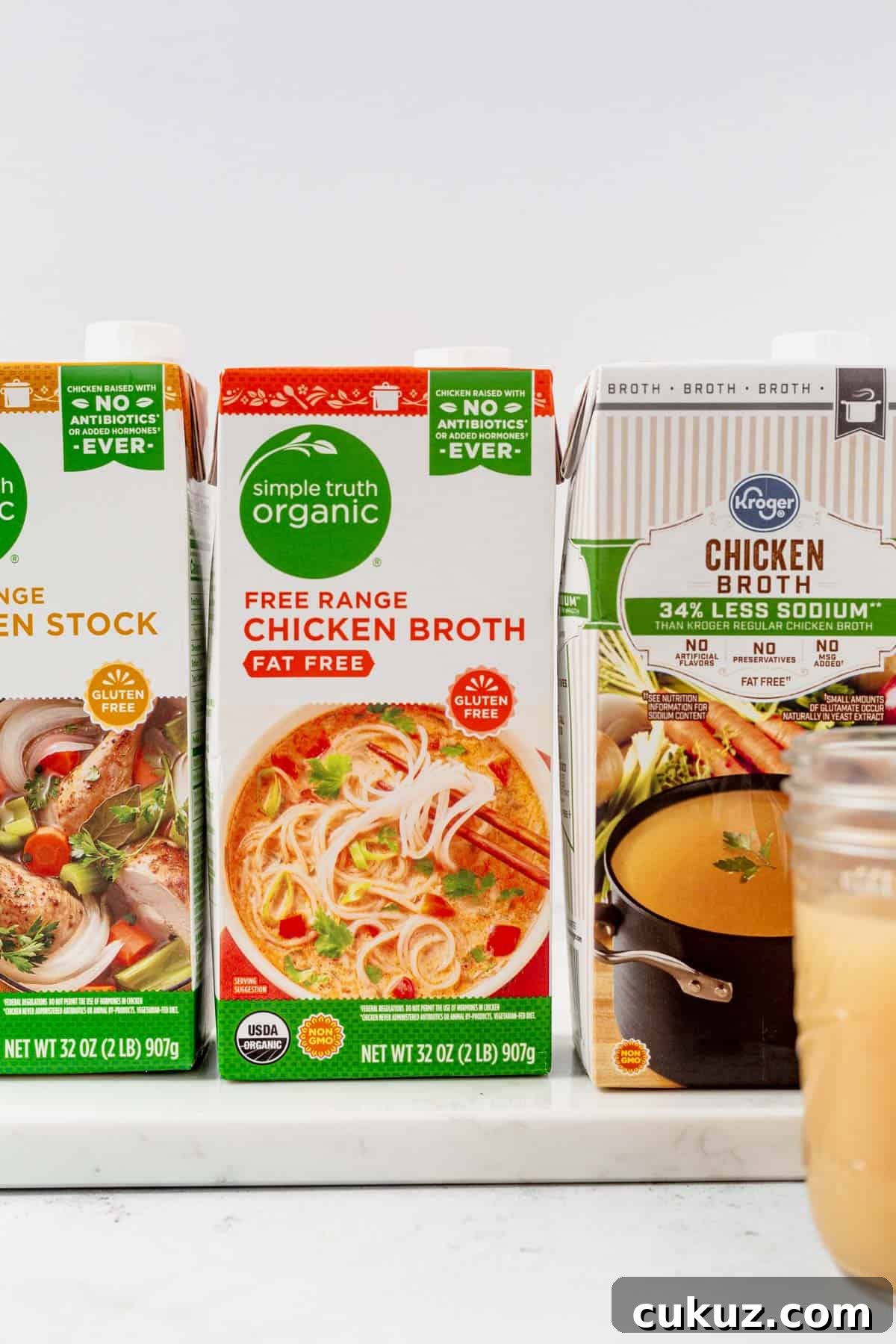
- Unopened store-bought: Follow the best-by date; typically shelf-stable for 6–12 months.
- Opened store-bought: Refrigerate and use within 4–5 days.
- Homemade: Refrigerate up to 4 days; freeze for longer storage (see freezing section).
- If you won’t use it within a few days, freeze it.
Tip: Label containers with the date you opened or made the broth so you can track freshness easily.
What Happens If You Use Bad Chicken Broth?
Using spoiled broth risks foodborne illness. Contaminated broth can harbor bacteria like Salmonella and other pathogens that cause stomach upset, vomiting, diarrhea, and more serious symptoms in vulnerable people.
Besides health risks, spoiled broth will negatively affect flavor and texture, making your dish taste off. When in doubt, discard the broth.
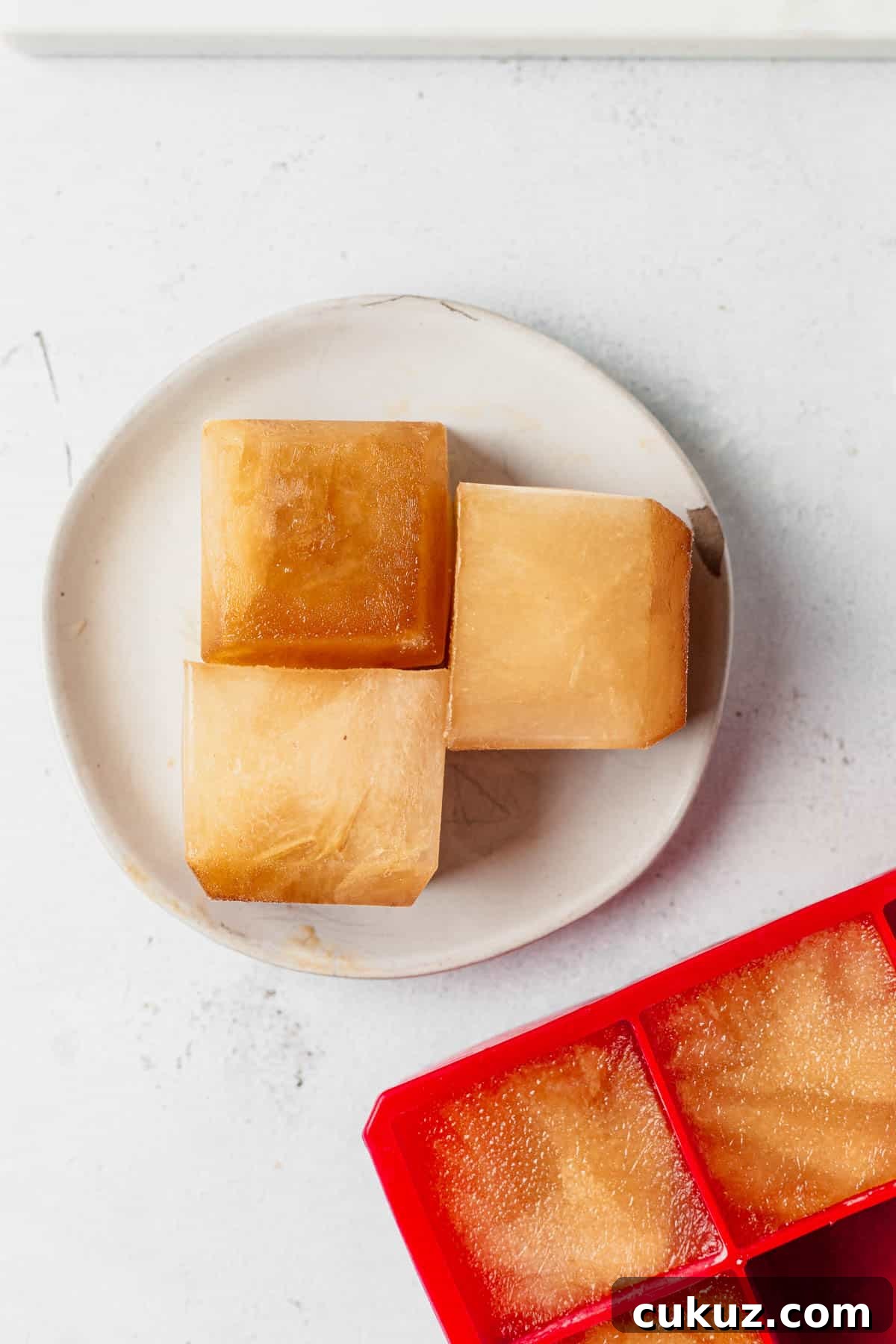
Can You Freeze Chicken Broth?
Yes. Freezing is an excellent way to extend shelf life and reduce waste. Follow these simple steps to freeze broth safely and conveniently:
- Cool: Let broth reach room temperature before freezing. Freezing hot liquids can create condensation and affect quality.
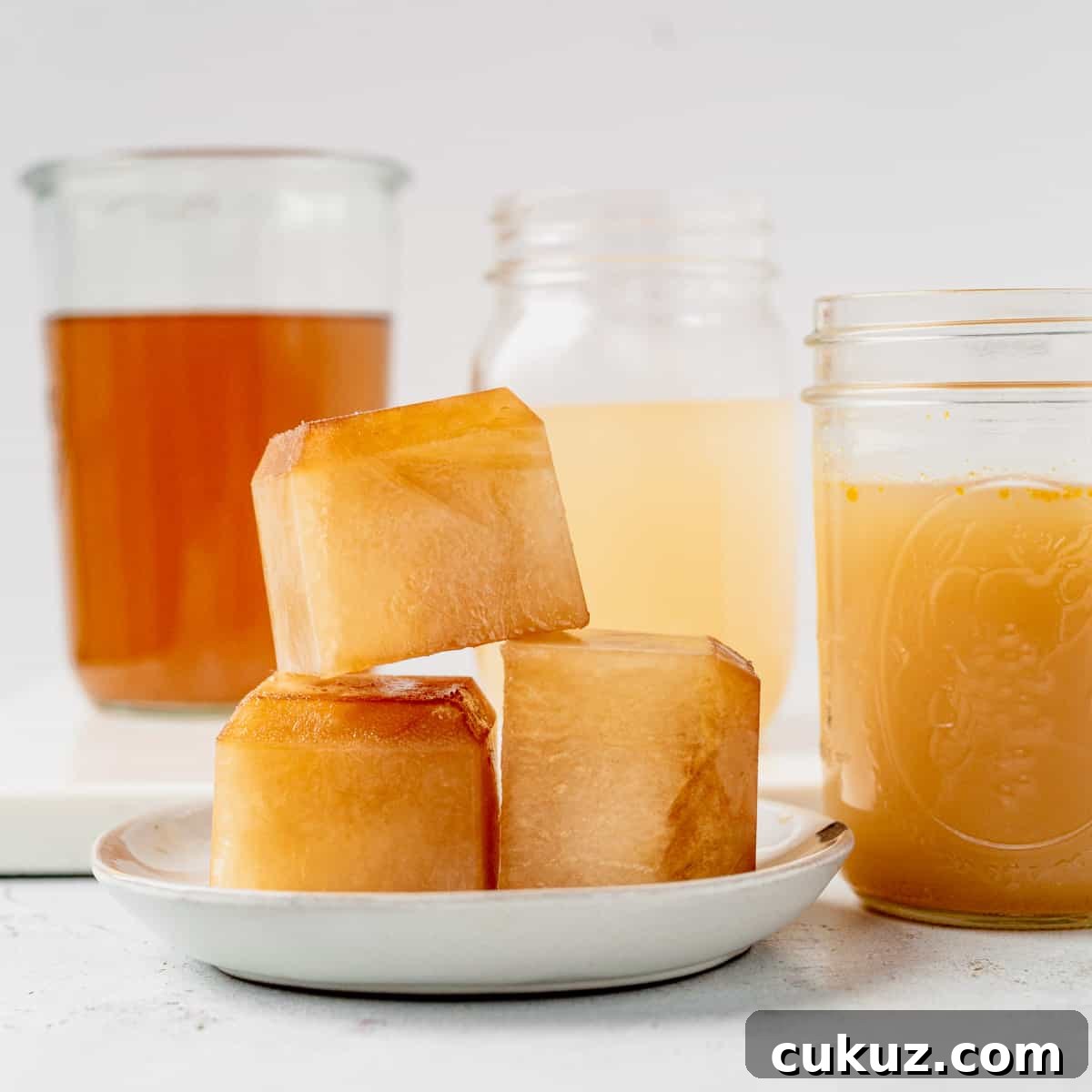
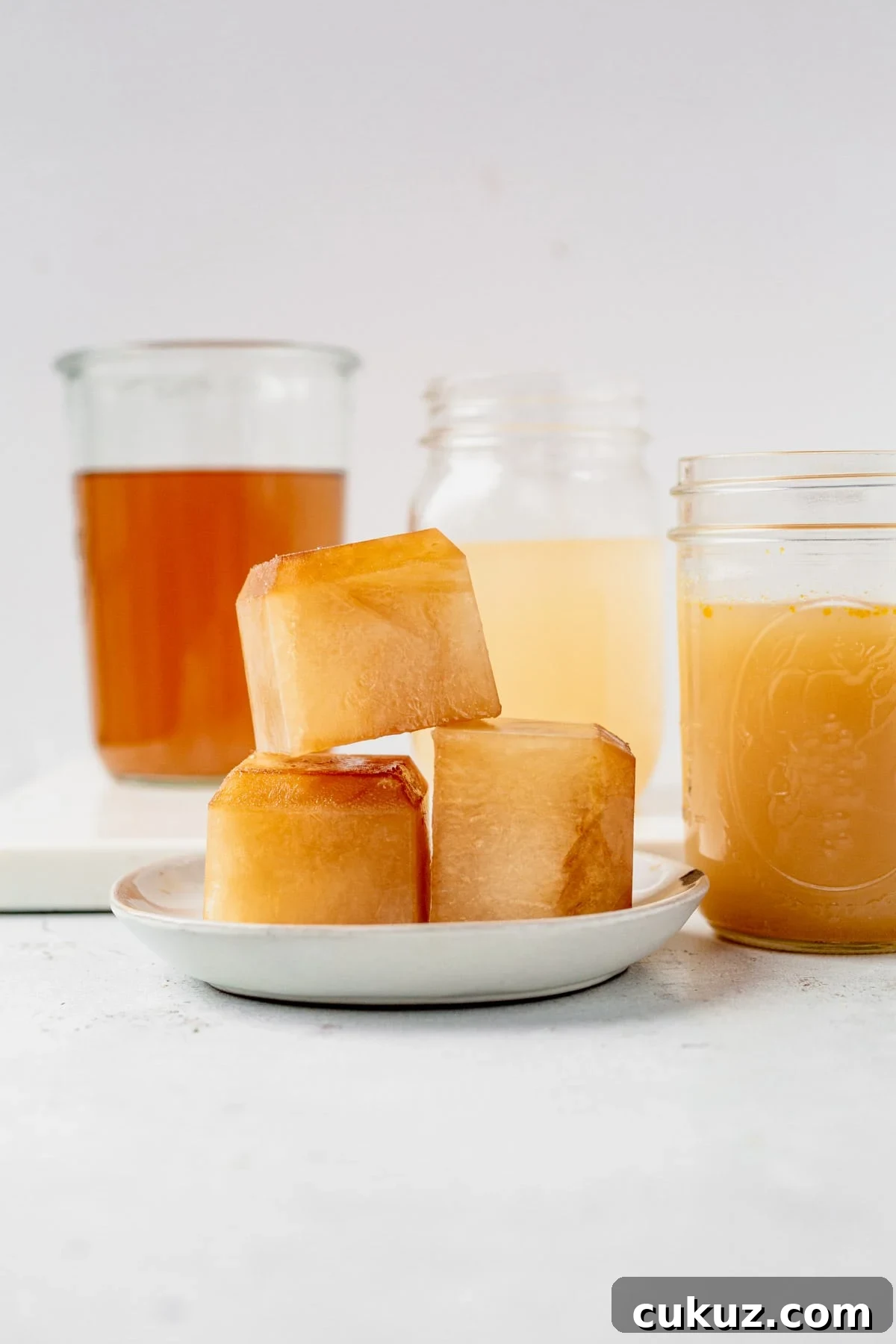
- Portion: Use ice cube trays or small containers to freeze broth in usable portions.
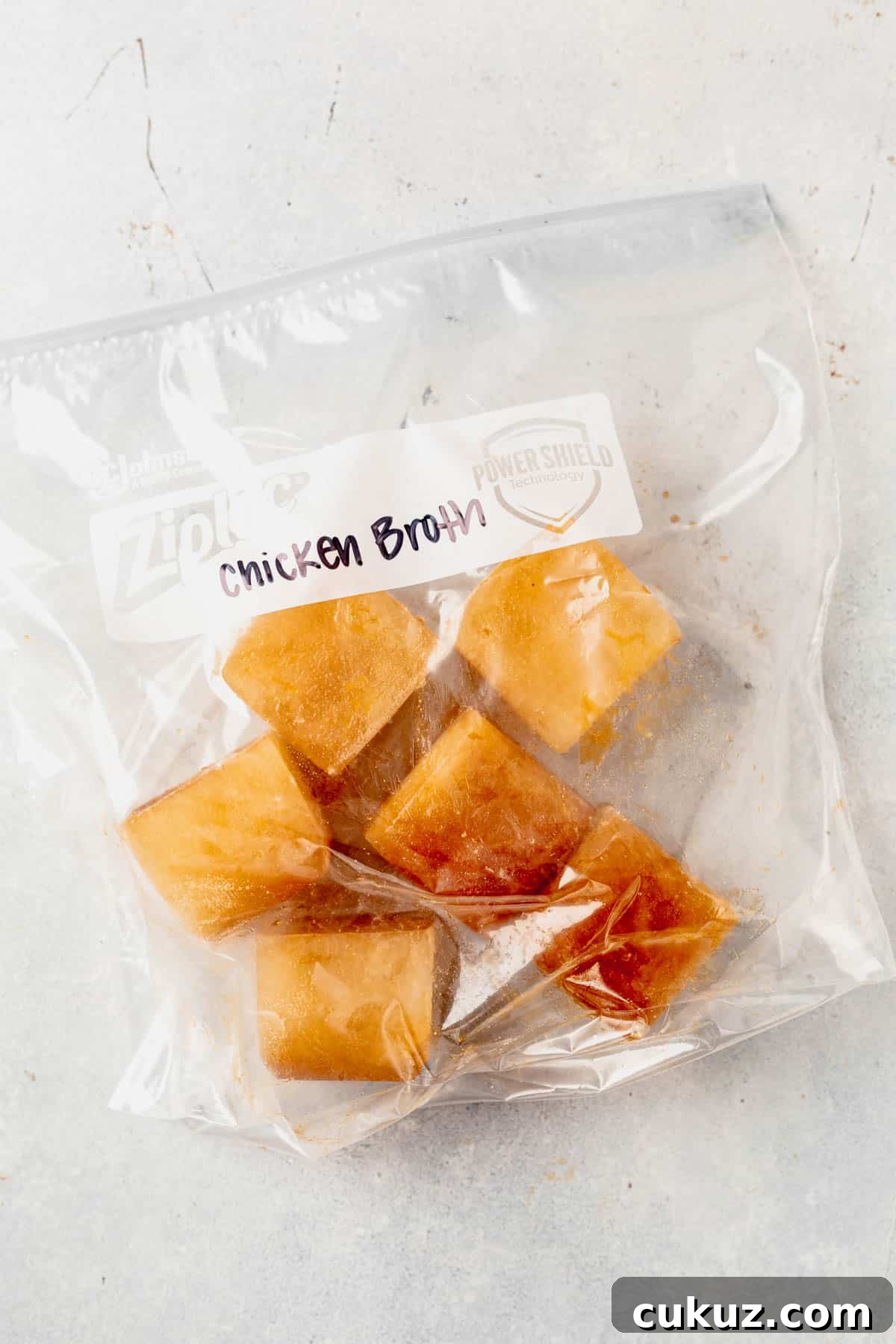
- Label: Write the date and contents on bags or containers so you can rotate stock easily.
- Transfer: Once frozen solid, move cubes to a sealed container or freezer bag to save space.
- Thaw: Thaw in the refrigerator overnight or place the sealed bag in cold water. Avoid thawing on the counter to reduce bacterial risk.
Tools and Storage Equipment
- Glass jars with tight lids: Great for storing broth in the fridge.
- Silicone ice cube trays: Easy to fill and pop out frozen broth portions.
- Airtight containers or reusable freezer bags: Use these to store frozen cubes and prevent freezer burn.
The Difference Between Chicken Broth and Stock
Broth and stock are similar but have differences in ingredients, flavor, and cooking time:
- Ingredients: Broth is usually made from meat (and sometimes bones) with vegetables and seasonings. Stock focuses on bones and aromatics.
- Flavor: Broth is seasoned and typically has a brighter, more pronounced flavor. Stock is more neutral and richly textured.
- Cooking time: Broth is cooked for a shorter time (a few hours); stock often simmers longer to extract gelatin and depth.
- Consistency: Stock can be thicker and more gelatinous when chilled, while broth tends to be thinner.

Recipes with Chicken Broth
If your broth is fresh and wholesome, use it in a variety of dishes:
Soups: Chicken broth is the foundation for many soups—chicken noodle, lemon chicken, or creamy gnocchi soups all benefit from good broth.
Pastas: Cooking pasta in broth adds flavor to one-pot pastas and creamy dishes.
Sauces and pan sauces: Deglazing with broth enhances pan sauces, gravies, and braises.
Slow-cooker meals: Add broth to slow-cooker recipes for moisture and depth of flavor.
More About Chicken
- How to marinate chicken
- Why chicken can turn rubbery
- How long to bake chicken wings
How to Freeze Chicken Broth
Save this Recipe!
Ingredients
- 32 ounces chicken broth homemade or store-bought
Instructions
-
Allow homemade broth to cool to room temperature if needed, then pour into silicone ice cube trays for easy portions.
-
Place trays on a flat surface in the freezer and freeze until solid, about 12 hours.
-
Label a freezer-safe bag or airtight container with the date. Pop the frozen broth cubes from the trays and transfer them to the container for longer storage—use within about 6 months for best quality.
-
Use frozen cubes directly in hot recipes or thaw in the refrigerator or a bowl of cold water when needed.
Notes
*Nutrition information is for 32 ounces of reduced-sodium chicken broth and is an approximation.
Equipment
-
Silicone ice cube trays
-
Airtight container or freezer bag (plastic or reusable)
Nutrition
Nutrition information is automatically calculated and should be used as an approximation.
FAQs
The clearest signs are visible mold or a sour, off smell. If you notice either, discard the broth.
Yes. The same basic rules—smell, appearance, texture, and packaging condition—apply when checking beef broth.
As a rule, opened store-bought and homemade broth are best within 3–4 days in the fridge; some sources say up to 7 days if no spoilage signs are present, but 3–4 days is the safest guideline.
Yes. Homemade broth often becomes cloudy or gelatinizes when chilled, which is normal. Cloudiness combined with a sour smell, mold, or slimy texture indicates spoilage.