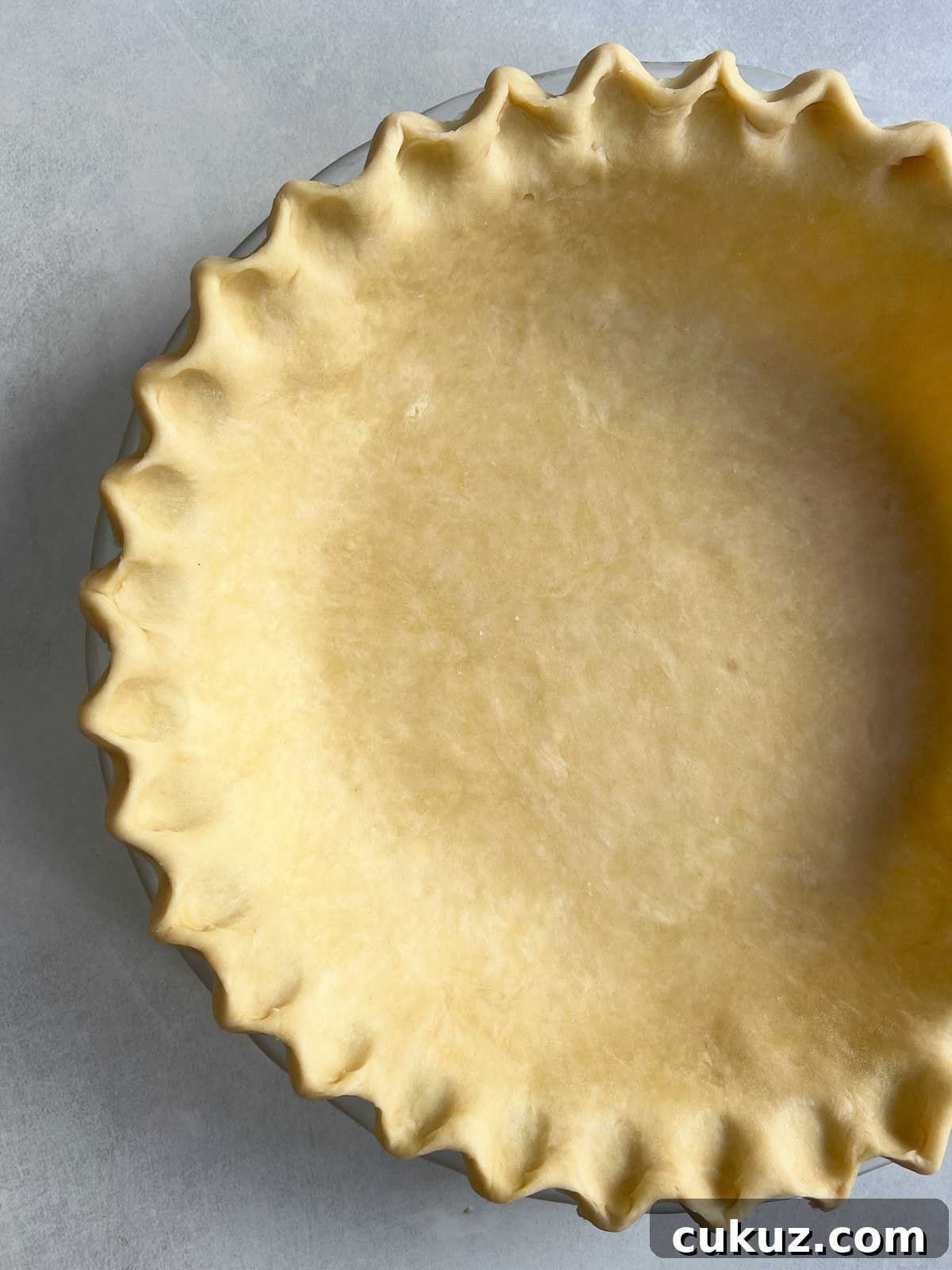
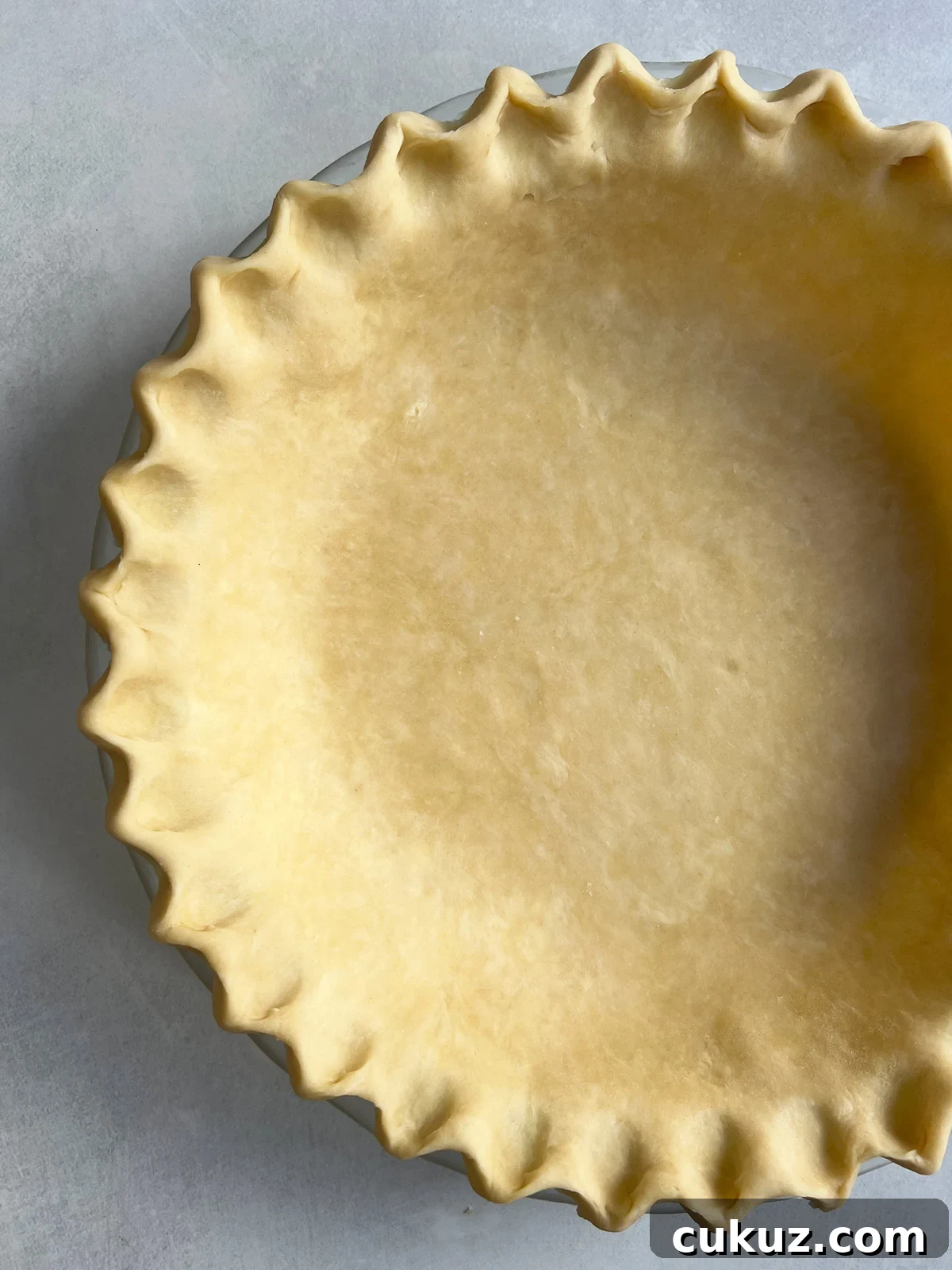
Homemade refrigerated pie crust — learn how to make a reliable butter-based pie dough, store the dough in the fridge or freezer, and be ready to bake a pie at any time.
For easy browsing, find all of my baking and dessert recipes in one place.
This post contains Amazon affiliate disclosures.
If the thought of making pie dough makes you nervous, you’re not alone. Before I started blogging, I was intimidated by anything that required butter, yeast or a rolling pin. Over time I learned simple methods and tips that make pie dough approachable and even fun. With a few basic techniques you’ll be able to make homemade refrigerated pie crusts with confidence.
Why you’ll love this recipe
Making your own pie crust saves money, improves flavor and gives you control over ingredients and texture. This post is aimed at beginners and the dough‑phobic: straightforward instructions, practical tips and options for refrigeration or freezing so you can prepare crusts ahead of time for holidays and weeknight baking.
Ingredients you’ll need
You need only a few pantry staples: flour, butter, a bit of sugar, salt and cold water. For savory pies, reduce or omit the sugar.
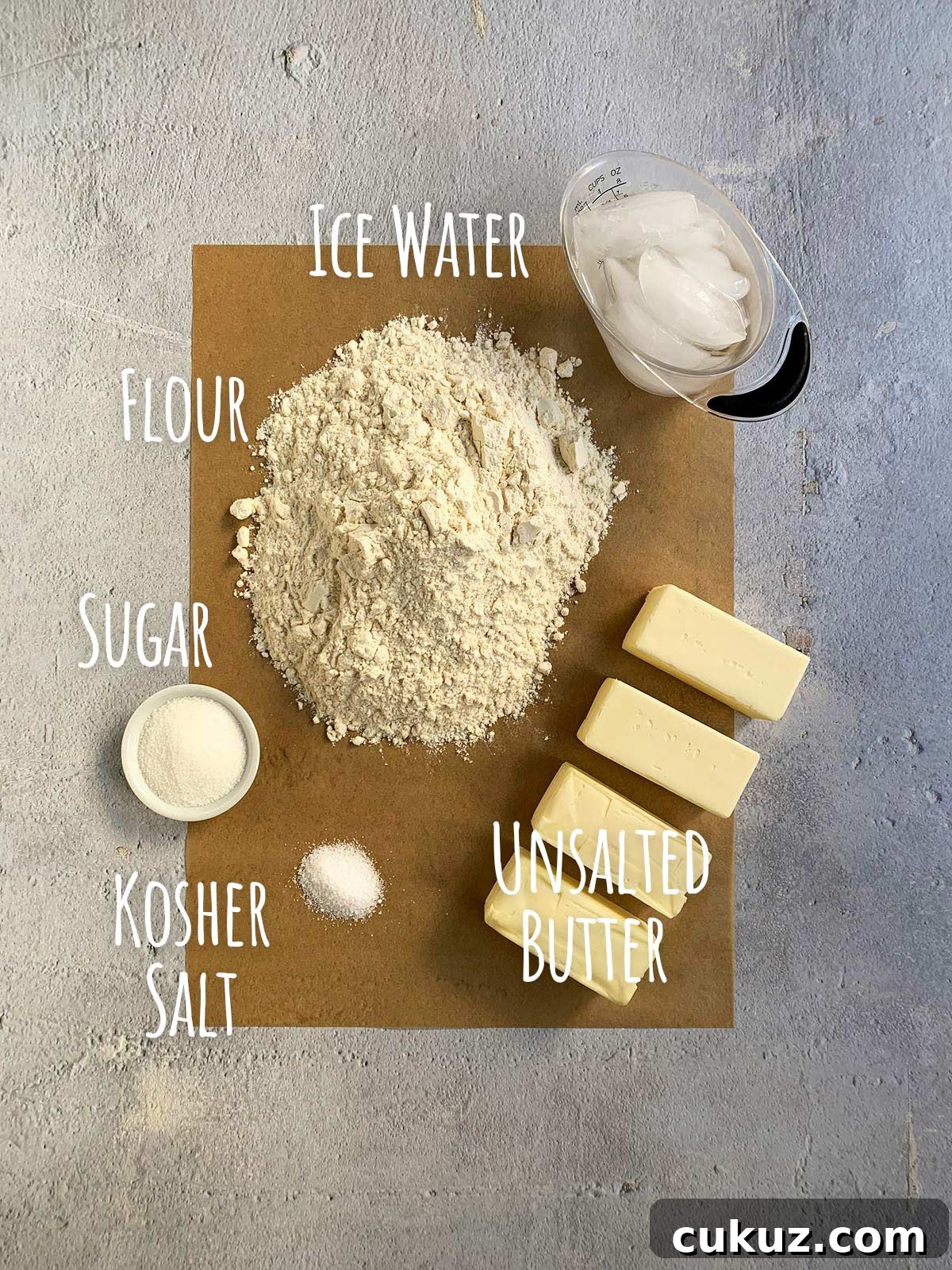
- All-purpose flour: Standard unbleached all-purpose works well.
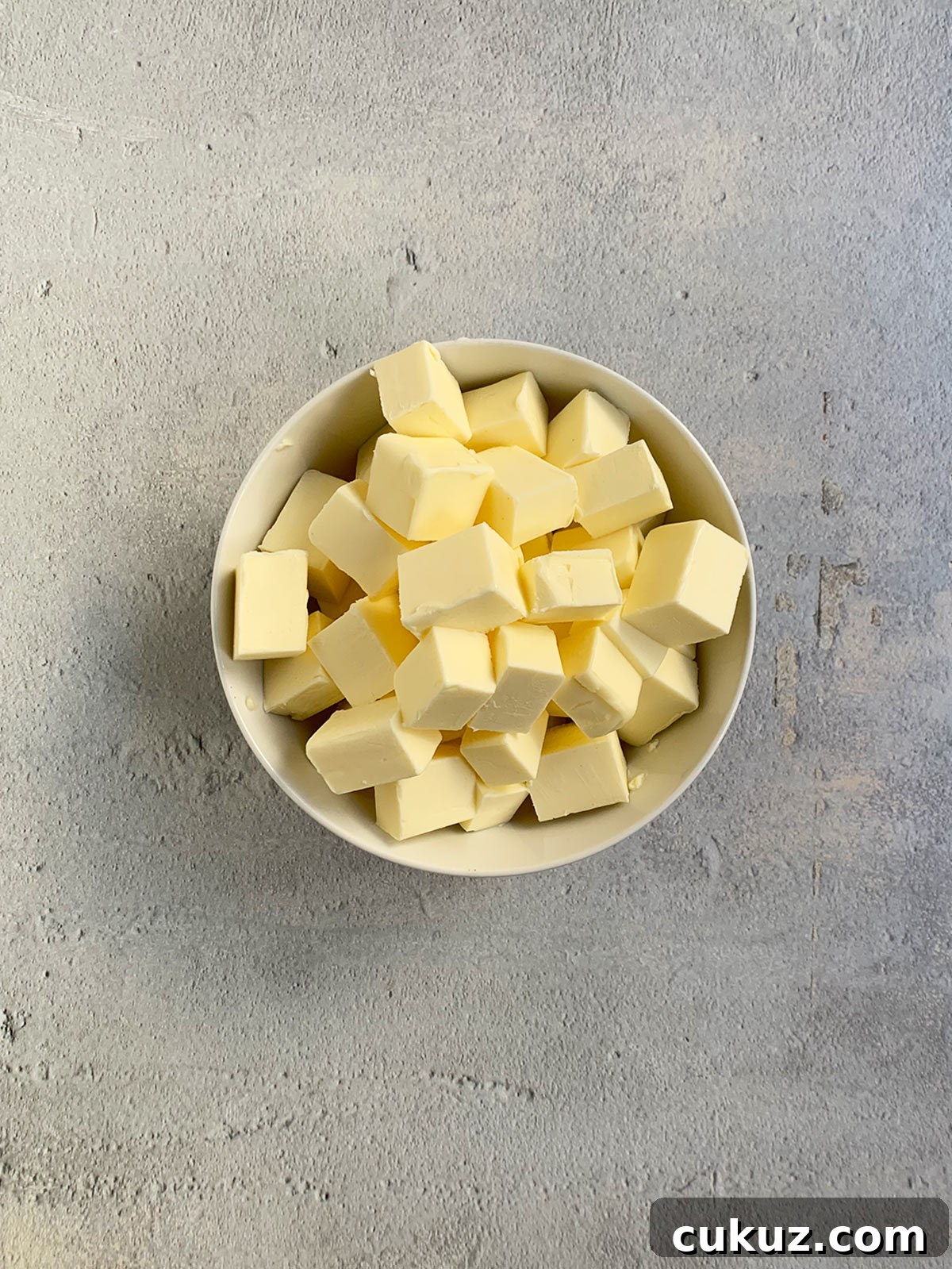
- Unsalted butter: Keep it cold and cut into cubes.
- Sugar: A small amount of granulated sugar for balance (optional for savory).
- Kosher salt: Use your preferred kosher salt and adjust quantity if your brand measures differently.
How to make pie dough
You can make this dough with a stand mixer, food processor or by hand. I use a stand mixer with the paddle attachment for speed, but many bakers recommend working by hand so you can feel the texture as the butter and flour combine.
1. Cube the cold butter and keep it refrigerated until ready to use.
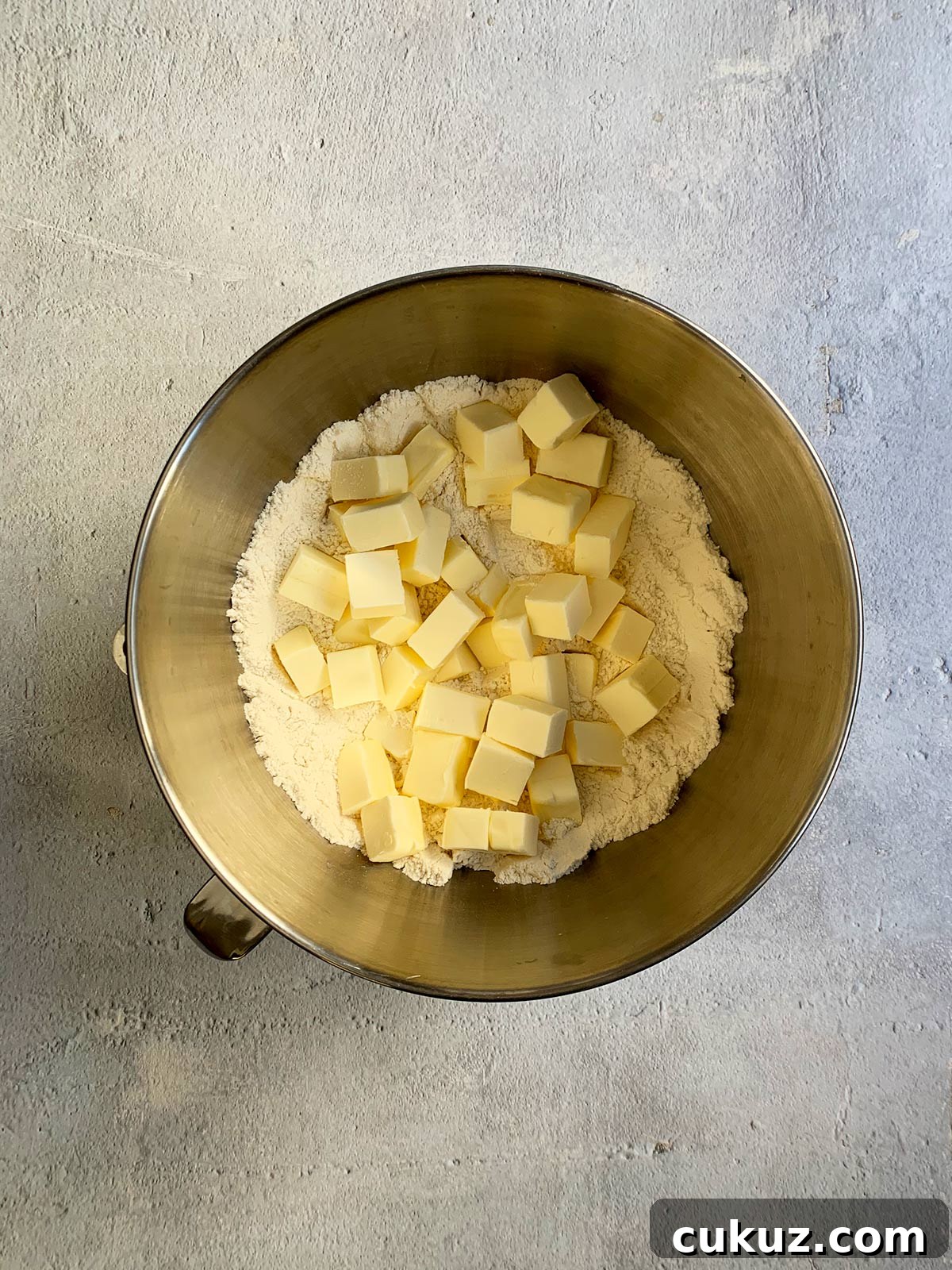
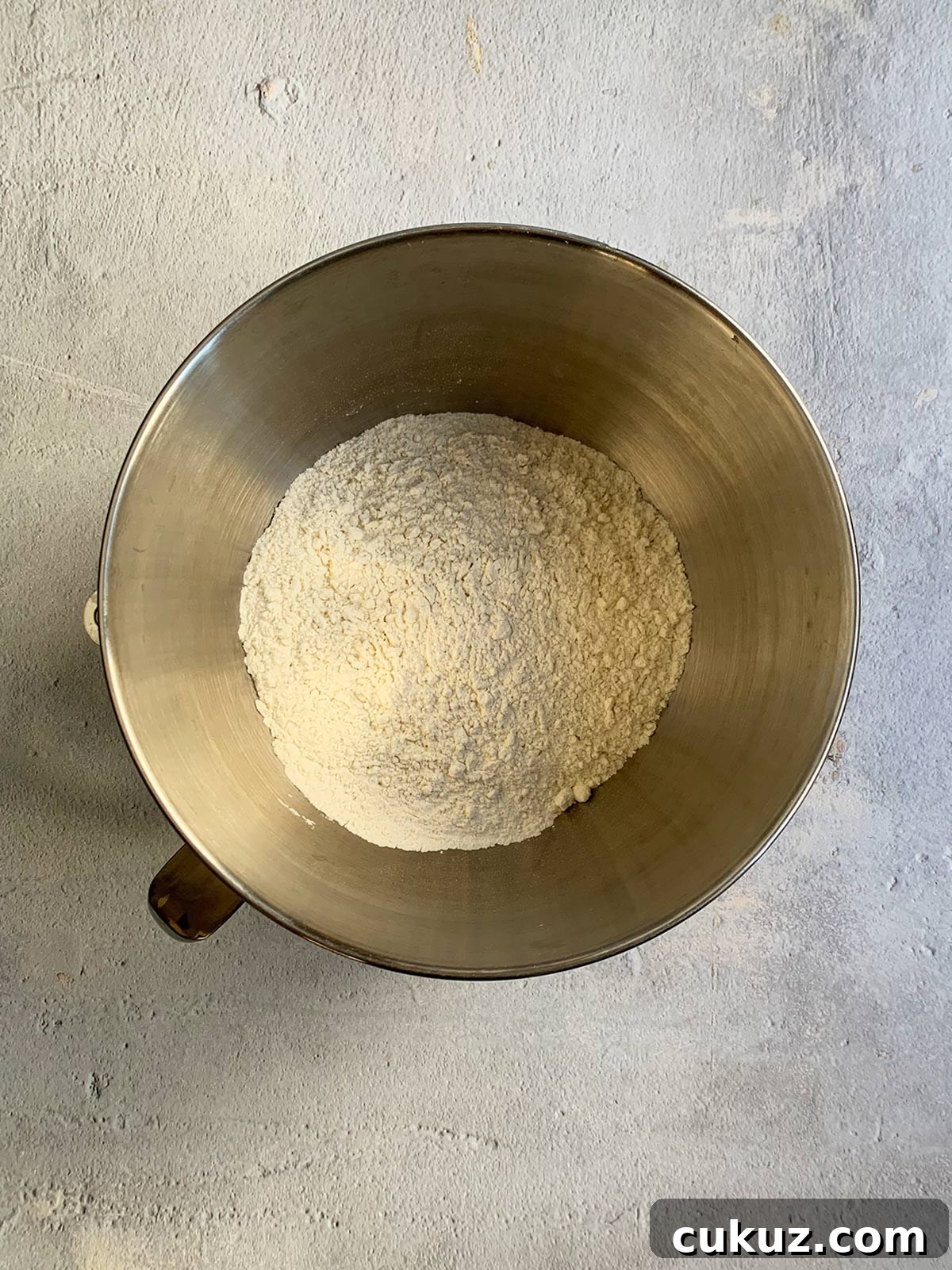
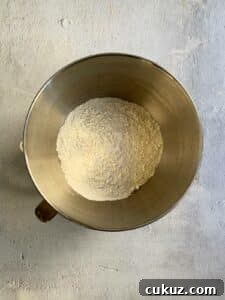
2. Combine the dry ingredients — flour, sugar and salt — in your mixing bowl.
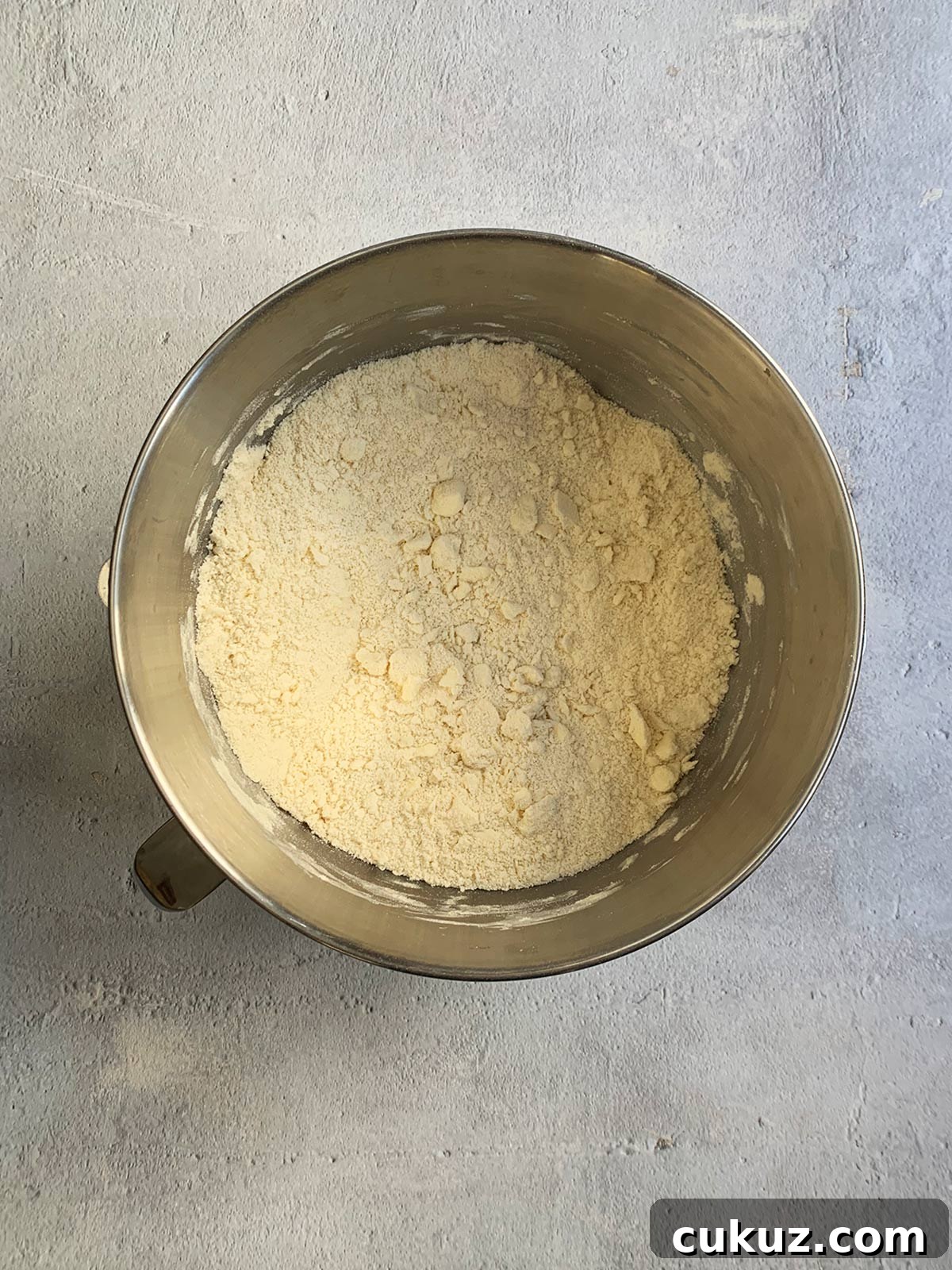
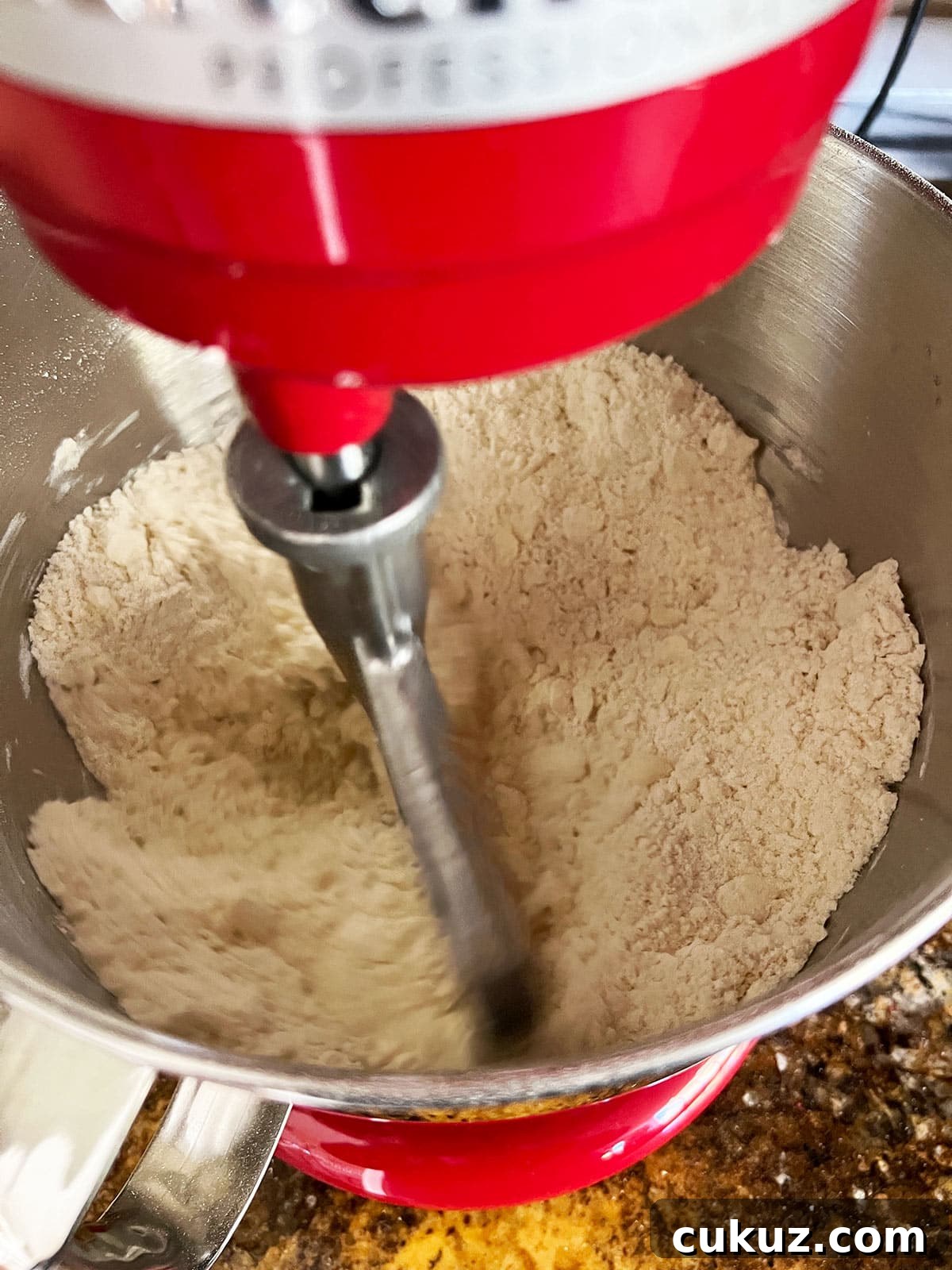
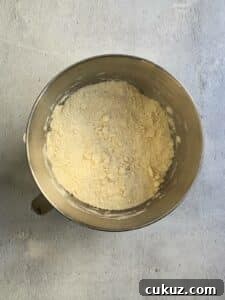
3. Add the cold butter cubes and mix on low speed until the mixture forms pea-sized pieces of butter coated in flour.
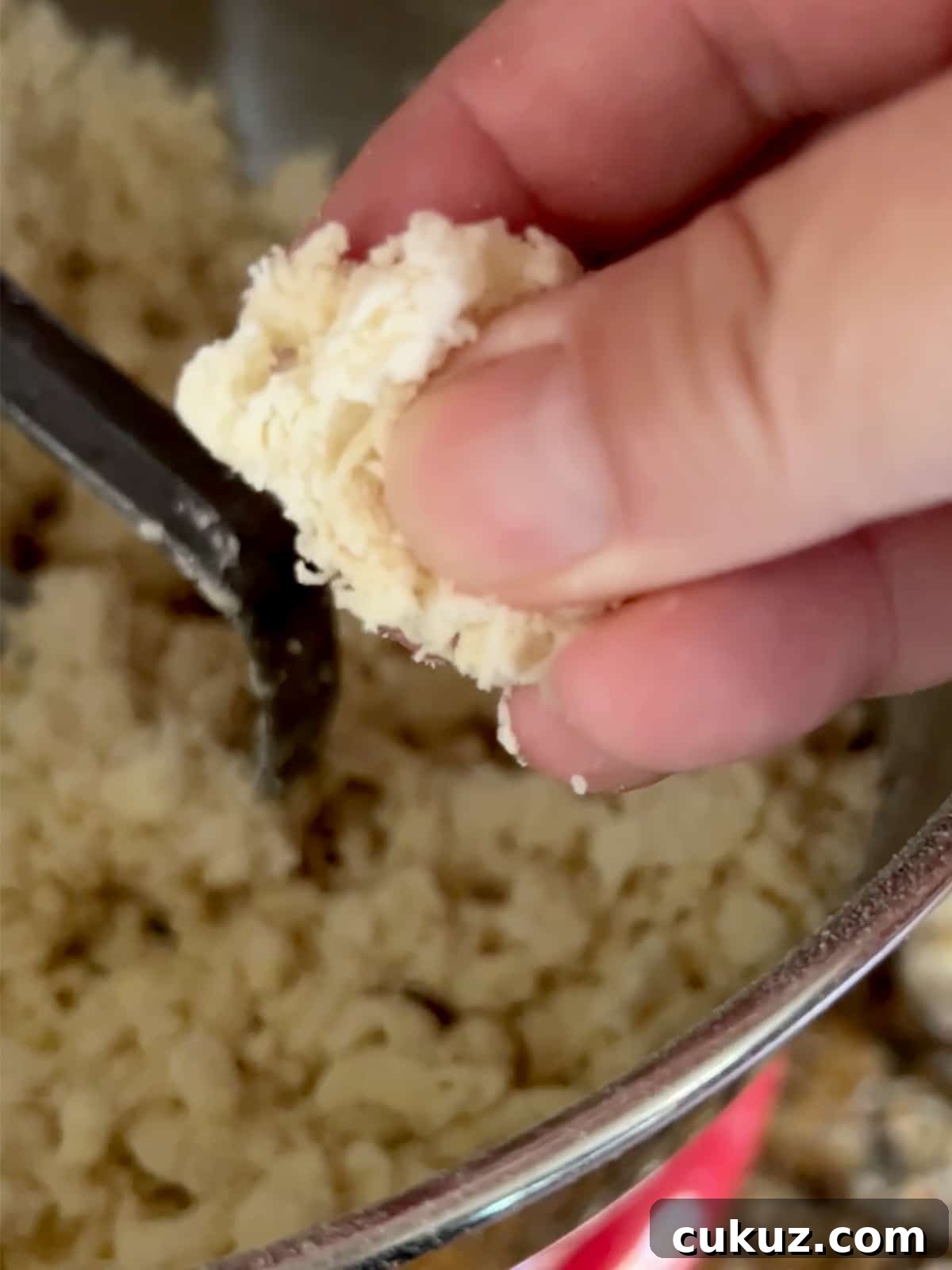
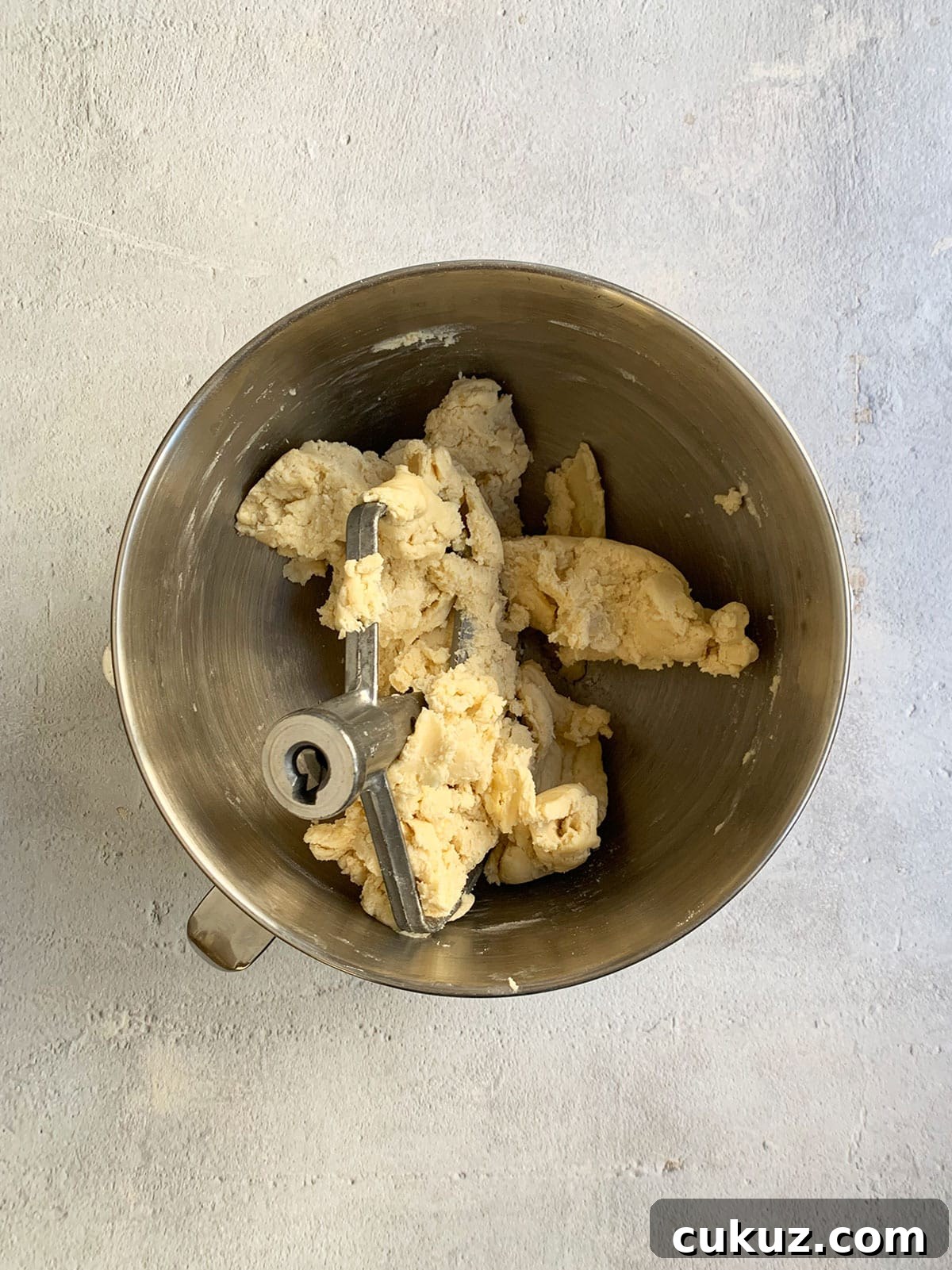
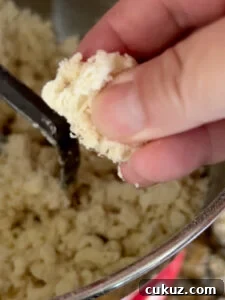
4. Add ice water, starting with the smaller amount called for in the recipe. Test a pinch between your fingers — if it holds together, you’ve added enough. If it still feels sandy, add more water a tablespoon at a time.
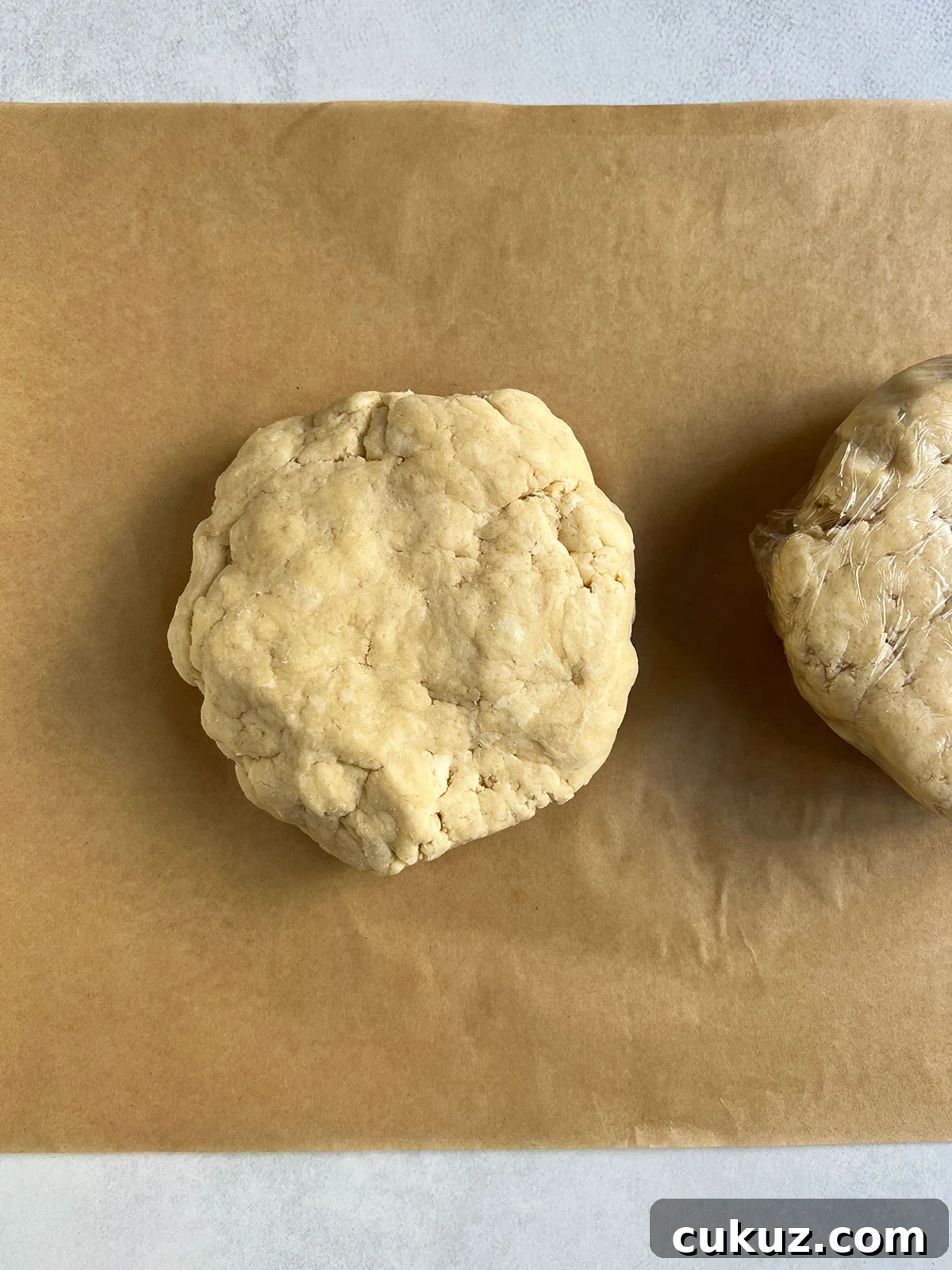
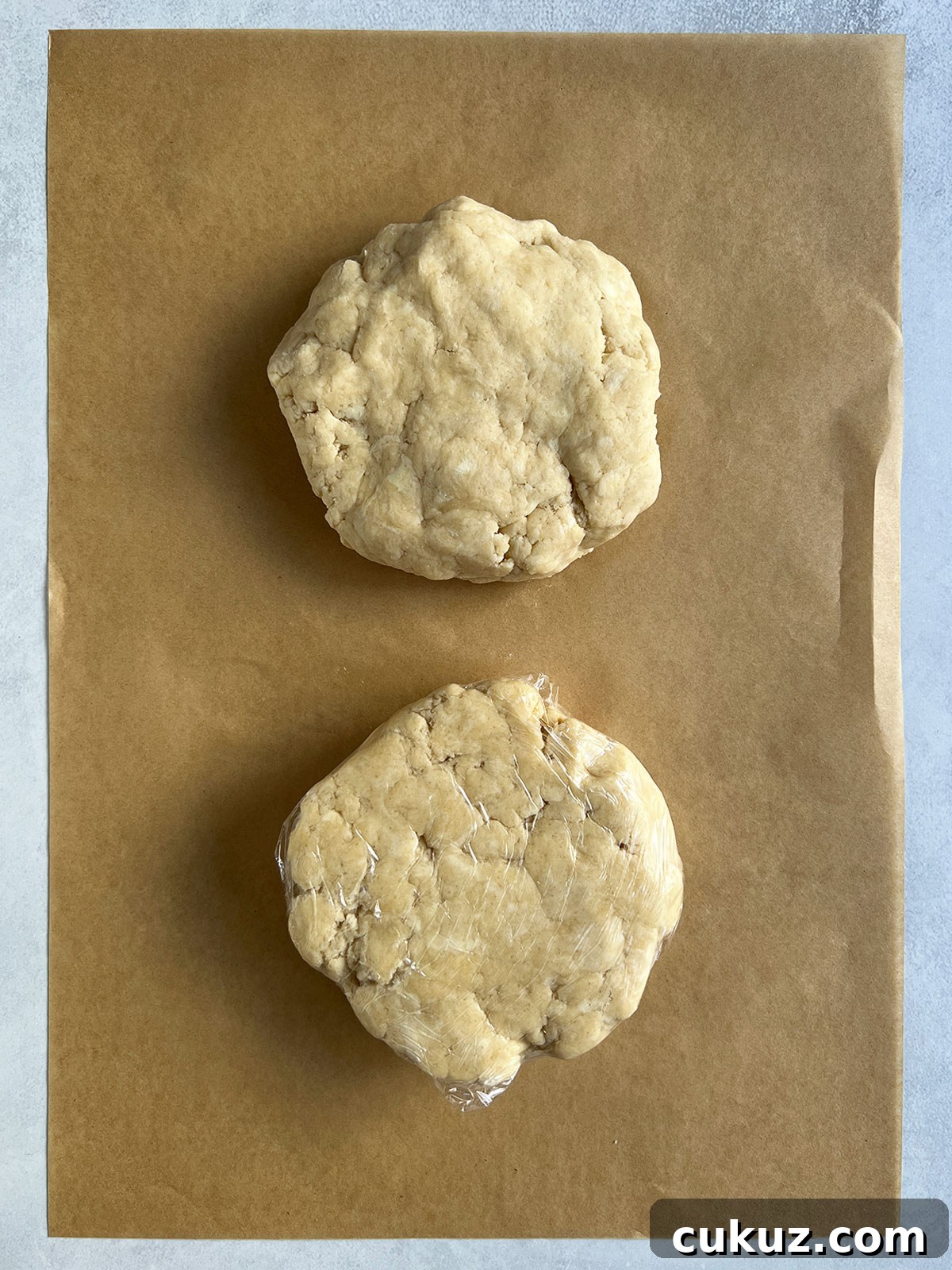
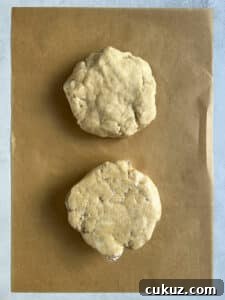
5. Once the dough holds together, transfer it to a clean surface or parchment, divide into two pieces and shape each into a rough disk. Wrap tightly and refrigerate for at least an hour before rolling. The dough keeps well overnight or up to three days in the refrigerator; for longer storage freeze for up to a month.
Expert tips and FAQs
Practical tips that make the process smoother:
1. Cube the butter ahead of time and keep it chilled so it goes into the flour cold.
2. Have ice water ready so you can add it quickly when the butter and flour reach the small-pea stage.
3. If you use a stand mixer, listen and watch as the texture changes — the sound will shift when the butter is well incorporated.
4. The dough can come together very quickly after adding water — sometimes in as little as ten seconds.
5. Don’t overwork the dough when forming the disks. Handle it gently, wrap and chill — precision shaping isn’t necessary at this stage.
6. Be aware of your pie plate size and depth. Standard 9″ pie plates require less dough than deeper or larger pans; measure your dish so you’ll know if you need extra dough or filling.
FAQ highlights:
Can I make the dough ahead of time? Yes. You can prepare dough days ahead and refrigerate, or roll the crust into a pie plate, wrap it tightly and freeze it. If frozen in the glass pie plate, thaw in the refrigerator before baking to avoid thermal shock.
How long should refrigerated dough sit at room temperature before rolling? That depends on your fridge and kitchen temperature. Start with 5-minute intervals until the dough is pliable but still cool. If it’s very firm, let it soften slightly and use light pressure from your hands to warm it a bit.
Do I need to blind-bake the crust? Follow your pie recipe. Some fillings require blind-baking; for those, line the crust with parchment and use pie weights or dried beans to prevent puffing. For pies that bake fully with the filling, bake on the lower oven rack and check edges for browning, covering with foil if needed.
Where should I roll out my dough? Use a well-floured countertop or board, then brush off excess flour with a pastry brush before transferring the crust to the pie dish.
What tools are helpful? A bench scraper, pastry brush and rolling pin are useful; a stand mixer or food processor can speed the process but aren’t required.
Recipes using homemade refrigerated pie crusts
Mini Cherry Pies
Turkey Pot Pie
Butterscotch Pie
Balsamic Cherry Pie
Vinegar Pie
Pumpkin Pie
For a different approach try a nut-crusted key lime pie.

Buy my cookbook!
P.S. If you try this recipe, please leave a rating or review. Feedback helps others and is appreciated.

Homemade Refrigerated Pie Crust
Beth Lee
Pin Recipe
Ingredients
- 2.5 cups all purpose flour
- 1.5 tablespoons granulated sugar
- ¼ teaspoon kosher salt
- 20 tablespoons cold unsalted butter, cubed
- 3.5 to 4.5 tablespoons ice water
- flour for dusting
Instructions
-
Cube the butter into roughly ½-inch pieces and keep refrigerated until ready to use.

-
In the stand mixer bowl, combine flour, sugar and salt and pulse briefly on low to combine.
-
Add the cold butter cubes to the bowl.
-
On low speed, mix until the mixture forms small pea-sized pieces. The sound of the mixer will change when the butter is incorporated.
-
At the pea stage, add 3.5 tablespoons of ice water and mix for about 10 seconds. Pinch a bit of dough between your fingers — if it holds, stop; if it’s crumbly, add another tablespoon and test again.
-
Turn the dough onto a floured surface or parchment, divide into two pieces, shape into rough disks, wrap tightly and refrigerate for at least an hour. Dough chills nicely overnight or up to three days; freeze for longer storage.


Video
Nutrition

Enjoyed this post? Sign up for my email list.