
This guide will walk you through everything you need to know about cooking dry beans from scratch in an Instant Pot. Read on for clear, practical instructions on preparing, soaking, cooking, seasoning, storing and freezing beans so you can make a large batch that’s tasty, versatile and economical. If you want recipe ideas, check the recipe suggestions at the end.

Beans from scratch – Seriously, why bother?
Cooking beans from dry can feel unnecessary when canned beans are so easy, but learning to cook dry beans is a simple kitchen skill that pays off. It’s straightforward and brings several advantages:
- Convenient – One batch goes a long way. Cooked beans freeze and refrigerate well, so you can keep ready-to-use portions on hand instead of opening a can.
- Economical – One pound of dry beans yields roughly 5 cups cooked, about the equivalent of 3–4 cans. Dry beans are much cheaper per serving and typically more flavorful.
- Delicious – Homemade beans taste better and allow you to control seasonings and texture. Store-bought cans often contain extra preservatives or sugars and can’t match freshly cooked flavor.
- Versatile – Use homemade beans in rice and beans, refried beans, dips, bowls, salads, wraps and more. Their superior flavor makes them suitable for many dishes.
- Nutritious – Beans are nutrient-dense, low in calories and a great source of plant protein and fiber.
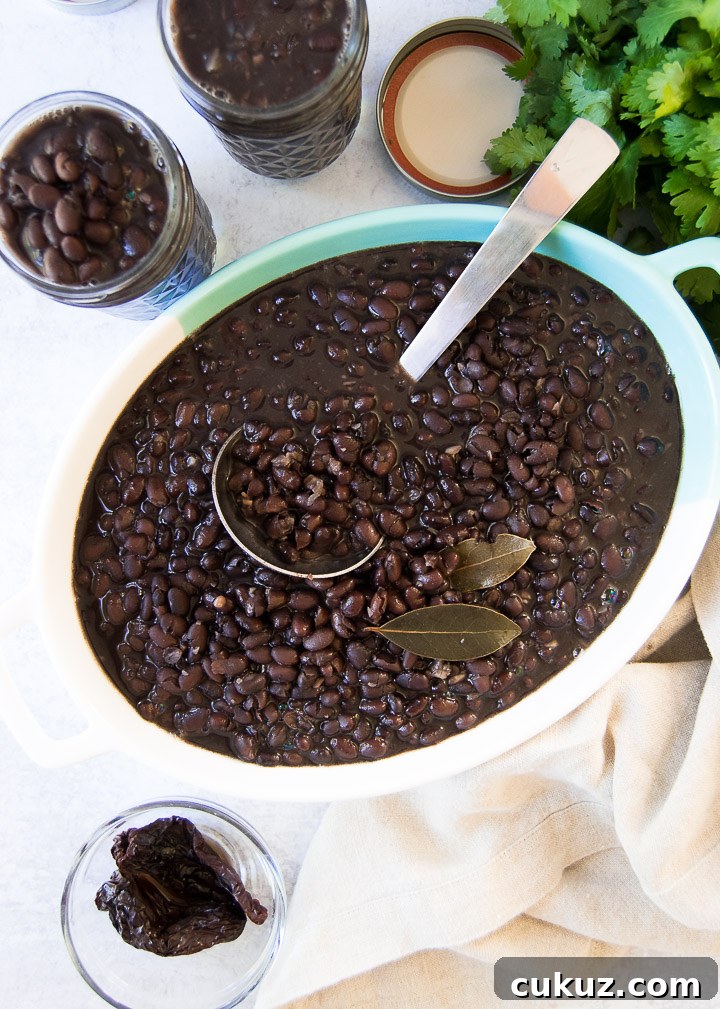
How to cook beans fast
If you want to cook dry beans quickly, use a pressure cooker—like a stovetop pressure cooker or an Instant Pot. Pressure cooking dramatically reduces cook time. Electric pressure cookers retain more liquid during cooking, while stovetop models release more steam and may require slightly more liquid. Soaking the beans before cooking also shortens the pressure-cooking time and improves texture.
Soaking beans
Soaking isn’t strictly required, but it’s highly recommended. Even a short soak improves digestion, texture and cooking time. Here are three good reasons to soak:
- Reduce gas-causing compounds – A short cold soak helps remove some of the enzymes that can cause digestive discomfort.
- Even cooking and better texture – Soaked beans hydrate through to the center, which helps them hold shape and cook evenly, especially with high-heat methods such as pressure cooking.
- Shorter cooking time – Hydrated beans require less time under pressure.
How to soak beans

1. Sort
Pick through the beans, removing any that are discolored, cracked, broken or otherwise odd. Remove stones or debris.
2. Rinse
Rinse the beans under cold water to remove dust and dirt.
3. The 1st soak
Cover the beans with cold water and let them sit at least 30 minutes. This initial soak helps reduce gas-causing compounds. Discard any beans that float.
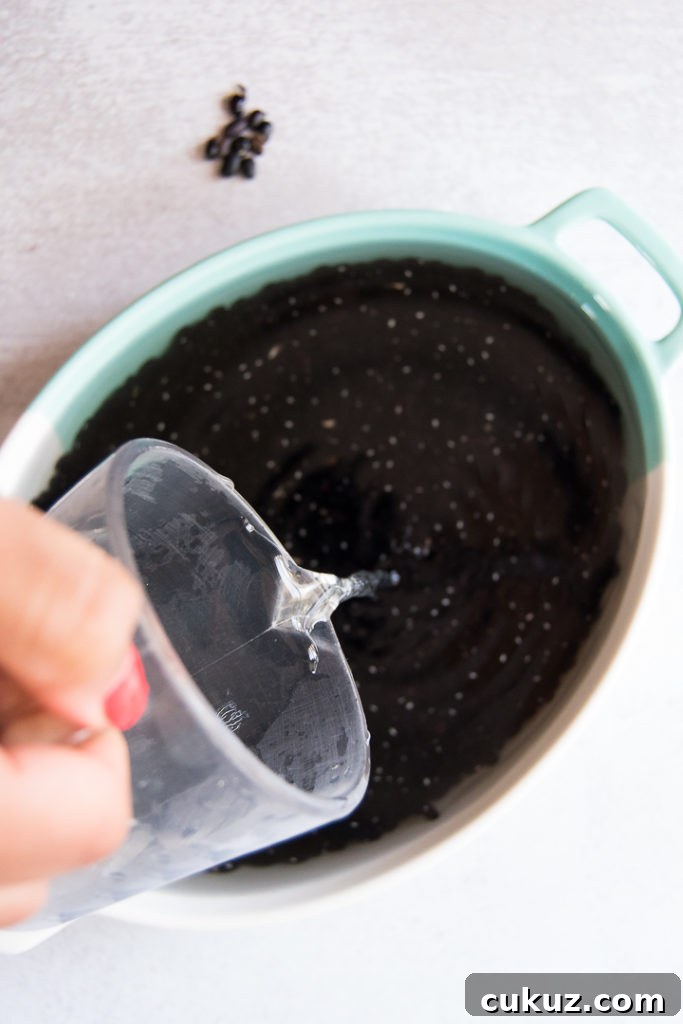
4. Drain and Rinse
After 30 minutes, drain and discard the soaking water and rinse the beans well.
5. The 2nd soak
Refill with fresh cold water and soak another 30 minutes if you plan to pressure cook. If you’re using stovetop or conventional methods, soak longer—about 8 hours to overnight.
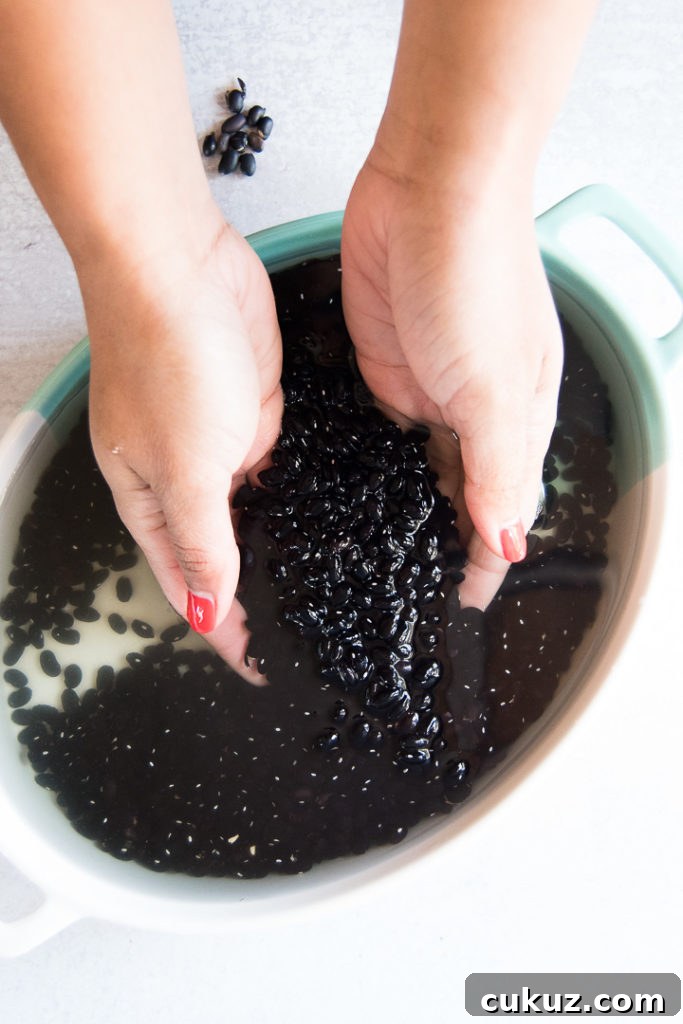
6. Drain and Rinse
After the second soak, drain and discard the soaking water and give the beans a final rinse.
After soaking, you’re well on your way. Most of the work is done; the rest is quick and simple.
How to season beans
Seasoning timing matters, especially with pressure cooking. Layer flavors thoughtfully so they develop properly. Consider these seven components and try to include at least one from each category:
1. Herbs – Bay leaves work wonderfully with black and pinto beans; thyme and oregano suit white beans. Dried herbs can be added at the start so they infuse during cooking; fresh herbs are best added at the end to preserve aroma.
2. Fat – Smoked meats (sausage, ham hock, smoked ribs), bacon, pancetta or a finishing splash of olive oil add richness. Add smoked meats at the start to impart smoky flavor; rendered bacon or pancetta can be cooked with aromatics and stirred in after cooking.
3. Spices – Cumin, black pepper and similar spices add depth. Generally add ground spices after the beans are cooked for the brightest flavor.
4. Aromatics – Onion and garlic are essential. Sautéing aromatics and adding them after cooking gives a strong flavor boost, while cooking them with the beans yields a softer, integrated flavor.
5. Acid – Vinegar or lemon juice brightens flavor and improves mouthfeel. Add acid only after beans are fully cooked; adding it too early can toughen beans and slow cooking.
6. Heat (optional) – Smoked chilies or chipotle add smokiness; fresh chiles can be sautéed with aromatics. Dried smoked peppers can go in at the start; chipotle in adobo or fresh chiles are best added after or during the sauté step.
7. Salt – Salt is vital for taste. Add and adjust salt after the beans are cooked, tasting and seasoning to preference. Be mindful of salty additions like bacon or sausage.
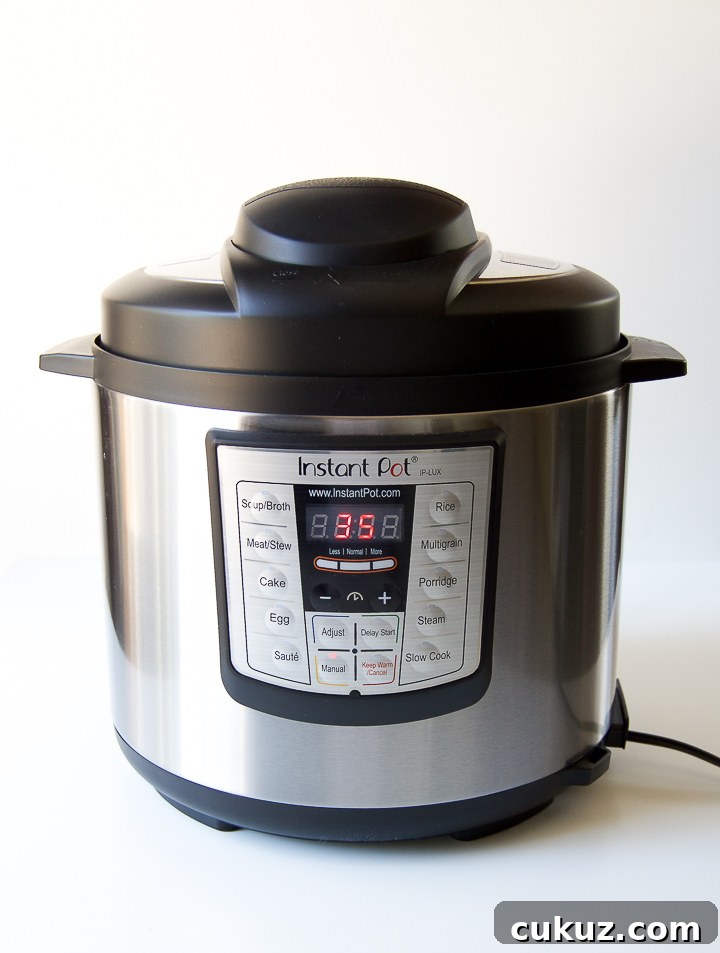
Instant Pot beans cooking time
Cooking times vary by pressure cooker model and elevation, but the following are approximate pressure-cook times for soaked beans:
- Pinto Beans – 25 minutes
- Black Beans – 30 minutes
- Kidney Beans – 35 minutes
- Great Northern Beans – 35 minutes
- Chickpeas – 40 minutes
Freezing Beans
Storing cooked beans is easy. Follow these steps to freeze them for later:
- Portion – Divide beans into freezer-safe containers. Note that about 1.5 cups cooked equals a 15 oz can for convenient recipe substitution.
- Cool – Allow beans to reach room temperature before sealing containers.
- Store – Refrigerate or freeze. Cooked beans last about 5–7 days in the refrigerator and 3–6 months in the freezer.
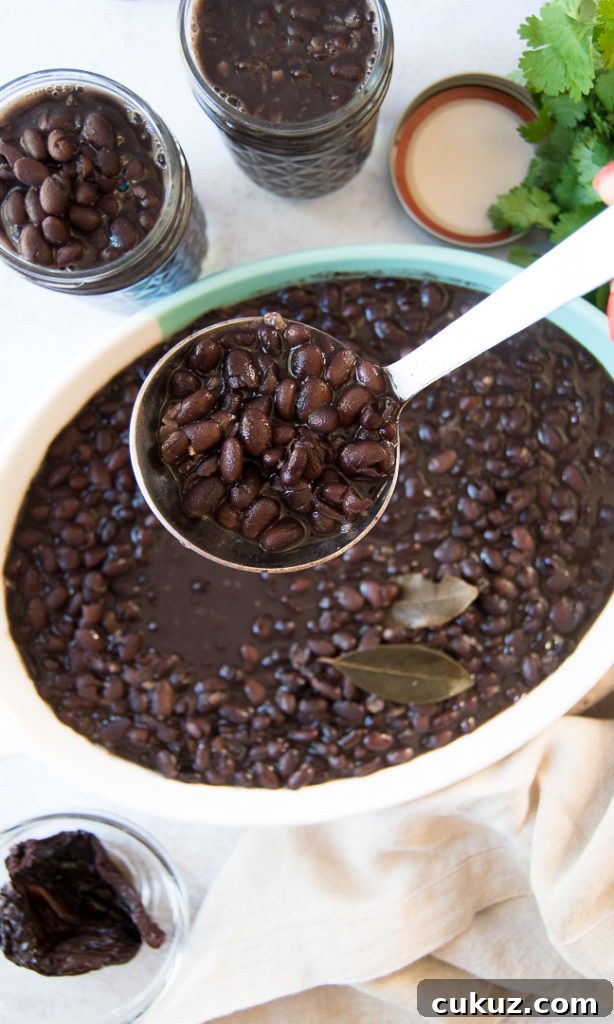
Now that you have the essentials on how to cook dry beans in an Instant Pot, it’s time to get cooking!
Try these delicious dry bean recipes
- Vegan Black Beans (great canned-bean replacement)
- Brazilian Black Beans Recipe (sausage and bacon for a hearty side)
- Instant Pot Pinto Beans (a twist on Brazilian feijão carioca)
Other Instant Pot recipes
- Instant Pot Brown Rice
- Brazilian Chicken and Rice Soup
- Salpicão – Brazilian Chicken Salad
- Instant Pot Lentils
- Instant Pot Garlic Mashed Potatoes
- Instant Pot Turkey Stock
- Goat Cheese Pumpkin Risotto



How to Cook Dry Beans
Ingredients
- 16 oz dry beans
- Smoked animal product of choice (smoked sausage, ham hock, smoked ribs, etc) (optional)
- 1–2 bay leaves or other dried herbs
- 1–2 pieces of heat (smoked peppers, chipotle, jalapeño) (optional)
- 1/2 tsp spices such as cumin
- 4 strips bacon or pancetta (or other animal fat)
- 1 Tbsp olive oil
- 1 medium onion, diced
- 2 tbsp Brazilian sofrito or 6 cloves garlic, minced
- 1/2 tsp acid such as vinegar
- Black pepper to taste
- 1 tsp salt (start with 1 tsp, then taste and adjust)
Equipment
- Instant Pot or other pressure cooker
Instructions
- Pick through, wash and soak the beans in cold water for 30 minutes.
- Change the water and soak for another 30 minutes.
- Drain the beans and add them to the pressure cooker or Instant Pot. Add dried herbs, smoked peppers and any smoked meat you’re using. Cover with 5 to 5 1/2 cups water.
- Close the Instant Pot and cook on manual/high pressure for 30 minutes (recommended for black beans).
- Safely release pressure and open the pot.
- Switch to sauté mode and let the beans simmer, stirring occasionally to reach your desired consistency.
- Meanwhile, render or heat your chosen fat in a skillet. Sauté onions until soft, then add garlic and cook until fragrant.
- Stir the sautéed aromatics into the beans, then season with black pepper, spices and vinegar. Add salt to taste and simmer a little longer if needed.
- If freezing, portion beans into freezer-safe containers, cool to room temperature, seal and freeze.