
While meringue can feel intimidating at first, it doesn’t need to be. Below you’ll find clear instructions on how to make meringue, common uses, troubleshooting tips to avoid typical mistakes, and answers to frequently asked questions.
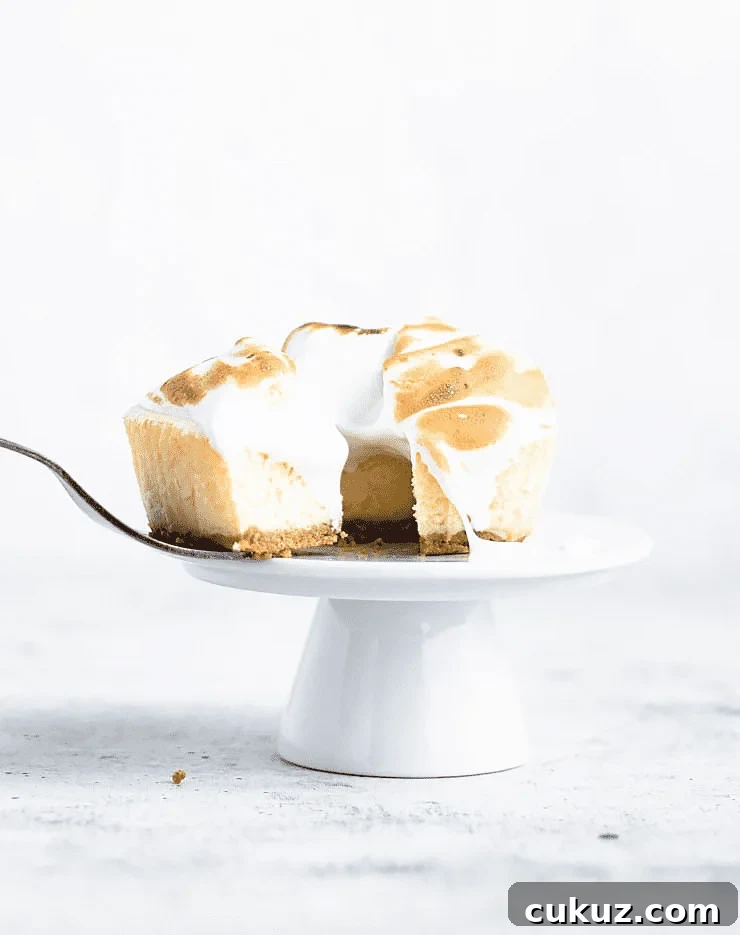
Ah, meringue — my first baking nemesis. My early attempts were runny and messy, but with practice I learned the techniques and pitfalls. This guide shares a reliable recipe, the three main methods, and practical tips so your kitchen stays clean and your meringues turn out well.
[feast_advanced_jump_to]
What is meringue and how is it used?
Meringue is a mixture of egg whites and sugar whipped until light and airy. Sometimes additional ingredients are added for stability or flavor.
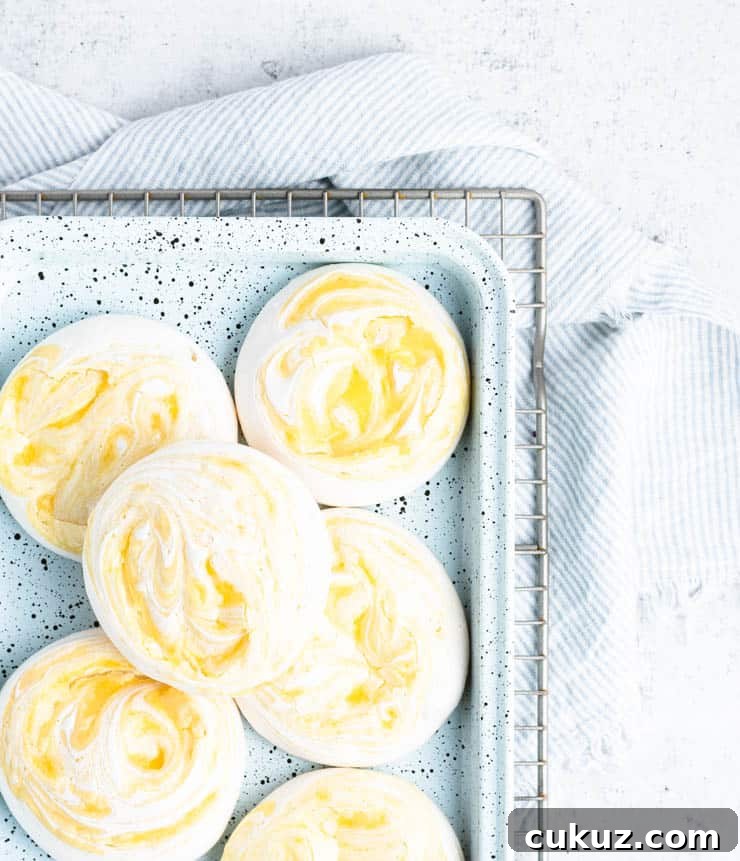
It can be baked, toasted, folded into batters, or used as a topping. Common uses include pies (like lemon meringue or fruit meringue pies), baked Alaska, pavlova, meringue cookies and kisses, frostings, and macarons.
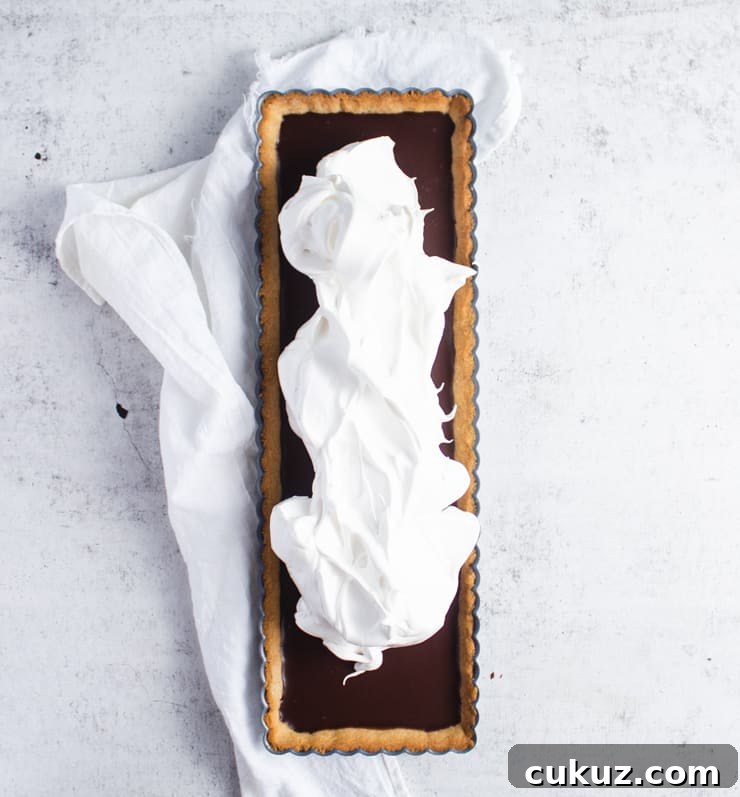
Ingredients
Basic meringue follows a 1:2 ratio of egg whites to granulated sugar. One egg white is about two tablespoons, so use roughly 1/4 cup sugar per egg white.
If you add cream of tartar for stability, use about 1/8 teaspoon per egg white.
My go-to amounts:
- 4 egg whites
- 1 cup granulated sugar
- 1 teaspoon vanilla extract
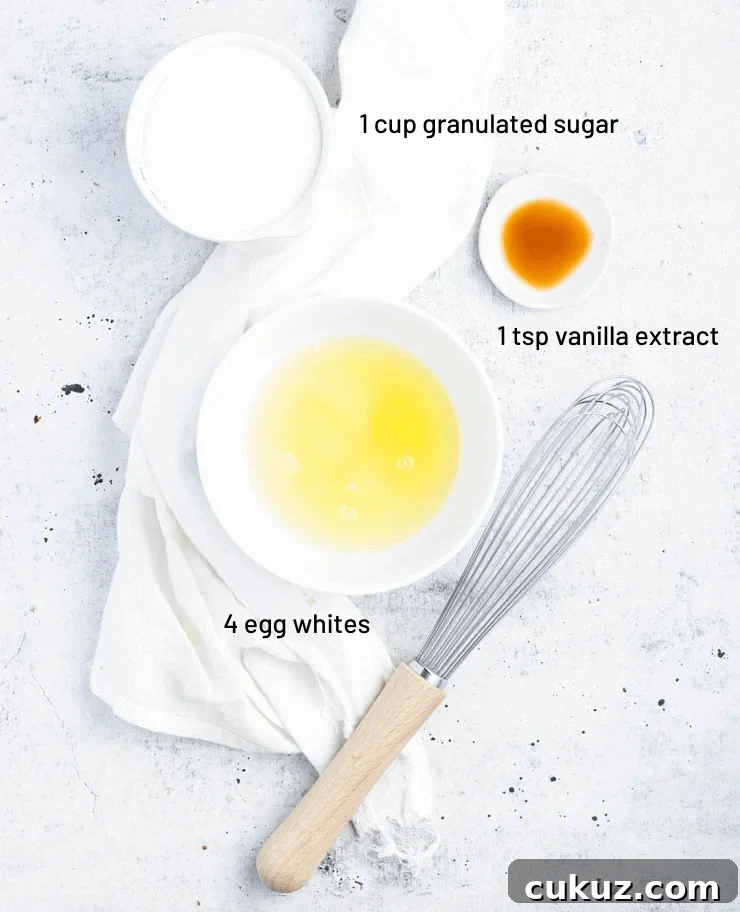
This quantity makes about 40–50 small meringue kisses, enough for a single 8–9″ pavlova layer, 12 cookies, or to frost a 9″ pie or cake.
For baked meringue items like cookies or pavlova, I prefer the French method. For meringue that won’t be baked after assembly (for example pie topping or frosting), I favor the Swiss or Italian methods, which produce cooked, more stable meringue.
How to make meringue: Three methods
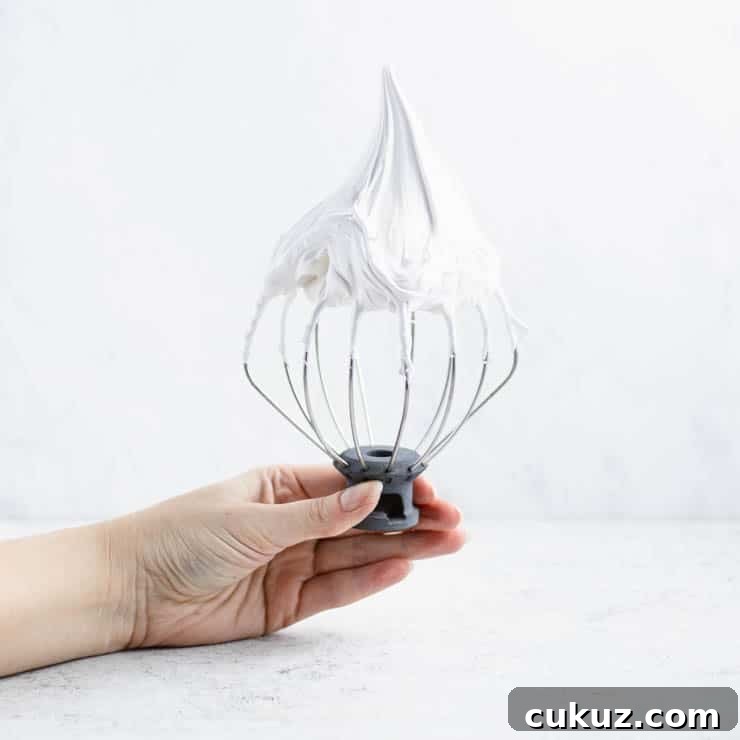
French meringue
The French method is the simplest. Whip cold egg whites to soft peaks, then add sugar gradually while beating until the sugar dissolves and the mixture is glossy and thick. Because the eggs remain raw, this method is best for meringues that will be baked such as kisses, cookies, and pavlova.
Italian meringue
Italian meringue is made by cooking a sugar syrup to the soft-ball stage and pouring it in a thin stream into whipped egg whites while the mixer runs. This produces a very stable, glossy meringue ideal for buttercreams, frostings, and toppings that require stability.
Swiss meringue
Swiss meringue combines egg whites and sugar in a heatproof bowl set over simmering water and heats to about 160°F while whisking until the sugar dissolves. The warmed mixture is then whipped until cool and voluminous. Swiss meringue is smooth and stable, good for buttercreams, toppings, and pavlova.
Expert tips
- Use fresh, cold egg whites: Fresh whites whip into a firmer, more stable structure. Chilling the eggs before whipping can help.
- Start with clean equipment: Any grease will prevent whites from whipping properly. Thoroughly wash and dry bowls, beaters, and utensils before starting.
- Avoid plastic bowls: Plastic can retain grease and odors. Glass, metal, or ceramic are better choices for whipping egg whites.
Troubleshooting
Why did my meringue crack?
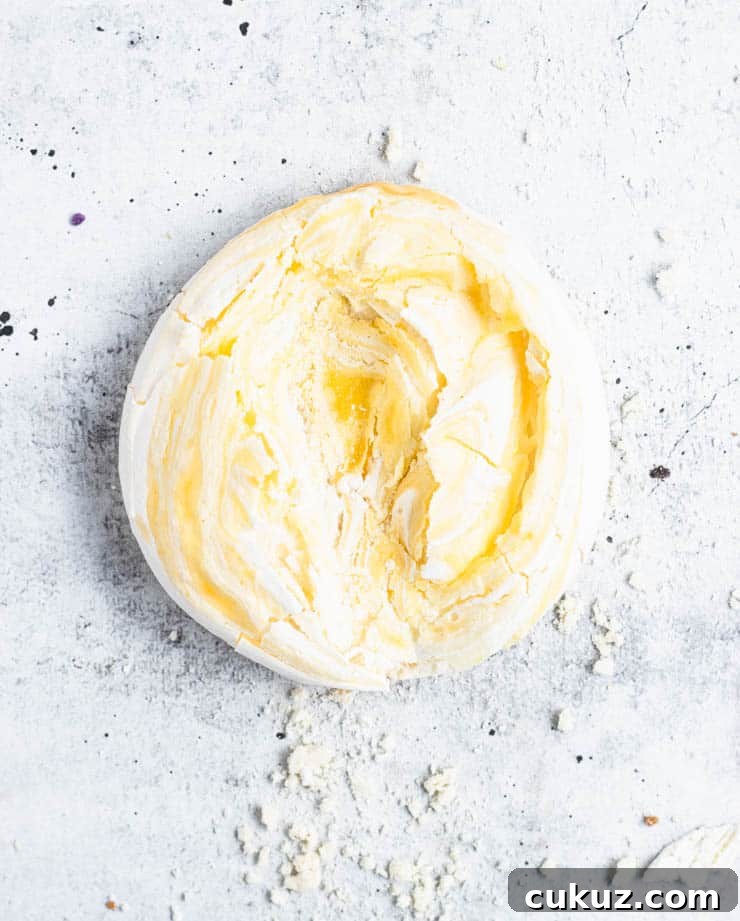
Cracking often results from temperature issues. An oven that runs too hot or a sudden temperature change when removing the meringue can cause cracks. Check your oven’s calibration and, when possible, turn the oven off and allow meringues to cool inside to avoid abrupt cooling.
Why does meringue weep?
Weeping is a layer of liquid forming under or around the meringue. Causes include undercooking, overcooking, or placing meringue on a wet filling. Use the correct baking time and temperature, consider adding a stabilizer like cream of tartar or cornstarch, and avoid assembling meringue on very moist fillings. High humidity also encourages weeping—try to make meringue on drier days.
Why didn’t my meringue get stiff?
Grease is the most common cause of soft, unripe peaks. Ensure all equipment is completely clean and avoid plastic bowls and utensils that can retain greasy residues.
Why did my meringue stick to the baking paper?
If baked meringue sticks to parchment, it usually needs more baking time. Fully baked meringues should release easily from the paper.
Why did my baked meringue wrinkle?
Wrinkling or a scaly surface is caused by moisture absorption or insufficient baking. To prevent this, bake thoroughly and let meringues cool slowly in the switched-off oven. Crack the oven door slightly after turning it off for about 10 minutes to let some moisture escape before leaving them to cool completely.
Frequently asked questions
Baked meringues freeze well for up to one month in an airtight container. Thaw on a wire rack at room temperature and use immediately once thawed.
A refrigerator’s humidity can harm meringue texture. Unbaked meringue can be refrigerated for up to 24 hours; baked meringues are best stored at room temperature in a dry, airtight container.
Yes. Pure meringue (egg whites and sugar) is gluten-free. Be aware that the desserts meringue tops may contain gluten.
Storage
Baked meringue keeps best at room temperature in an airtight container for 1–2 days, depending on humidity. Unbaked meringue can be stored in a covered container in the refrigerator up to 24 hours.
Recipes that use meringue
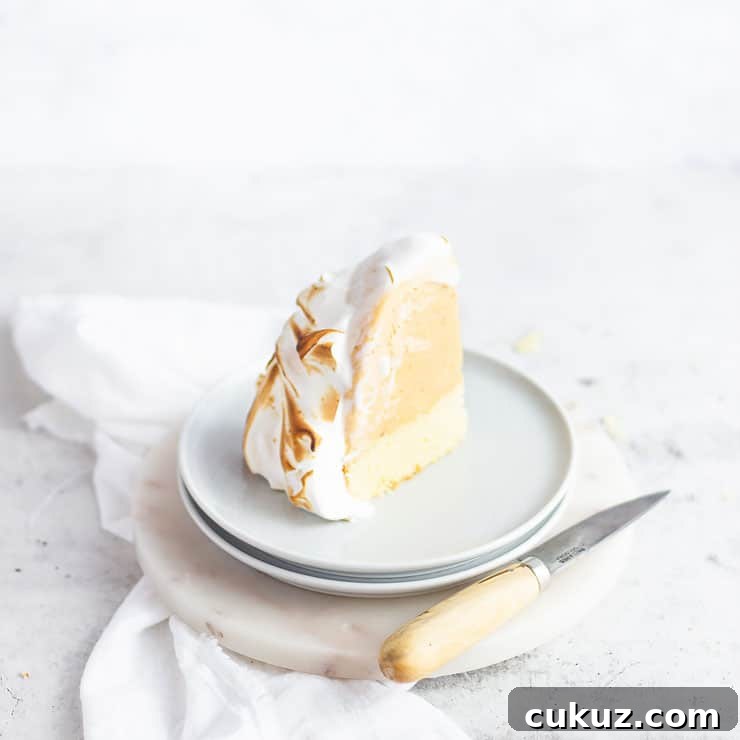
Ready to test your skills? Try meringue in recipes such as kokosboller (Norwegian chocolate-covered marshmallows), baked Alaska, pavlova, or meringue-topped pies and cakes.
Did you try this recipe? Please leave a star rating and a comment to share your experience. Feedback helps improve these guides.
Recipe
Basic Meringue Recipe

5 from 10 reviews
Fluffy, light meringue using three methods.
- Author: Claire Coffey
- Prep Time: 10 minutes
- Total Time: 10 minutes
- Yield: 24
- Category: Dessert
Ingredients
Units
- 4 egg whites
- 1 cup granulated sugar
- 1 tsp vanilla extract
Instructions
Swiss meringue:
- Whisk together egg whites and sugar.
- Place over a pot of simmering water and heat, stirring, until the sugar dissolves and the mixture reaches about 160°F.
- Remove from heat and whip on high until light, fluffy and cool to the touch.
- Add the vanilla and whip on low until just combined.
French meringue:
- Combine egg whites and sugar in a clean bowl.
- Whip on high until the mixture is glossy and holds soft to medium peaks and the sugar has dissolved.
- Add vanilla and mix on low until combined.
Italian meringue:
- In a small saucepan, combine sugar with 1/2 cup water and bring to a boil.
- Cook the syrup to about 235°F (soft-ball stage) until clear.
- While the syrup cooks, whip egg whites until frothy and holding peaks.
- With the mixer on high, stream the hot syrup into the whipped whites until all the syrup is incorporated.
- Continue whipping until the meringue is light, glossy and cool to the touch.
Notes
Why did my meringue crack?
Cracking is usually due to temperature: an oven that’s too hot or a sudden change in temperature. Baking at moderate temperatures (many bakers use around 200°F for meringues) and allowing meringues to cool gradually in the oven helps prevent cracks.
Why does meringue weep?
Weeping can result from under- or overcooking, placing meringue on a wet filling, or high humidity. Follow the recipe timing, consider a stabilizer like cream of tartar or cornstarch, and avoid making meringue on very humid days when possible.
Why didn’t my meringue get stiff?
Grease on bowls or utensils will prevent whites from reaching firm peaks. Use clean glass or metal bowls and avoid plastics that can retain oils.
Why did my meringue stick to the baking paper?
Sticking usually means the meringue isn’t fully baked. Bake longer at a low temperature until it lifts cleanly from the paper.
Why did my meringue wrinkle after baking?
Moisture absorption or underbaking causes wrinkling. Cool meringues slowly by turning the oven off and leaving them inside with the door cracked for a few minutes, then allow them to come to room temperature overnight if possible.
Nutrition
- Serving Size: 1
- Calories: 35
- Sugar: 8.4g
- Sodium: 6mg
- Fat: 0g
- Carbohydrates: 8.4g
- Protein: 0.6g