
This paleo garlic bread is a tapioca-based bread that’s easy to shape into garlic knots or rolls and is sure to please the whole family.

This week passed in a blur: we accepted an offer on our house and immediately started looking for a new place. On top of that, everyone in the family was battling a cold and I managed to hurt my foot. With everything going on, I realized Saturday morning that I still needed to decide on a recipe for Monday.
I briefly considered making a calzone, but time was tight after making an offer on a house, so I settled on garlic bread. Growing up, my mom made unforgettable garlic bread; I used to sneak bites from the bread box. Garlic not only tastes wonderful but also brings some health benefits and bright flavor to dishes.
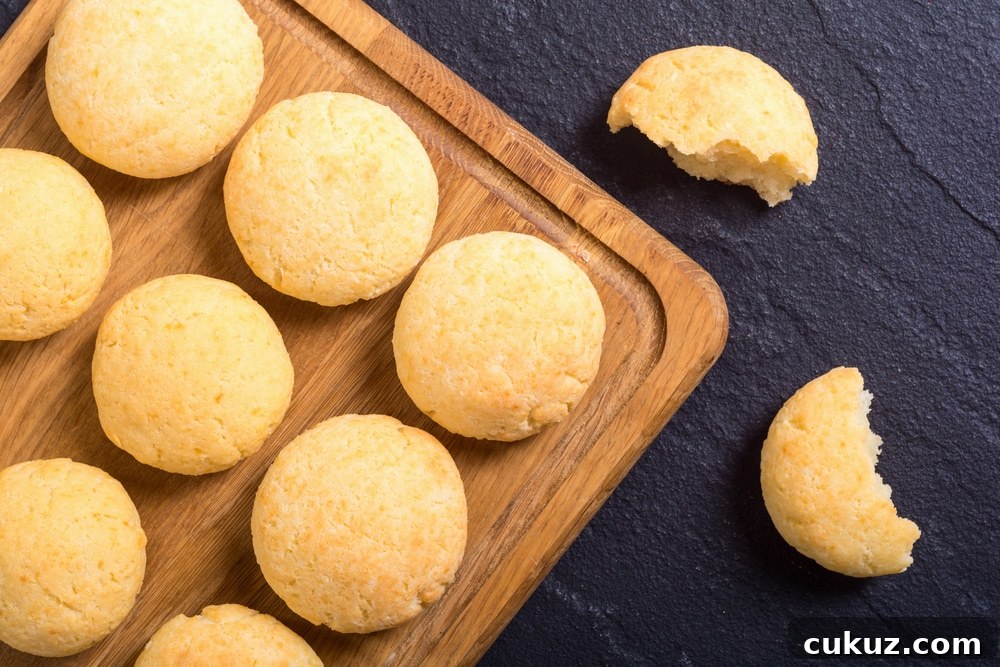
This recipe is a dairy-free take on pao de queijo and can be formed into rolls or garlic knots with ease.
What you’ll need:
- palm shortening or olive oil
- water
- sea salt
- tapioca flour
- coconut flour
- egg
- Italian seasoning
- fresh chopped garlic
How to make Paleo Garlic Bread:
Preheat the oven to 350°F (175°C).
In a small saucepan, combine the oil (or shortening), water, and sea salt and bring to a boil.
Remove the pan from the heat, stir in the chopped garlic, then add the tapioca flour.
Mix well and let the mixture rest for 1–2 minutes until it is warm but not hot.
Stir in the Italian seasoning and the egg.
Add the coconut flour, then knead the dough for about one minute until it comes together.
Pinch off pieces of dough about 1 inch in size and roll each into a ball.
Place the rolls on a greased baking sheet, leaving space between each one.
Bake for 30–40 minutes, until the rolls are set and lightly golden.
Notes:
This is best considered an advanced-level recipe. Results can vary depending on several factors:
- Your oven and its actual temperature
- Altitude and humidity in your area
- The specific brand of tapioca flour you use — consistent results are more likely if you use a reliable brand
Some cooks find the dough needs a bit more tapioca flour, and others prefer using a food processor or a stand mixer to achieve the right texture. If you run into trouble, try adjusting the tapioca flour slightly or switching equipment.
Tip: Read through other cooks’ notes and adjustments to see what has worked for them.
If you like this Paleo Garlic Rolls recipe, you might also enjoy:
Paleo Pretzels
Paleo Cinnamon Rolls
Paleo Pizza Crust
Did you make and love this recipe? Give it your review below and pin it to save for later.

Paleo Garlic Bread
American
paleo garlic bread, tapioca flour bread
20 minutes
40 minutes
1 hour
12
136 kcal
Kelly Bejelly @ A Girl Worth Saving
Ingredients
- 1/2 cup palm shortening or olive oil
- 1/2 cup water
- 1 teaspoon sea salt
- 3/4 cup tapioca flour
- 1/4 cup coconut flour
- 1 large egg
- 1/2 teaspoon Italian seasoning
- 1 teaspoon fresh minced garlic
Instructions
-
Preheat the oven to 350°F (175°C).
-
In a small pan combine the oil, water, and sea salt and bring to a boil.
-
Remove from heat, add the garlic, then stir in the tapioca flour.
-
Mix thoroughly and let rest for 1–2 minutes until warm.
-
Add the Italian seasoning and egg, mixing to combine.
-
Mix in the coconut flour and knead the dough for about one minute.
-
Pinch off 1″ pieces of dough and roll them into balls.
-
Place the rolls on a greased baking sheet and repeat until all dough is used.
-
Bake for 30–40 minutes, until set and lightly golden.