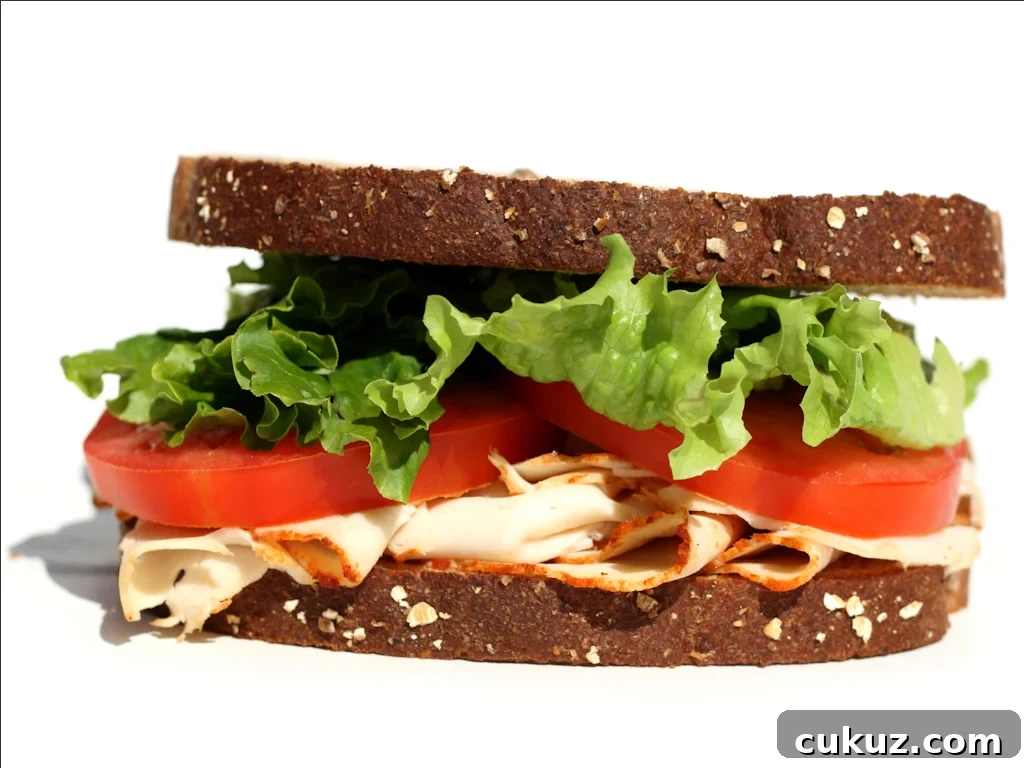
Before we dive into some great sandwich ideas, what exactly is a sandwich? As a verb, “to sandwich” means to place something between two other things. As a noun, a sandwich typically refers to two slices of bread with a filling, though open-faced sandwiches—where the topping sits on a single slice—also qualify. Many foods that aren’t strictly defined as sandwiches are treated like them in everyday use.
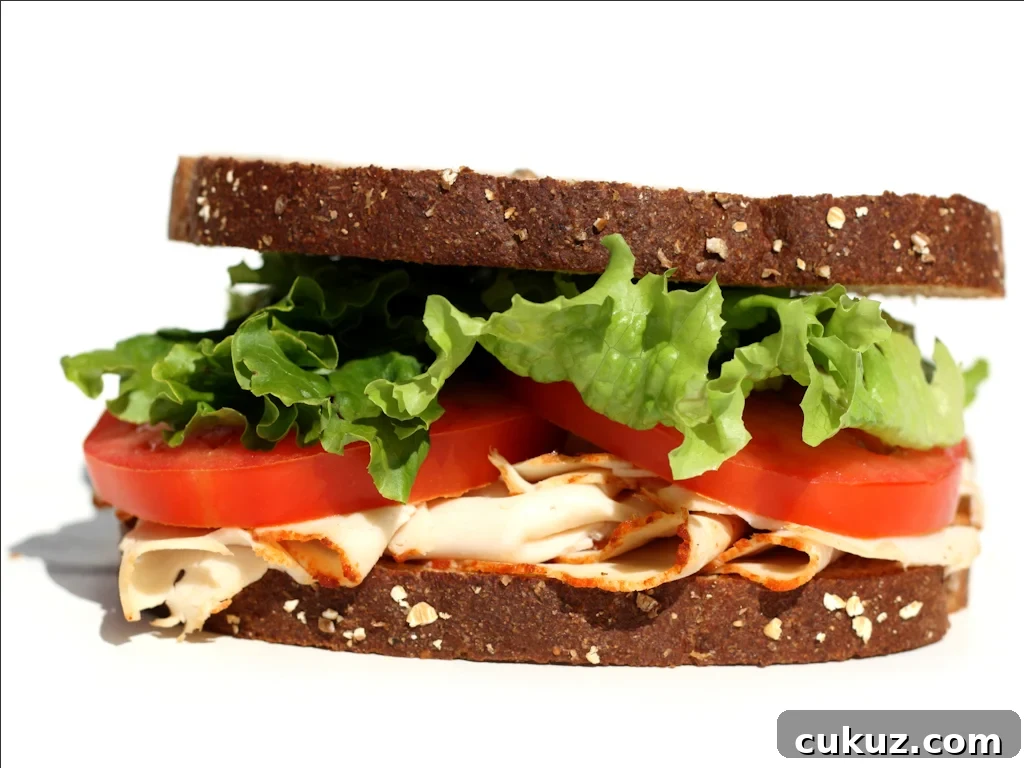
Sandwich Ideas
Sandwiches in various forms have existed for centuries. The familiar name for the meat-between-bread version is usually traced to John Montagu, the 4th Earl of Sandwich, who reportedly asked for a meal he could eat without leaving his card game. Terminology varies by country: in the UK, a sandwich generally means two slices of bread with a cold filling and burgers are often categorized separately, while in the US burgers are commonly considered sandwiches.
Legal definitions have sometimes muddied the waters. In 2001, a court in Worcester, Massachusetts ruled that a burrito was not a sandwich during a dispute between Panera Bread and Qdoba Mexican Grill. The judge noted that a standard dictionary defined a sandwich as two slices of bread, so a burrito did not qualify. For the purposes of exploring sandwich ideas, however, many handheld, bread-based foods will be included regardless of strict legal definitions.
Different sandwich ideas from around the world
Across cultures, people have developed portable foods using their local breads and fillings. While names and forms differ, the basic concept—food delivered in, on, or between bread—remains the same. Below are a selection of notable examples from around the world:
- Tortillas: The versatile flatbread from Mexico (wheat or corn) forms the base for burritos, tacos, quesadillas, flautas, gorditas, sincronizadas and tostadas, often filled with beans, meat, cheese and vegetables.
- Hamburger: Originating from the Hamburg region of Germany and popularized in the United States, the burger is one of the most globally recognized sandwich types. Small versions are often called sliders.
- Croque-monsieur: A French grilled sandwich traditionally made with ham and cheese—usually Gruyère or Emmental—and sometimes béchamel. The Croque madame adds a fried egg on top. The Monte Cristo is a related American variant.
- Smørrebrød: The Danish open sandwich features meats, fish, and vegetables arranged on dense rye bread (rugbrød) and is a central element of Danish food culture, often eaten with knife and fork.
- Piadina: A thin flatbread from Emilia-Romagna in Italy, typically made with white flour and lard or olive oil, served folded with cheeses, cured meats and fresh vegetables.
- Shawarma/Doner/Gyros/Souvlaki: Variations of Mediterranean flatbread sandwiches filled with grilled meat and fresh vegetables like tomatoes, cabbage, cucumbers, onions, and herbs—commonly wrapped in pita.
There are many more foods that function as sandwiches in practice: Welsh rarebit, cheese on toast, molletes, crostini, bruschetta, paninis, Bánh mì, pan-bagnat, jam sandwiches, chip butties, bacon sarnies, Peking duck pancakes, bocadillos, hot dogs, and even certain styles of pizza that share characteristics with grilled cheese sandwiches.
In our recipes and reviews section we cover classic sandwich representations such as the BLT, egg salad, ploughman’s lunch, coronation chicken, tomato-mayonnaise-cheese sandwiches, burgers from hole-in-the-wall joints, and the Reuben. These examples demonstrate how broad and varied the sandwich category can be, blending regional ingredients, preparation methods, and cultural traditions.

Sandwiches remain a flexible, portable and endlessly adaptable way to enjoy a wide range of flavors. Whether simple or elaborate, hot or cold, closed or open-faced, there’s a sandwich idea to suit almost every taste and occasion.