
Updated: March 24, 2023
Our family has installed and refinished white oak flooring multiple times, so I’m sharing a comprehensive guide based on that experience. We’ve selected stains, installed unstained planks, bought new white oak, and refinished older floors — all of which helped shape what I’ll cover here.
I loved the white oak in our first new build so much that when we recently renovated an older home we chose white oak again. This time we left it unstained. Read on for details about the stains we tried, what worked, and why we sometimes skip stain entirely.
Your Guide To Choosing White Oak Flooring
This post may contain affiliate links. I hope you find the information and photos helpful!
Choosing hardwood involves many decisions: species, engineered vs. solid, plank widths and lengths, finish types, and whether to stain. My goal is to simplify that process by sharing what we learned choosing white oak and selecting a stain or going without one.
White Oak Floors: Why It’s a Popular Choice
While LVP and engineered options have their place, nothing quite matches the look and feel of real wood. White oak has become especially popular because it accepts many stain tones without showing unwanted pink or orange undertones common in species like red oak. It’s also a durable hardwood—more resistant to dents than softer species such as pine—making it a frequent choice in new builds and renovations.
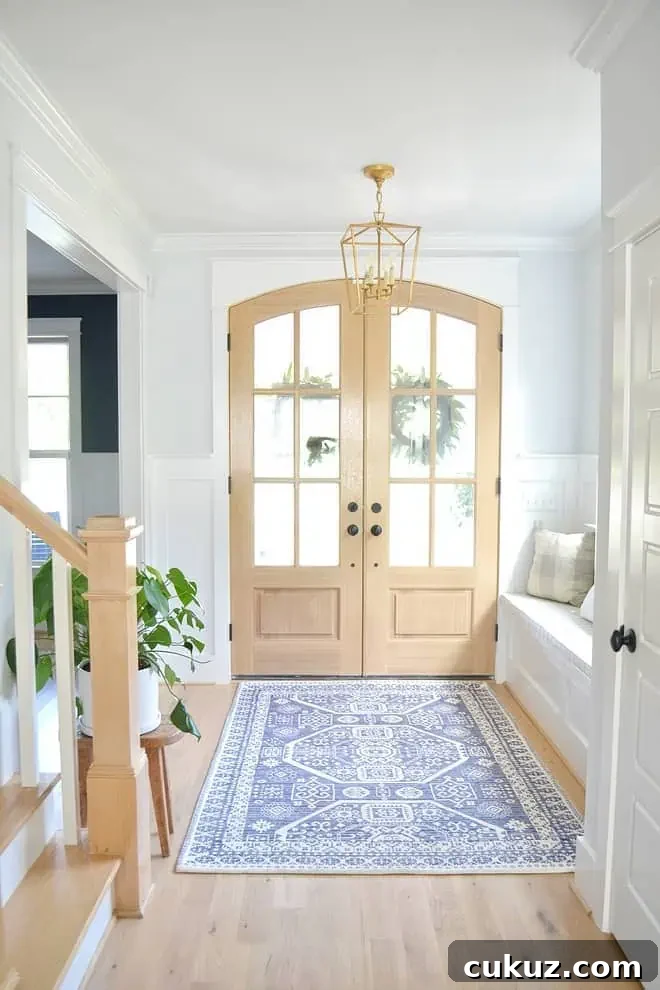
Shop My Entry: Foyer Rug / Lantern
Plank Lengths, Widths, and Wide-Plank Considerations
Plank width and length are more noticeable on lighter floors, so it’s worth paying attention to these specs. In our recent renovation, downstairs planks were from an earlier era and measure 2.5″ wide, while newly installed upstairs planks are 3″ wide. The subtle difference keeps the home cohesive while giving each level a slightly distinct look.
Previously, our new build used 4″ solid white oak planks, considered just above standard. Be cautious about planks wider than 4″ in solid wood, as they’re more prone to buckling and warping. If you want very wide planks, consider engineered hardwood to minimize those risks. Longer lengths tend to look more elegant and flow across a room better than short, choppy boards.
If you have wide plank white oak, I’d love to hear how it’s holding up and where you live—climate affects performance.
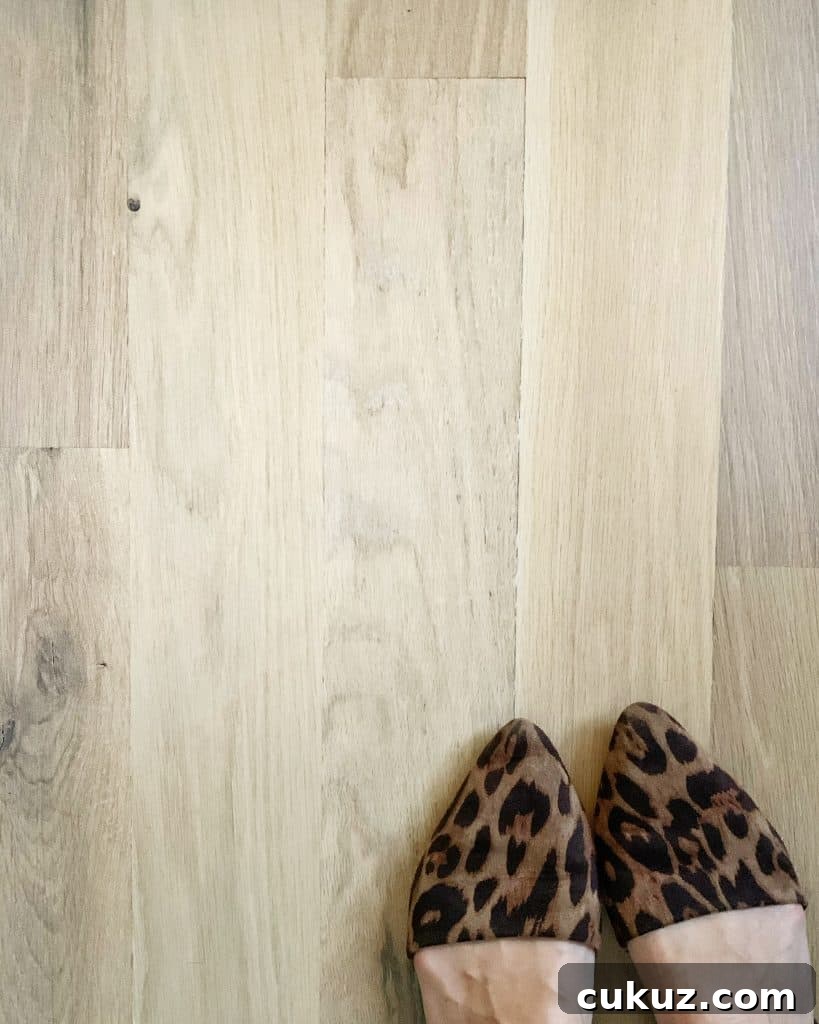
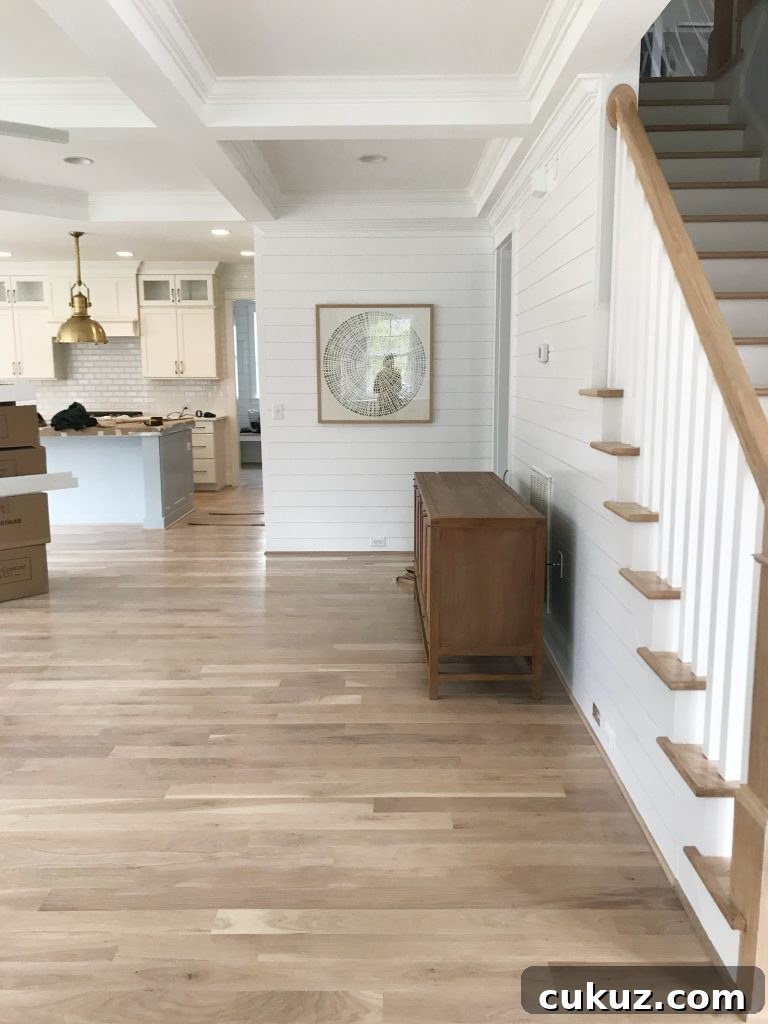
These are our new build hardwoods: solid white oak in a 4″ width from Artisan Flooring, finished on site.
Variation: What to Expect
Pay attention to the listed variation for flooring samples. If a product advertises a “high degree of variation” or “high color variation,” expect a wide range of tones from board to board—sometimes including unexpected tints. For a timeless and cohesive look, choose white oak with low, medium, or natural variation so the floor provides a consistent backdrop for furnishings.
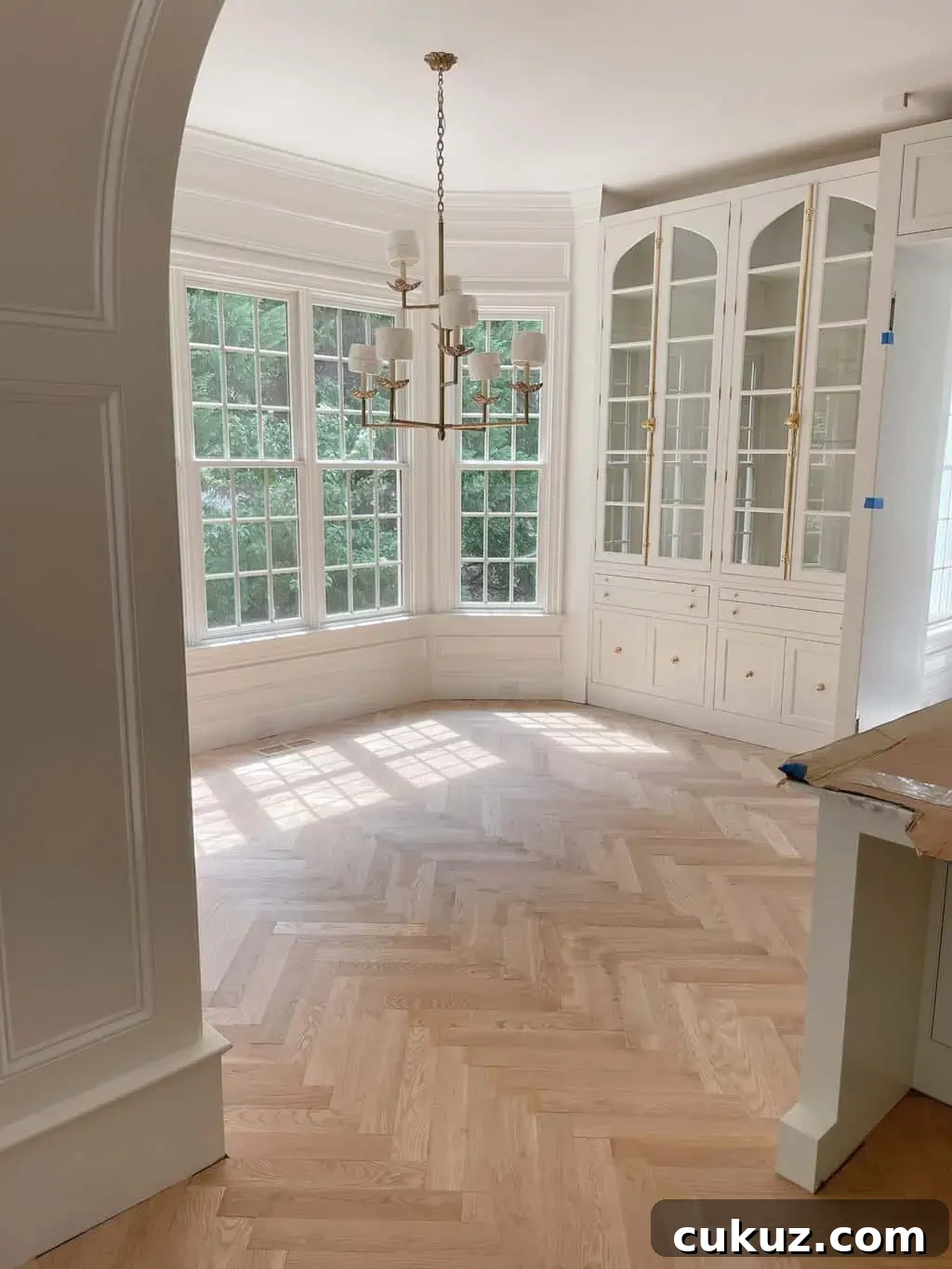
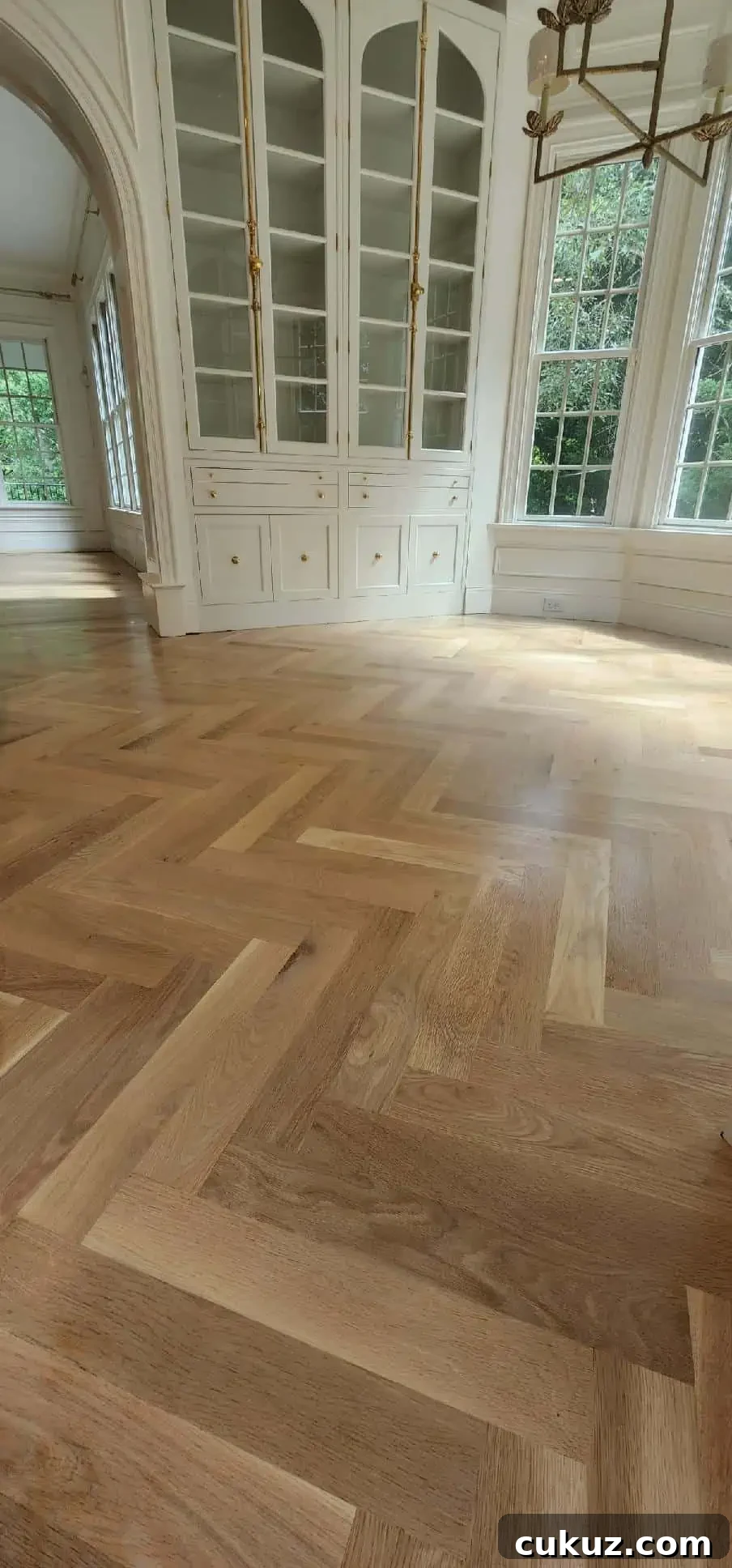
Above: unfinished white oak herringbone in our newly renovated kitchen.
Grades of White Oak Flooring
Flooring grade describes appearance—variation, knots, streaks, and defects—not quality in the sense of durability. The three common grades are:
- Select: uniform color, minimal knots, longer boards, and a cleaner, more refined look.
- #1 Common: some variation in tone, knots, and mixed board lengths for a slightly more character-driven appearance.
- #2 Common: rustic or builder’s grade with pronounced variation, larger knots, worm holes, and shorter boards.
None of these grades is inherently better; they simply reflect different aesthetic preferences and price points. Select and #1 Common typically cost more because fewer boards from the tree meet those stricter appearance standards.
Stains We Tried: Choosing a Timeless Look
(We tested several stain samples in person before committing.)
Duraseal Stains
Our builder recommended Duraseal stains. Duraseal offers a broad color selection and cures more quickly than some other stains. We sampled several options: Weathered Oak (too gray), Classic Gray (felt trendy and likely to date), Neutral (too dark), and Country White (too washed-out and Scandinavian). None matched the natural look we wanted on their own.
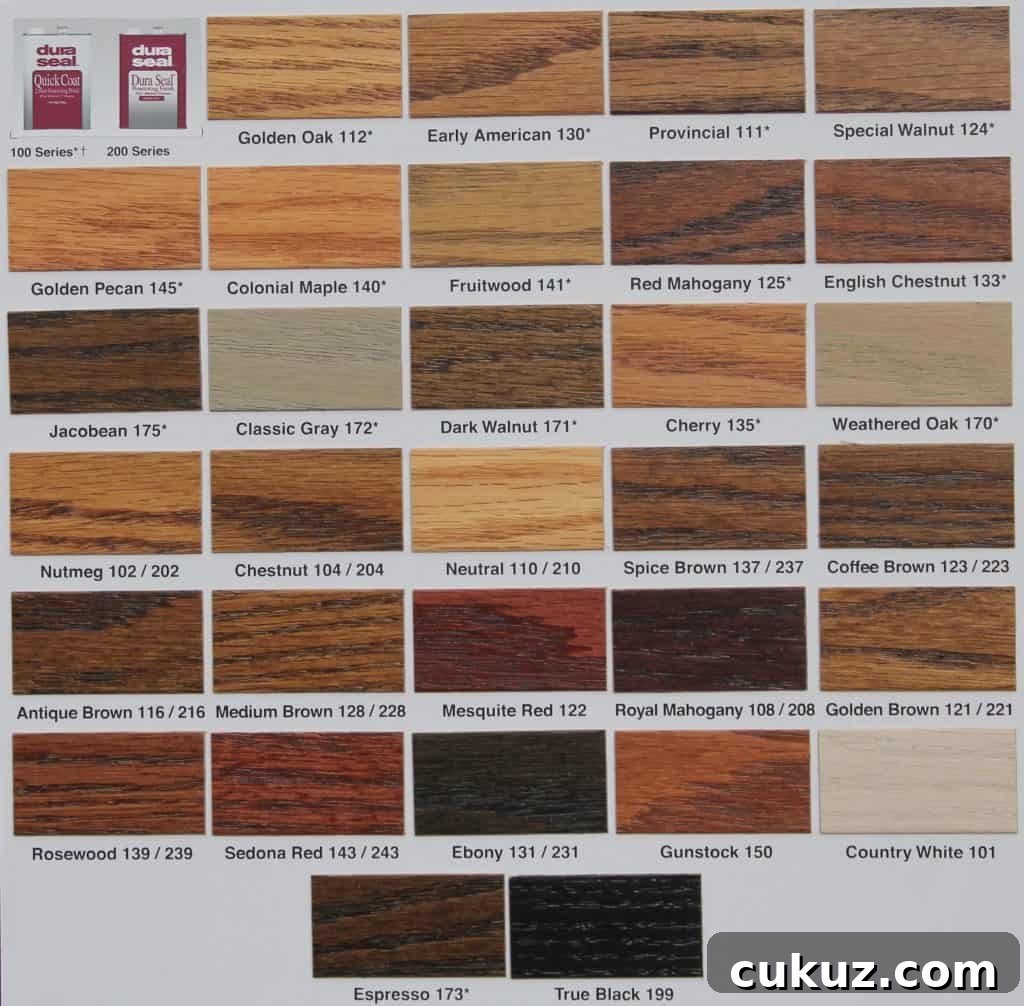
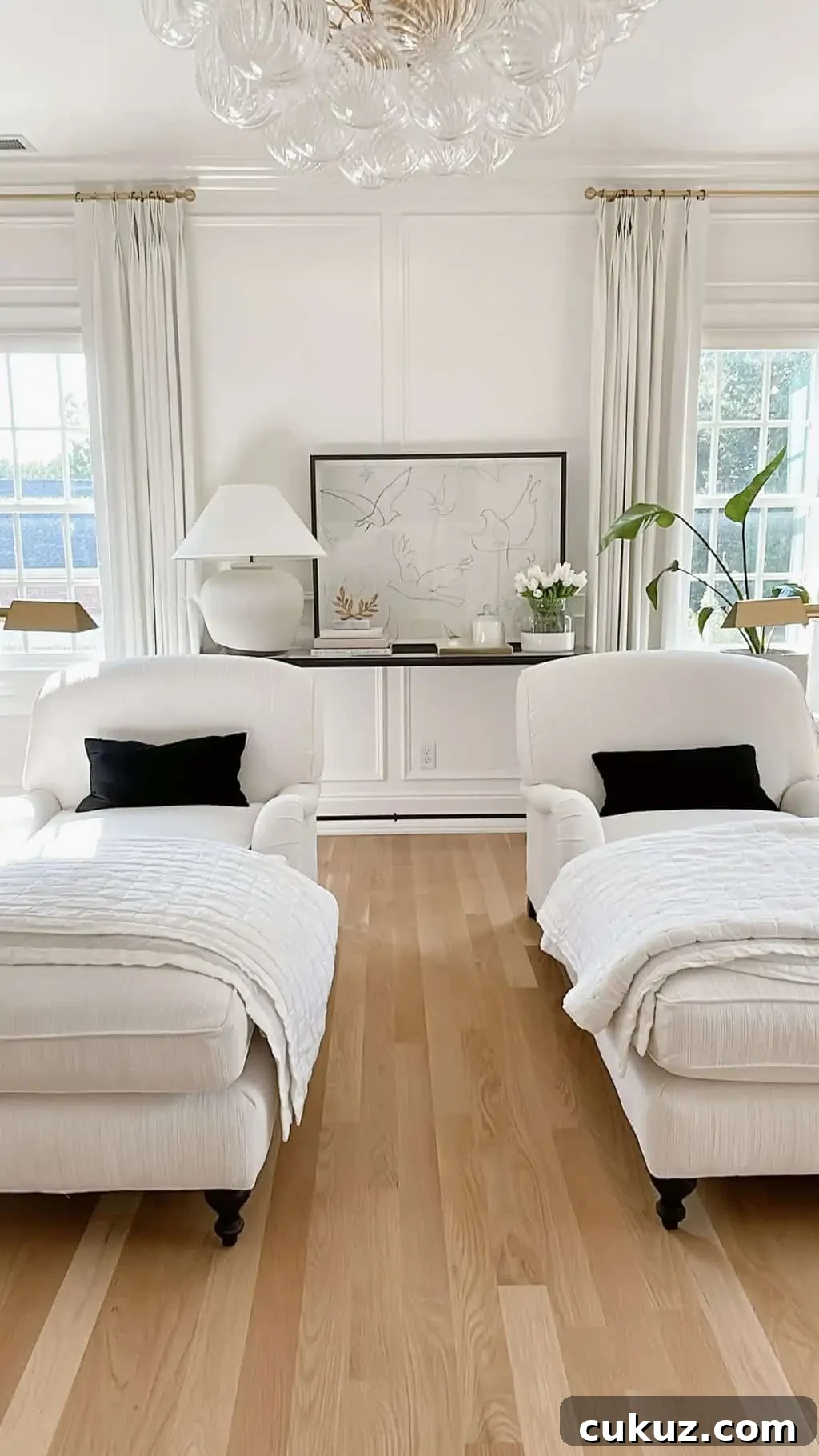
To achieve a warm, natural tone, we blended stains. Our custom mix—half Country White and half Neutral—created the soft, true-to-wood color featured in the new build photos included here.
Going Unstained: White Oak With No Stain
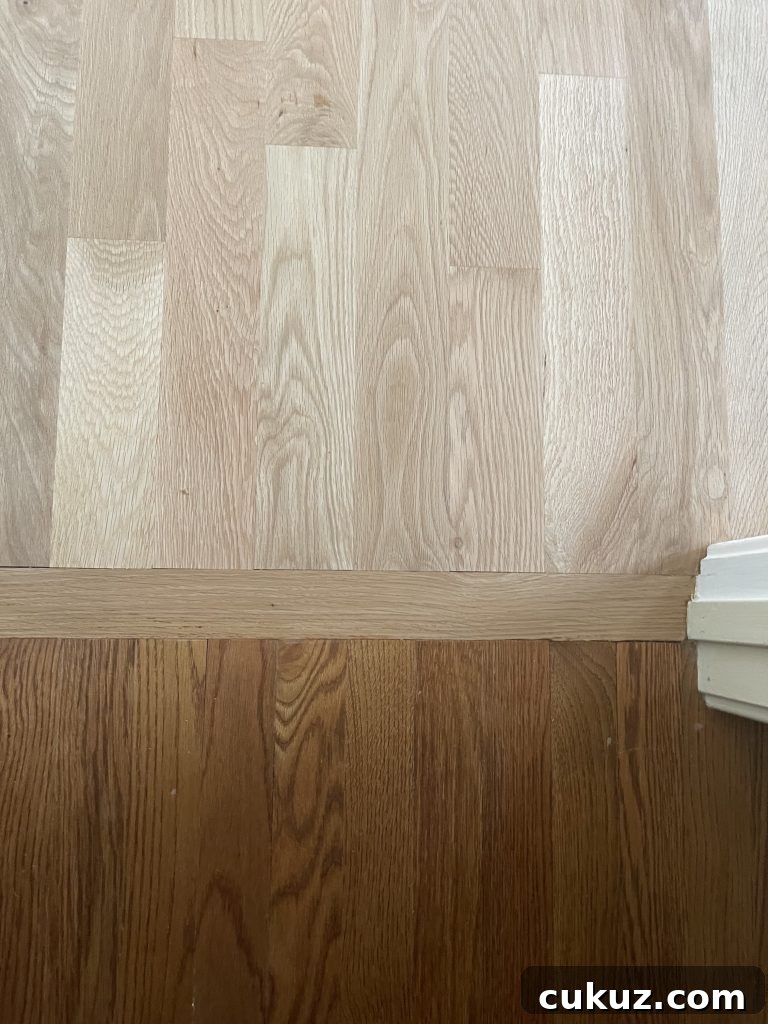
For our current renovation we opted to leave the white oak unstained and instead used a clear protective finish: Bona Natural Seal topped with Bona High Traffic HD. This waterborne finish retains the oak’s natural color while providing excellent protection.
Does white oak need to be stained?
No. Stain is only for color; it does not protect the floor. Sealants and polyurethanes provide protection from spills and wear. A clear sealer may slightly enrich the wood’s color, but it won’t dramatically change it. Choosing to stain is a personal decision based on the look you want and the drying time you’re willing to accept—staining can lengthen the installation timeline.
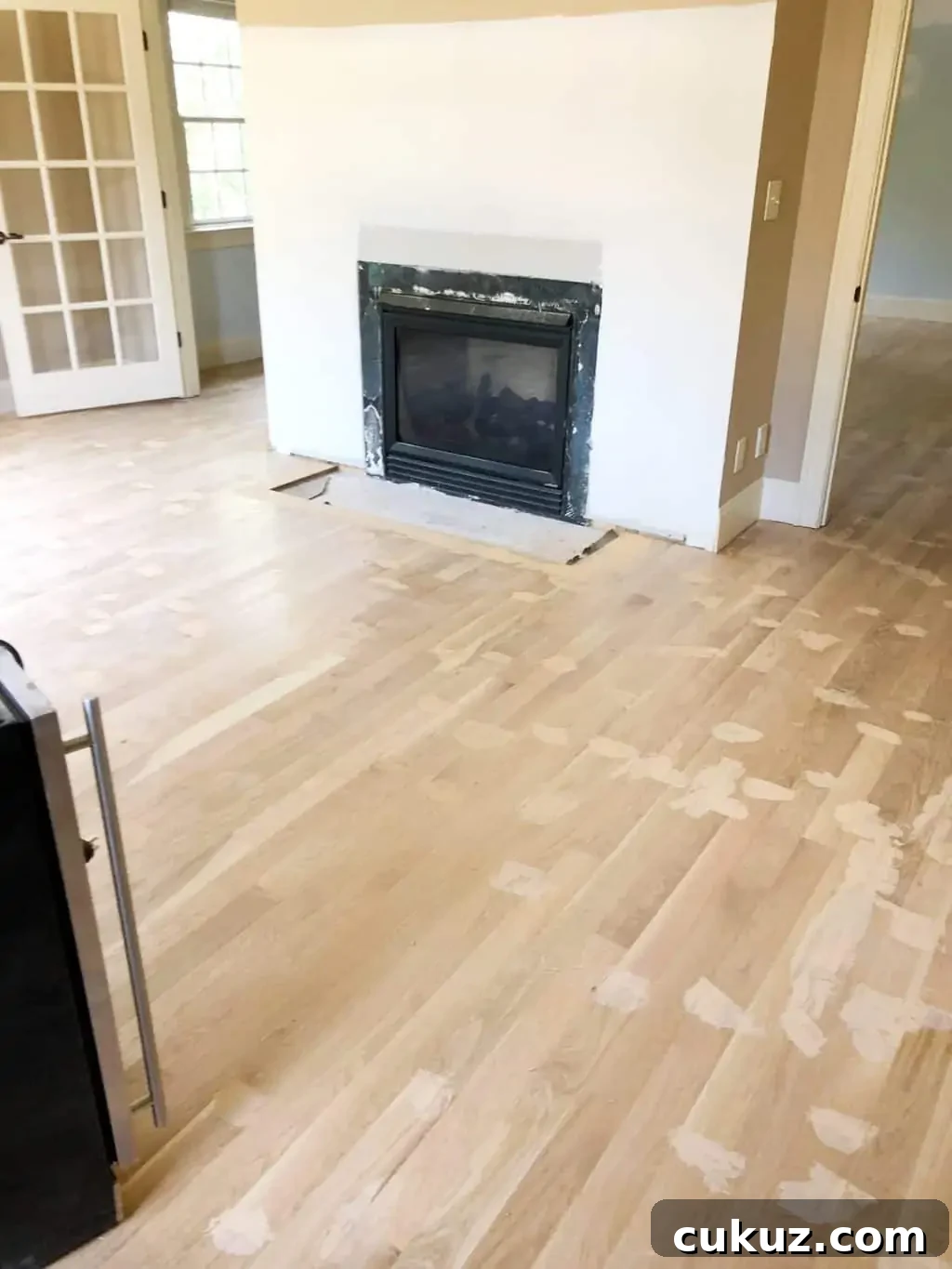
Shown above are freshly installed unstained planks before sanding and finish. When finished with a high-quality waterborne polyurethane the oak’s natural grain and warmth really shine through.
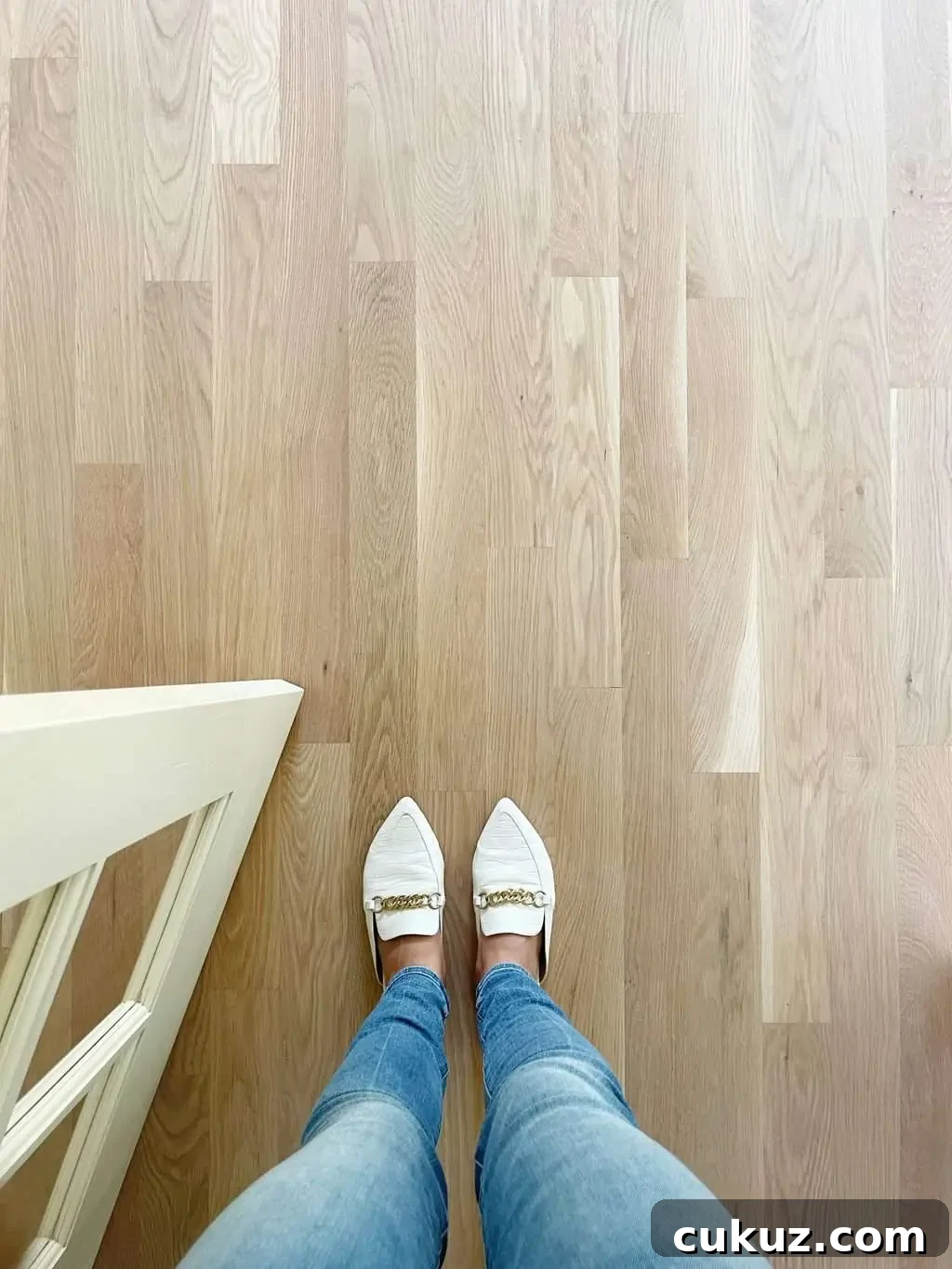
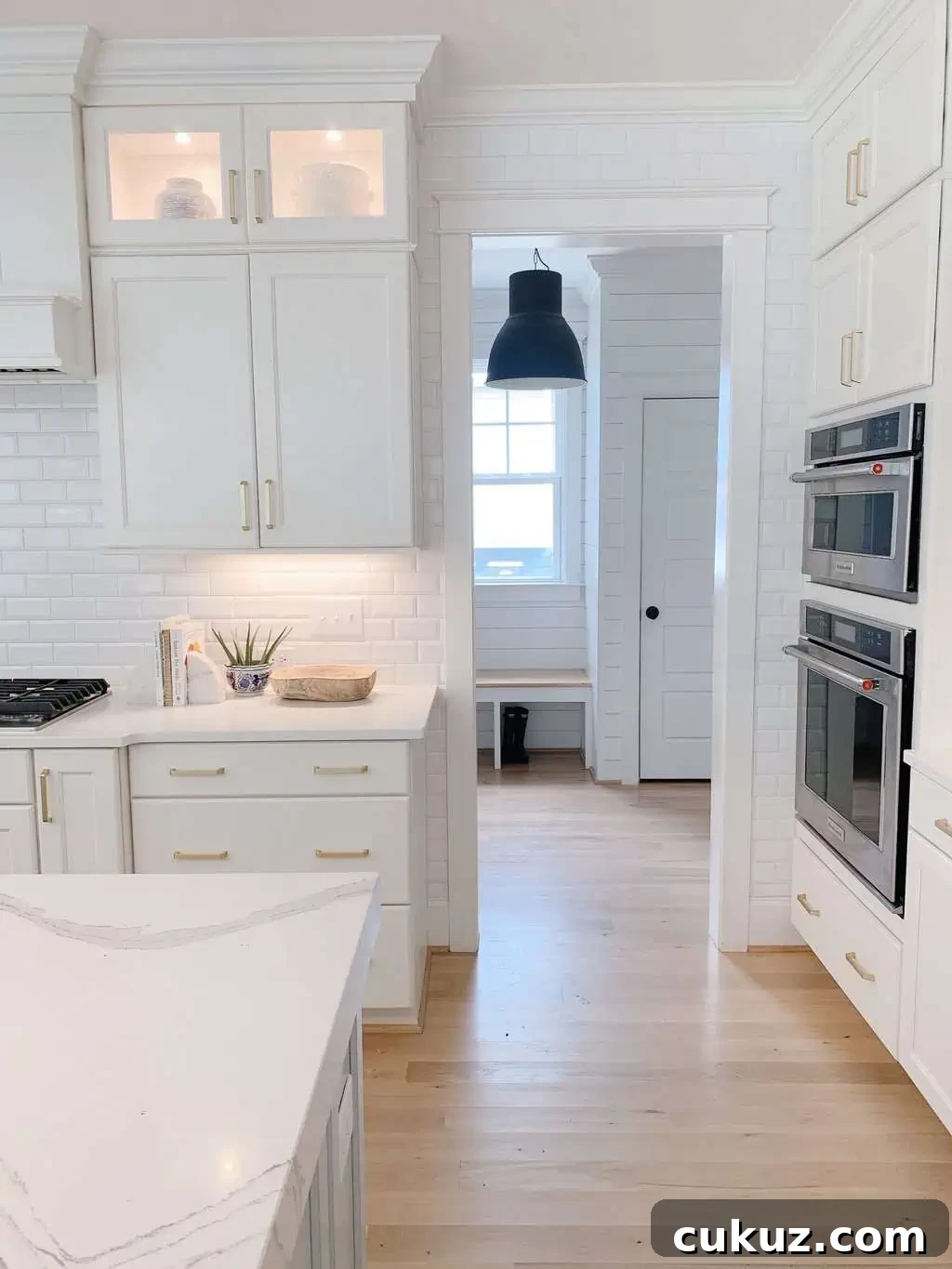
After applying Bona Natural Seal and Bona High Traffic HD, the color deepened slightly in the most flattering way. If you appreciate the natural look of oak, leaving it unstained is a great option.
Stains to Avoid
My biggest recommendation is to avoid gray-based stains for white oak. Gray flooring was a strong trend, but it can feel cold and dated over time. Since flooring is a long-term investment, choose a timeless tone that keeps the room feeling warm and inviting.
Preventing Yellowing
Oil-based polyurethanes can amber and yellow over time, especially in sunlit rooms. That effect is lessened with high-quality waterborne finishes. For our current floors we used Bona Traffic HD, a water-based finish with low VOCs that cures quickly and resists yellowing. We selected a satin sheen because it strikes a balance between matte and glossy and is easier to keep looking clean than ultra-matte finishes.
How We Clean Our White Oak Floors
We vacuum carefully without a beater bar, run a dry microfiber mop as needed, and occasionally use a damp Swiffer for spot cleaning. Our cleaners use a hardwood polish that leaves the house smelling fresh without making floors slippery. Overall, white oak has been easy to maintain in daily family life.

We’ve been very happy with our white oak floors. With furniture pads and reasonable care they’ve held up well despite four kids and a dog. They show life’s small scratches, but the beauty and warmth of real wood outweighs those imperfections.
If you’re installing white oak, work with a reputable installer and test stain samples in the room before committing. If you have questions about our specific finishes or want to share your experiences with white oak floors, I’d love to hear from you.