Pepperoni is one of the most popular cured sausages and arguably the most common pizza topping. Its widespread use leads many to ask whether it fits specific dietary or religious requirements, such as halal.
When preparing food for others, especially for those who follow religious dietary laws, it is important to understand what those rules require and whether a given product complies.
Halal refers to foods that are permitted under Islamic law. If you or someone you serve requires halal food, is pepperoni an acceptable option?
Table of Contents
Is Pepperoni Halal?
Most store-bought pepperoni is not halal because it typically contains pork, which is prohibited in Islamic law. Pepperoni made from other meats—such as beef, turkey, or chicken—can be halal if those meats and the production process meet halal requirements.
What is Halal Food?
Halal describes foods that are permissible according to Islamic law and prepared in line with its guidelines. The term literally means “lawful” or “permitted.” It is the opposite of haram, which denotes what is forbidden.
The concept is similar to kosher in Jewish dietary law: both define allowed foods and specify handling and preparation practices.
When Can Food be Considered Halal?
Determining whether a food is halal generally depends on two main factors: ingredients and the way the food is processed and handled.
1. Ingredients
Foods are not halal if they include ingredients or derivatives prohibited by Islamic law. Commonly forbidden items include:
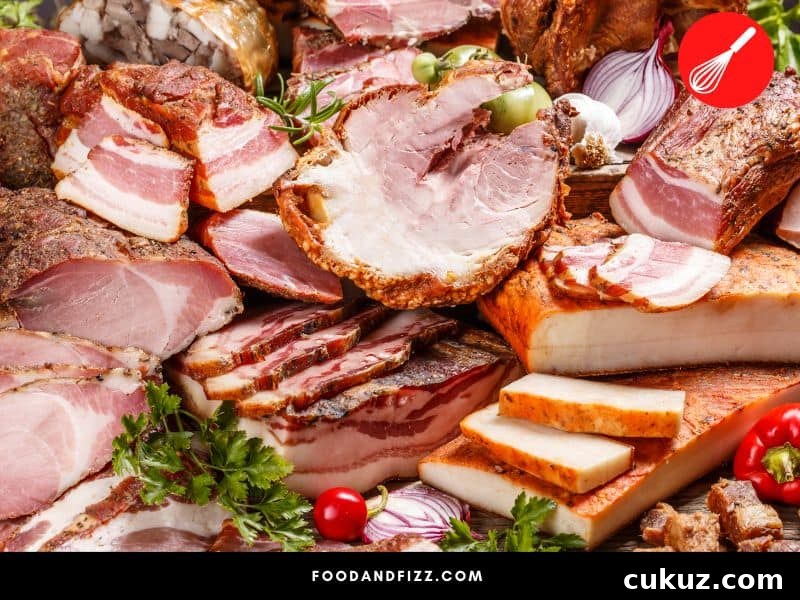
- Pork and pork byproducts (gelatin, certain deli meats, etc.)
- Carnivorous animals and rodents
- Reptiles, amphibians, and most insects
- Birds of prey
- Alcohol
- Blood and its byproducts
Permitted items include properly slaughtered poultry and livestock (chicken, beef, lamb, turkey, etc.), fruits, vegetables, grains, nuts, and other foods that do not contain forbidden ingredients or derivatives. Some dairy and cheese products may be halal if they do not use animal rennet from forbidden sources.
2. Way of Processing and Handling
How meat is slaughtered and how food is handled matters. For meat to be halal, animals should be slaughtered according to Islamic guidelines, which involve a single swift cut to the throat, draining of blood, and a pronouncement invoking God’s name at the time of slaughter. Animals should be healthy and treated humanely prior to slaughter. Any product contaminated by forbidden substances during processing or handling may become non-halal.
Is Pepperoni Halal?
Given the typical composition of pepperoni, standard supermarket varieties are generally not halal because they most often contain pork. Pepperoni made exclusively from permissible meats can be halal if those meats are sourced from halal-certified suppliers and if the entire production chain avoids prohibited ingredients and cross-contamination.
If halal pepperoni is required, buy from halal-certified producers or specialty butchers who can confirm slaughter and processing methods.
What Is Pepperoni Made Of?
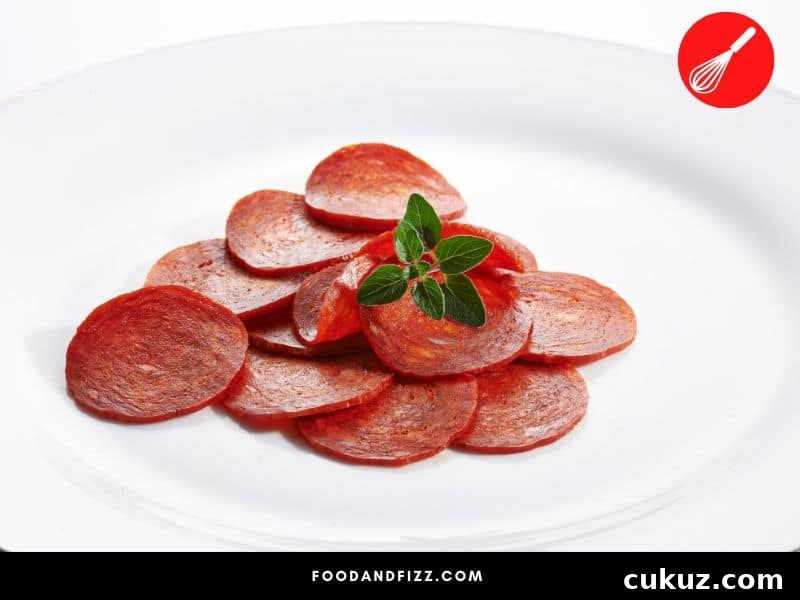
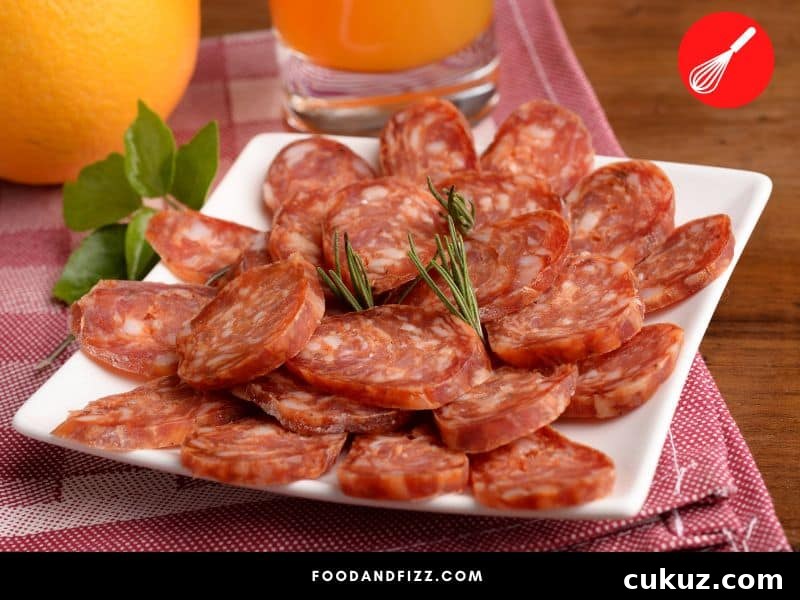
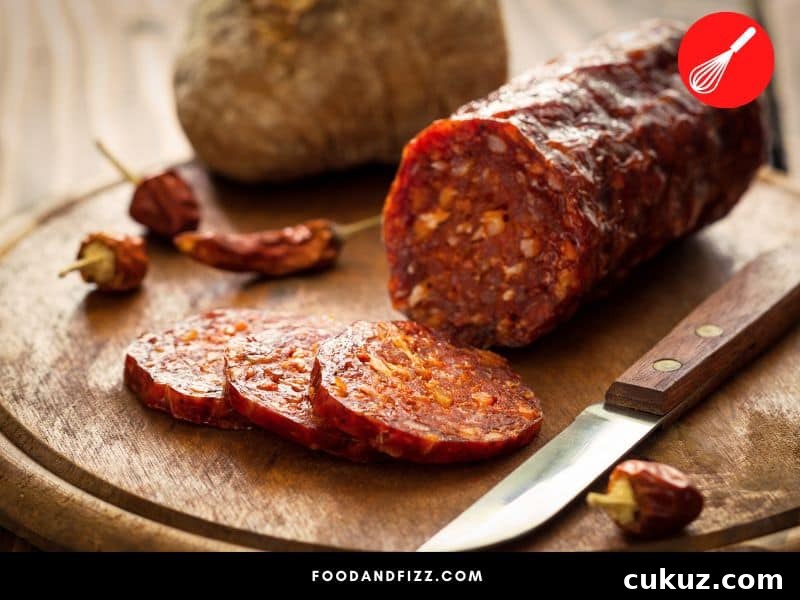
Pepperoni is an American-style, dry-cured and fermented spicy salami typically made from a blend of pork and beef. It gets its flavor from paprika, chili, and other spices. Curing salts and fermentation give it a tangy, salty profile and the characteristic reddish color. Pepperoni is often smoked and can be eaten on its own, as part of a charcuterie board, or as a topping on dishes like pizza.
Can Pepperoni Be Halal?
Yes—pepperoni can be halal if all ingredients and the entire production process comply with halal standards. That means no pork or prohibited derivatives, and the meat used must be from animals slaughtered and processed according to Islamic law. Other components, including spices, curing agents, casings, and any flavorings, must also be free from forbidden substances.
How Do I Know If Pepperoni Is Halal?
To confirm whether pepperoni is halal, follow these steps:
1. Check For a Certification or Label
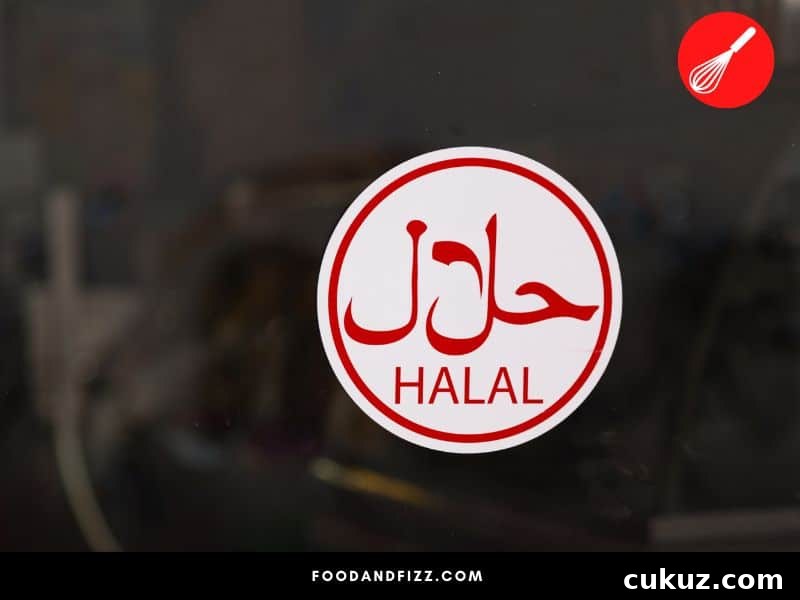
Halal-certified products usually display a recognizable logo from an accreditation body. Look for a clear certification and the name of the certifying organization. Restaurants that serve halal products often display certification on-site.
2. Check the Ingredients
Read the ingredient list to ensure there is no pork, alcohol, or hidden derivatives. Some additives or flavorings may contain alcohol or prohibited animal-derived enzymes, so verify unfamiliar ingredients.
3. Seek Clarification From the Restaurant, Brand or Source of the Product
If information isn’t clear on packaging or menus, ask the manufacturer, retailer, or restaurant for details about the meat source, slaughter method, and ingredient origins. Reputable halal suppliers should provide documentation or clear answers about their processes.
What If I Can’t Find Halal Pepperoni?
If halal pepperoni is not available locally, you have options. Many specialty stores and halal butchers carry halal-certified sausages. Alternatively, you can make pepperoni at home using halal-certified meat and ingredients, giving you complete control over sourcing and preparation.
Home production requires attention to safe curing and fermentation practices, so follow a trusted recipe and food-safety guidelines when preparing cured meats at home.
Frequently Asked Questions
What is Halal Pepperoni Made Of?
Halal pepperoni is made with meat and ingredients that comply with halal requirements. Most often this is beef, but chicken or turkey may also be used, provided the animals were slaughtered and processed according to Islamic law and no forbidden additives are present.
Is Chicken Pepperoni Halal?
Chicken pepperoni can be halal if the chicken is halal-certified and all other ingredients and the processing methods meet halal standards. Verify certification and ingredient lists to be sure.
Conclusion
In summary, regular store-bought pepperoni is usually not halal because it commonly contains pork. However, pepperoni can be halal when made from permissible meats (beef, chicken, turkey, lamb, etc.) that have been slaughtered and processed according to Islamic guidelines and when all ingredients and handling avoid forbidden substances. Always look for clear halal certification, check ingredient lists, and confirm the product’s source when in doubt.