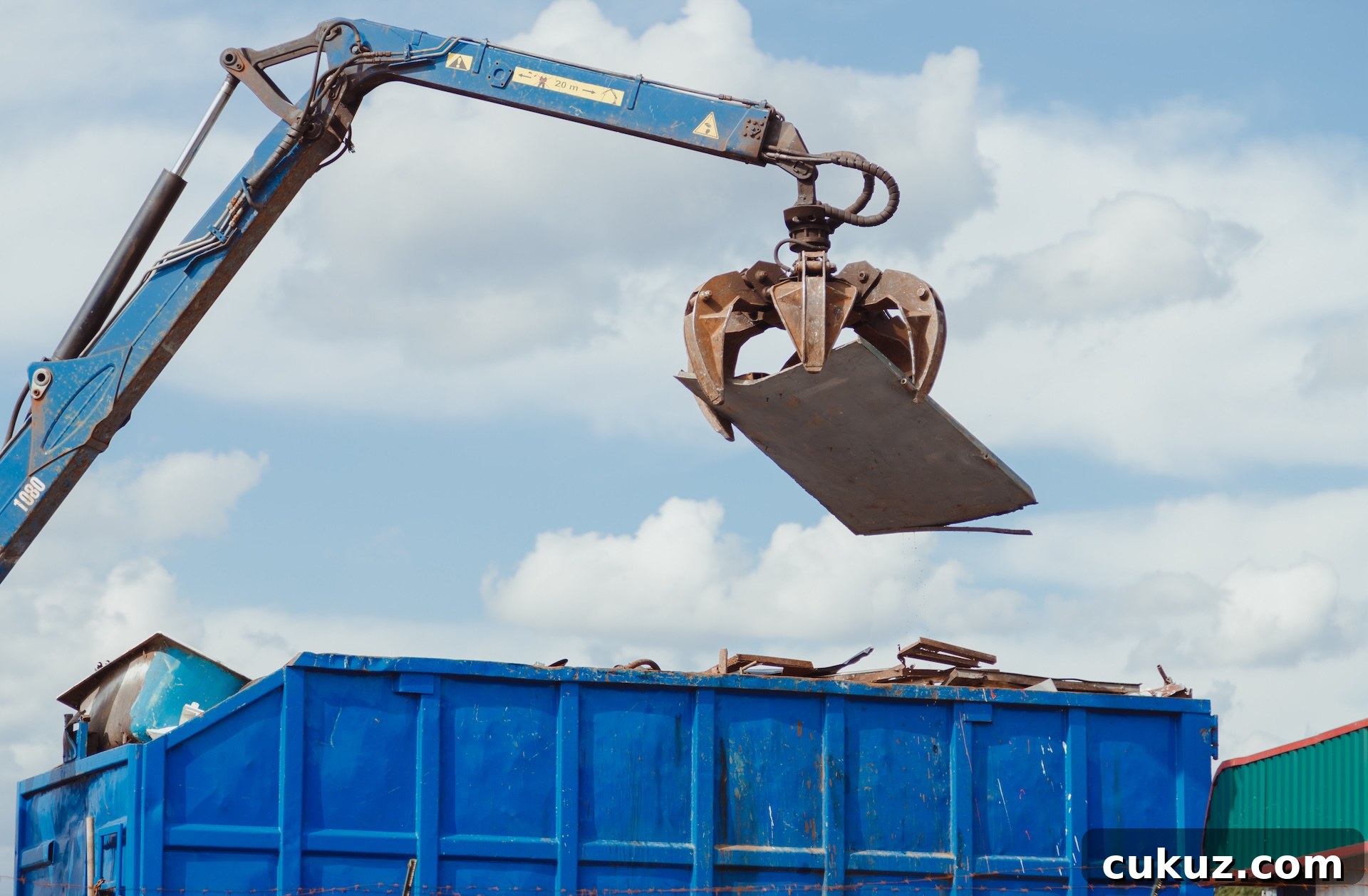
When decluttering, renovating, or managing a construction project, hiring a skip bin is one of the most efficient ways to handle waste. Not all waste can be treated the same: some materials are suitable for skip disposal, while others require special handling. Knowing what you can and can’t place in a skip bin helps you follow regulations, avoid extra fees, and dispose of waste in an environmentally responsible way.
This guide explains the types of waste commonly accepted in skip bins, items that are prohibited, and how skip bin services can support proper waste management.
1. What Can You Put in a Skip Bin?
Skip bins accept a wide range of materials, although accepted items depend on the bin type you hire. Below are common categories and examples:
A. General Waste
General waste skips are intended for non-hazardous household and commercial refuse, such as:
- Furniture (wooden chairs, tables, cabinets)
- Clothing and textiles (clean and uncontaminated)
- Toys and small household appliances
- Packaging materials (cardboard, many plastics, and some foam packaging)
- Mixed debris from home cleanouts
Note: Some providers restrict certain foams or packing materials, so check with the company before hiring.
B. Green Waste
Green waste bins are designed for garden and landscaping material, including:
- Grass clippings
- Tree branches and leaves
- Weeds and plant prunings
- Small logs of untreated wood
Soil, large stumps, and rocks are often prohibited or require a separate bin.
C. Construction and Demolition Waste
For renovations and building work, heavier-duty skips take:
- Bricks and concrete
- Tiles and ceramics
- Timber and plasterboard
- Rubble and sand
Some providers offer separate clean-fill containers for uncontaminated concrete and soil.
D. Heavy (Inert) Materials
Inert waste skips handle dense, non-biodegradable items, for example:
- Bricks and paving
- Concrete
- Rocks and gravel
- Pavers
Because these materials are heavy, companies usually enforce weight limits and may charge more for dense loads.
2. What Can’t You Put in a Skip Bin?
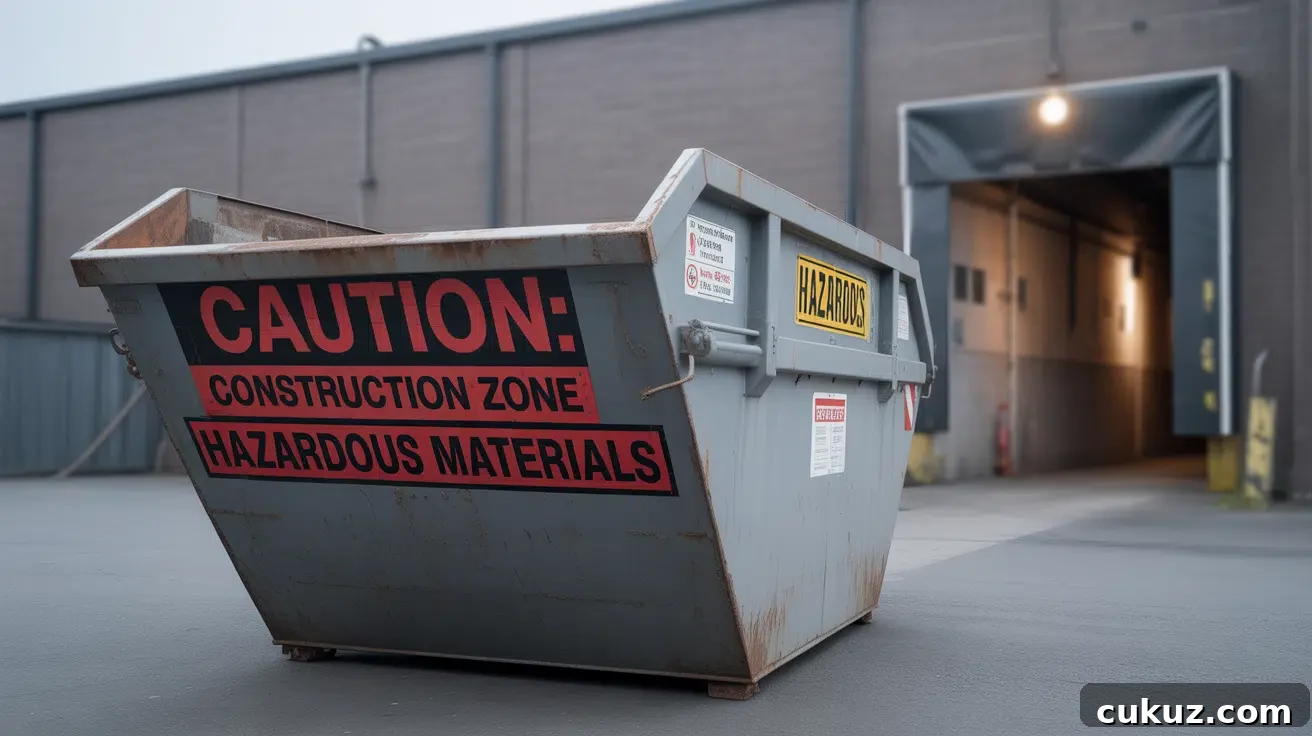
Some items are prohibited due to safety, environmental risk, or the need for specialized disposal. Adding restricted materials can lead to additional charges, refusal to collect the bin, or legal penalties.
A. Hazardous Waste
Hazardous materials require specialist handling and disposal:
- Asbestos (must be removed by licensed professionals)
- Chemicals such as paints, solvents, pesticides, and certain cleaning agents
- Batteries, including vehicle and lithium-ion types
- Oils and fuels (engine oil, petrol, diesel)
- Medical waste such as syringes and pharmaceuticals
B. Electronic Waste (E-Waste)
Electronics contain hazardous substances and recoverable materials, so they should be recycled separately:
- Televisions and monitors
- Computers and laptops
- Refrigeration units and air conditioners (contain refrigerants)
- Mobile phones and battery packs
Many councils and recycling centers accept e-waste at designated drop-off points.
C. Tyres
Tyres are often banned from landfill because they are non-biodegradable and pose fire risks; they require specialised recycling channels.
D. Gas Cylinders and Fire Extinguishers
Pressurised containers can explode and must be returned to suppliers or taken to designated facilities for safe disposal.
E. Large Amounts of Food Waste
Bulk food waste attracts pests and creates strong odours. Composting or organic waste services are usually the better option.
F. Mattresses and Some Bedding
Mattresses can be difficult to recycle and may require separate collection or specialized recycling programs; check local options.
3. Why Are Some Items Prohibited?
Restrictions exist for clear reasons:
- Environmental protection — Hazardous substances can contaminate soil and water.
- Worker safety — Materials like asbestos, sharps, and flammables endanger handlers.
- Legal compliance — Governments regulate disposal of toxic and hazardous waste.
- Recycling potential — Items such as e-waste, tyres, and mattresses are better diverted to specialist recycling processes.
Placing prohibited items in a skip bin can result in extra sorting fees, refused collection, or fines for illegal dumping.
4. How Skip Bin Hire Services Help with Proper Waste Disposal
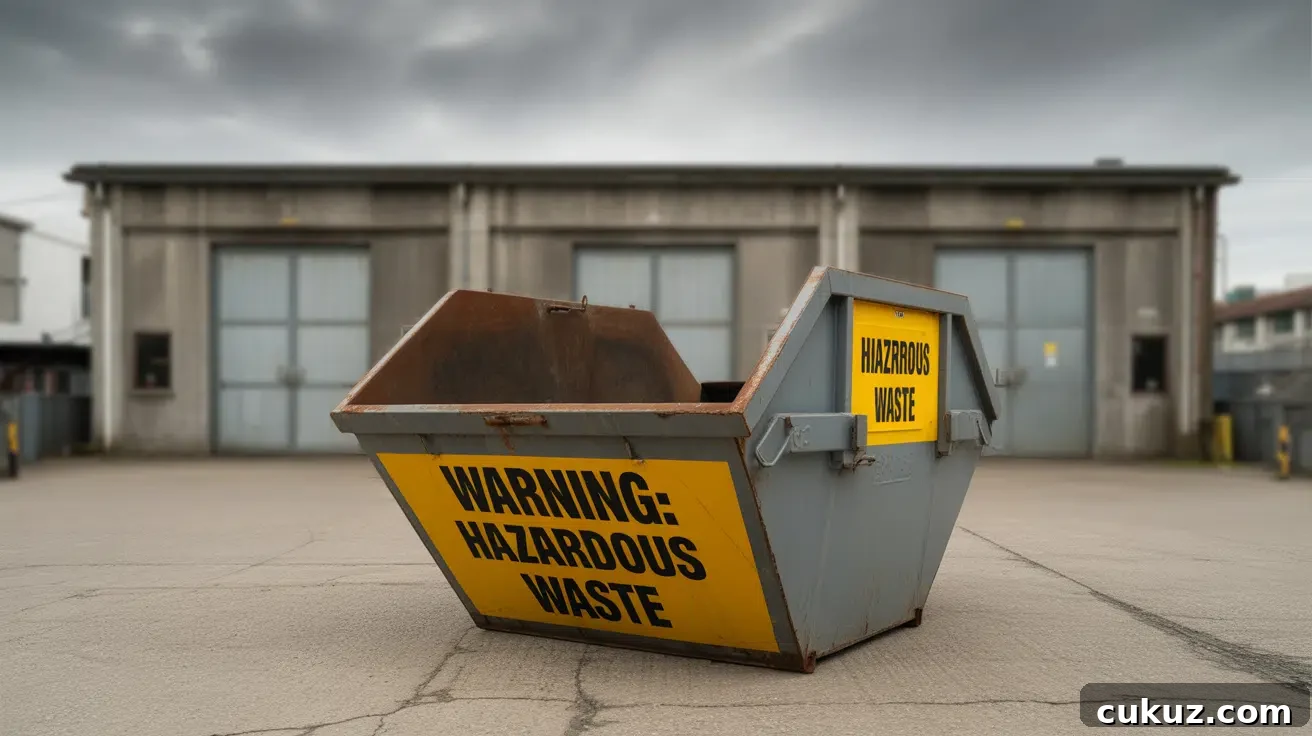
Reputable skip bin providers support responsible waste management by offering suitable bin types and clear guidance:
A. Offering Different Bin Types
- Mixed waste skips for general household and light building debris.
- Clean fill skips for uncontaminated soil, sand, and concrete.
- Green waste skips for garden debris and vegetation.
B. Providing Clear Guidelines
Quality providers inform customers up front about acceptable and prohibited materials to prevent problems at collection time.
C. Partnering with Recycling Facilities
Many companies sort collected waste and work with recycling partners to reduce landfill and recover materials.
D. Handling Special Waste
Some firms arrange licensed removal for hazardous materials, like asbestos, for an additional fee or via subcontractors.
5. Tips for Efficient Skip Bin Use
Follow these tips to get the best value and avoid issues:
- Sort waste before loading — separate recyclables, green waste, and general rubbish.
- Avoid overfilling — most bins must be closed for safe transport.
- Check weight limits — heavy materials may need a specific heavy-duty skip.
- Ask about restricted items — if unsure, confirm with the provider before placing materials in the bin.
6. Alternatives for Prohibited Waste
If your items are not allowed in a skip bin, consider these alternatives:
- Council hard rubbish collections — many local authorities offer scheduled pickups for bulky items.
- Specialised recycling programs — e-waste, tyres, and chemical products often have dedicated drop-off locations.
- Licensed hazardous waste facilities — use these for items like asbestos, certain chemicals, and contaminated materials.
Conclusion: Skip Smart, Dispose Right
Choosing the right skip bin and avoiding prohibited items makes disposal safer, more affordable, and more environmentally responsible. Whether you’re renovating, clearing out a garden, or managing a commercial project, check the types of bins available and follow your provider’s guidelines. When in doubt, seek alternative disposal channels for hazardous or specialist materials to protect people and the environment.